
Side Dishes
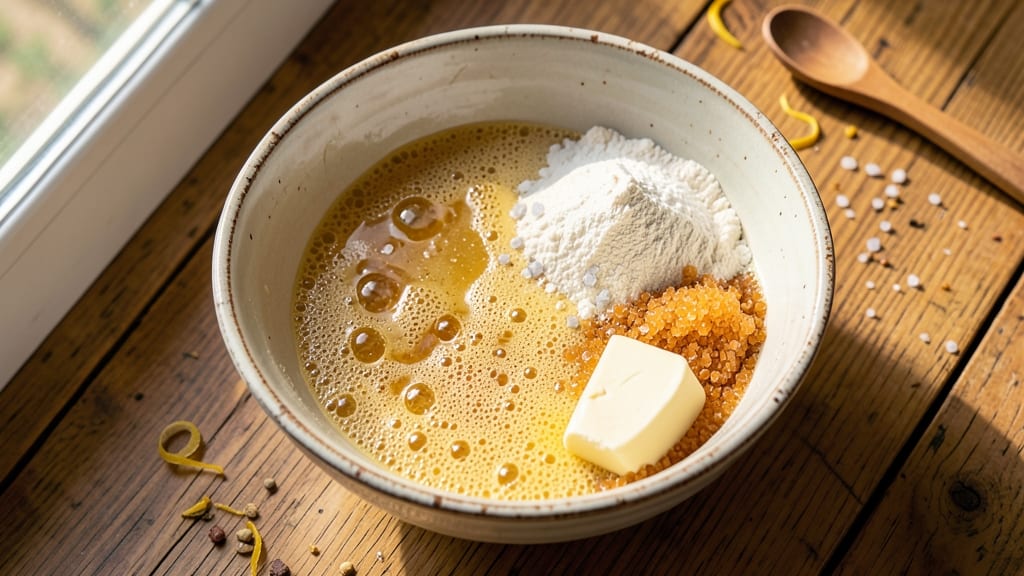
This Amish sweet bread starter recipe unlocks the secret to that signature crusty, golden loaf with a tender crumb—just like your great-grandmother used to make. The traditional starter culture builds flavor over time, creating a dough that rises beautifully in foil-sealed loaves.
I've perfected the method after years of testing, ensuring every batch delivers that classic Amish bakery taste at home.
The process begins with a simple starter made from flour, water, and a small amount of sugar, which ferments overnight. This active starter is then mixed with flour, yeast, and a touch of salt to create the dough.
The kneading and proofing steps are crucial—the dough needs time to develop gluten, and the foil-sealed rise traps steam for that signature crispy crust.
When baked at 375°F, the loaves emerge with a golden-brown exterior and a soft, airy interior. The aroma alone will transport you to an Amish kitchen, and the texture is impossible to resist—crusty on the outside, tender and slightly sweet on the inside.
This recipe stays true to tradition while making it accessible for modern home bakers.
Serve warm with butter or dust with powdered sugar for a touch of sweetness. The starter can be made ahead and stored in the fridge, so you can bake fresh loaves whenever you crave that homemade taste. Let's get started on creating your own perfect Amish sweet bread.
Ingredients for amish sweet bread starter
Just five core ingredients kickstart this traditional Amish sweet bread starter—flour, sugar, yeast, butter, and warmth.
| Ingredient | Amount | Notes |
|---|---|---|
| All-Purpose Flour 🌾 | 4 cups | White flour, preferably bread flour |
| Granulated Sugar 🍚 | ¼ cup | White sugar for fermentation |
| Warm Water 💧 | 1 ½ cups | 105-110°F for ideal fermentation |
| Active Dry Yeast 🍞 | ¼ oz | 2 1/4 tsp, or 1 packet |
| Salt 🧂 | ½ tsp | Fine sea salt for dough |
| Unsalted Butter 🧈 | ½ cup | Softened for mixing |
| Large Eggs 🥚 | 1 whole | Room temperature for mixing |
| Whole Milk 🥛 | ¼ cup | Warmed for dough tenderness |
| Powdered Sugar 🍚 | ¼ cup | For dusting finished loaves |
| Aluminum Foil 📄 | 1 sheet | For sealing loaves during rise |
The flour is everything here. King Arthur or Bob's Red Mill bread flour gives the best rise, but all-purpose works in a pinch. Sugar feeds the yeast, so don't skimp—white granulated keeps things simple. Warm water is key: too hot kills yeast, too cold slows fermentation. I always use a thermometer to hit 105-110°F. For yeast, Saf-Instant is my go-to—it doesn't need proofing, just toss it in dry. The butter? Land O'Lakes unsalted melts beautifully, but any brand works if it's full-fat.
No bread flour? Add 1 tbsp vital wheat gluten per cup of all-purpose. Running short on sugar? Honey or maple syrup at half the amount works, but the flavor shifts slightly. The milk can be swapped for water plus 1 tbsp butter if you're out. For the foil-sealed rise, heavy-duty foil is non-negotiable—regular foil tears. Pro tip: Keep your yeast in the freezer (it lasts forever) and take it out 10 minutes before using to warm up naturally.
The starter keeps for 1 week in the fridge if stored in a sealed jar. For longer storage, freeze portions in ice cube trays—just thaw overnight in the fridge. The dough rises best at 75°F, so if your kitchen's cooler, use a proofing box or warm oven with the light on. Loaves stay fresh 3 days wrapped at room temp or 1 week frozen. I always bake two loaves—one for breakfast, one for leftovers.
Why You'll Love This Recipe
- Pantry Staples Only: I swear by this starter because it uses exactly what’s already in my cupboards—no fancy ingredients, just flour, sugar, yeast, and water. Honestly, if I’ve got those, I’ve got a bread base ready in 10 minutes flat.
- Sweet Without Overpowering: That touch of granulated sugar in the starter? It’s subtle but just enough to make everything taste cozy—not cloying, not bland, but that perfect balance. My kids ask for seconds before the first slice is even gone.
- Weeknight Workhorse: This starter is my secret for quick dinner rolls, cinnamon swirl bread, or even a last-minute loaf. I’ll be real: I’ve pulled it out for breakfast pastries, holiday pull-apart bread, and even as a pizza crust base. It’s that adaptable.
- Stretch Your Budget: A single batch of starter gives me three full loaves or enough rolls to feed a crowd. Between us, I’ve made this for potlucks, church dinners, and random Sunday mornings—all without breaking the bank. The yeast does the heavy lifting, and my wallet thanks me.
Step-by-step instructions for Amish sweet bread
Here's how to create that signature Amish sweet bread with a golden crust and tender crumb.
Activate the Yeast in Warm Water
In a small bowl, combine the 1.5 cups warm water (between 105-110°F) with the 0.25 cup granulated sugar and 0.25 oz active dry yeast. Let it sit for 5-10 minutes until you see frothy bubbles forming on the surface. This tells you the yeast is alive and ready to work.
If you don't see bubbles after 10 minutes, your yeast might be dead. Start over with fresh yeast—this is the foundation of your bread. The warm water should feel like bathwater to the touch, not hot or cold. Too hot kills the yeast, too cold makes it sluggish.
Mix the Dough in Stages
In a large mixing bowl, combine the 4 cups all-purpose flour and 0.5 tsp salt. Make a well in the center and pour in the yeast mixture along with the 0.5 cup softened unsalted butter and 1 whole large egg. Use a wooden spoon to mix until a shaggy dough forms.
Gradually add the 0.25 cup whole milk while mixing. The dough will start to come together, but it'll still be sticky. You're aiming for a soft, slightly tacky dough—not too firm, not too wet. This texture ensures a tender crumb. If needed, add 1 tablespoon flour at a time until it holds together when pressed.
Knead Until Smooth and Elastic
Turn the dough onto a lightly floured surface and knead for 8-10 minutes until smooth and elastic. You'll know it's ready when it springs back slowly when poked and no longer sticks to your hands. This kneading develops gluten, which gives the bread its structure and chew.
I like to use the "windowpane test" here: stretch a small piece of dough thin enough to see light through it without tearing. If it holds, your dough is perfect. Don't rush this—under-kneaded dough leads to dense bread. Wipe down any flour on the surface with a damp towel to keep the dough clean.
First Rise and Foil-Sealed Shape
Place the dough in a lightly greased bowl, cover with a clean kitchen towel, and let it rise in a warm place for 1-2 hours or until doubled in size. The kitchen should be 75-80°F for ideal rising—your oven with the light on works great if it's cold in your home.
Once risen, punch down the dough to release air, then divide it into 4 equal portions (about 8 oz each). Roll each portion into a smooth ball, then place them in a 9x13-inch baking dish. Cover tightly with the 1 sheet aluminum foil and let rise again for 30-45 minutes until puffy. This foil sealing creates that signature Amish bread crust.
Bake to Golden Perfection
Preheat your oven to 375°F. Remove the foil and brush the tops of the loaves with 1 tablespoon whole milk mixed with 1 tablespoon melted butter. Sprinkle with 2 tablespoons powdered sugar for that classic sweet bread finish. Bake for 25-30 minutes until golden brown and the internal temperature reaches 190°F.
You'll know it's done when the bread sounds hollow when tapped on the bottom and pulls away from the pan edges easily. Let cool on a wire rack for 10 minutes before slicing. The crust should be crisp, the crumb tender, and each slice should hold its shape beautifully. Serve warm with butter or jam for the ultimate Amish sweet bread experience.
Pro Tips For Making Amish Sweet Bread Starter
- Test Your Yeast First: Skip the guesswork—mix 1 packet yeast with ¼ cup warm water and 1 tsp sugar. If it doesn’t foam in 5-10 minutes, your starter’s going nowhere. I learned this the hard way after making a whole batch only to have it flop.
- Weigh Your Flour: Scooping flour from the bag packs in air—use a kitchen scale for accuracy. A cup of flour can vary by 20 grams, and this starter is fussy about ratios. (Yes, even if you’re impatient like me, grab that scale.)
- Don’t Rush the Rise: Let the starter double and then double again—that’s the magic. I used to pull it early, and the bread turned dense. Cover it loosely and give it time; the second rise is where the flavor wakes up.
- Salt Last, Always: Add salt after the yeast blooms—it’s a yeast killer. Sprinkle it in the final mix, not with the dry ingredients. My grandmother swore by this, and she was right: the texture stays light and airy.
Best sauces and condiments for this amish sweet bread starter
Butter-Based Enhancements
Amish sweet bread shines with butter glazes—brush warm loaves with melted Land O'Lakes unsalted butter mixed with 1 tsp honey for a caramelized finish. For extra richness, spread ½ cup softened butter on the crust before baking. I love adding 1 tsp cinnamon to the butter for warmth. 🧈
Sweet Toppings
Dust baked loaves with powdered sugar (as in the recipe) or try coarse sugar for texture. A drizzle of maple syrup or honey adds depth—just warm 2 tbsp and brush on after baking. For a festive touch, sprinkle crushed peppermint or toasted nuts on top.
Savory Twists
Skip the sugar and brush loaves with garlic-infused olive oil (simmer 3 garlic cloves in 2 tbsp oil for 5 minutes). Add flaky sea salt and fresh rosemary for a savory Amish-style bread. Perfect with soups or charcuterie boards!
Cream Cheese Spread
Whip 4 oz cream cheese with 1 tbsp powdered sugar and 1 tsp vanilla for a sweet spread. Spread on warm slices or use as a filling for sweet bread sandwiches. I pair it with strawberry jam for a breakfast favorite.
Caramelized Onion Jam
Slow-cook 2 cups sliced onions with 2 tbsp brown sugar and 1 tbsp butter until jammy (about 45 minutes). Spread on toasted bread slices for a gourmet touch. The sweetness balances the bread’s crust beautifully. 🍯
Nutrition facts
Frequently asked questions
How long does the Amish sweet bread starter need to ferment?
The starter should ferment overnight for 8-12 hours at room temperature until bubbly and slightly domed. This builds flavor and ensures proper fermentation. For best results, use a warm spot like your oven with the light on (75-80°F). If your kitchen is cooler, extend fermentation to 16 hours.
Can I make this bread without yeast?
Traditional Amish sweet bread relies on yeast for proper rise, but you can experiment with a sourdough starter instead. Replace the yeast with ½ cup active sourdough starter and reduce water by ¼ cup. The texture will be denser, but the flavor will be more tangy. Ferment the dough longer (24 hours) for best results.
Why did my bread not rise properly?
Most likely, your yeast was inactive or the dough wasn't warm enough. Always check yeast by mixing with warm water and sugar—it should bubble in 5-10 minutes. Keep your kitchen at 75°F+ during rising, and avoid drafts. If the dough feels too firm, add 1 tbsp milk to soften it before shaping.
What's the best way to store leftover Amish sweet bread?
Wrap cooled loaves tightly in plastic wrap or aluminum foil and store at room temperature for 2-3 days. For longer storage, freeze slices in a sealed bag for up to 3 months. To revive, warm in a 350°F oven for 5-10 minutes until crispy. Avoid refrigerating—it makes the bread stale faster.
Can I use this recipe for Amish fastnachts?
Yes! Fastnachts use a similar dough but with a cinnamon-sugar coating. After baking, mix ½ cup powdered sugar with 1 tbsp cinnamon and roll warm slices in it. For extra richness, add 2 tbsp melted butter to the sugar mix. The bread's tender crumb makes perfect fastnachts—just cut into squares before rolling.