
Side Dishes
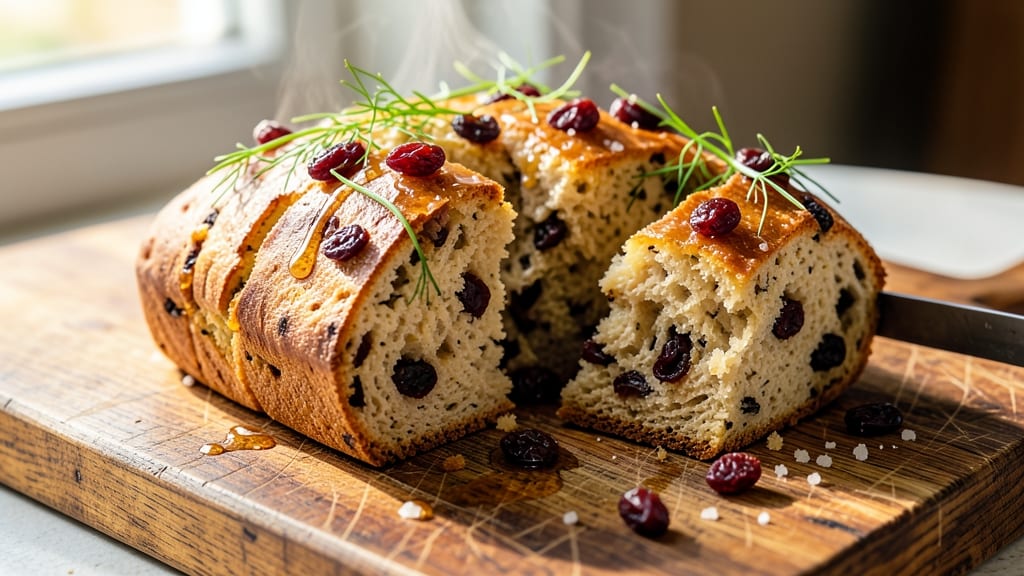
This Amy's raisin fennel bread recipe delivers a loaf with a warm, anise-kissed crust and chewy raisin swirls that make every slice irresistible. 🌟 The fennel seeds infuse the dough with subtle licorice warmth, while plump raisins add bursts of sweetness that balance the bread's rustic texture.
What sets this apart is the perfect harmony of savory and sweet—ideal for breakfast, sandwiches, or as a showstopping side.
The recipe begins with a simple dough enriched with honey and butter, creating a tender crumb that stays moist for days. Fennel seeds are toasted lightly to deepen their flavor before being mixed into the dough, while raisins are soaked in warm water to plump them up.
This preparation ensures each bite delivers that signature anise-kissed aroma and chewy fruit contrast.
Baking at 350°F yields a golden crust with a crisp exterior and soft, airy interior—just like a bakery loaf. The raisins caramelize slightly, intensifying their sweetness, while the fennel's earthy notes linger on the palate.
Whether you serve it warm with butter or toasted for breakfast, this bread is a crowd-pleaser that elevates any meal.
For extra depth, consider adding orange zest or chopped walnuts to the dough. Store leftovers wrapped in a cloth-lined bag for up to 5 days, or freeze slices for quick toast. This recipe is your go-to for a loaf that tastes like a cozy kitchen tradition.
Ingredients for amy's raisin fennel bread
Eight simple ingredients transform into a fragrant loaf with chewy raisin swirls and anise-kissed crust.
| Ingredient | Amount | Notes |
|---|---|---|
| All-Purpose Flour 🌾 | 5 cups | Spooned and leveled for accuracy |
| Honey 🍯 | ½ cup | Wildflower preferred for depth |
| Unsalted Butter 🧈 | ½ cup | Cold, cubed for even mixing |
| Active Dry Yeast 🍞 | 2 ¼ tsp | Fresh for best activation |
| Warm Water 💧 | 1 ¼ cups | 110°F for optimal yeast |
| Raisins 🍇 | 1 ½ cups | Plump, seedless preferred |
| Whole Fennel Seeds 🌿 | 2 tbsp | Toasted until fragrant |
| Granulated Sugar 🍚 | ¼ cup | Light brown for caramel notes |
| Salt 🧂 | 1 ½ tsp | Diamond Crystal preferred |
| Orange Zest 🍊 | 1 tbsp | Optional for citrus brightness |
| Egg 🥚 | 1 whole | Room temperature for mixing |
The fennel seeds are the heart of this bread—toast them lightly in a dry pan until fragrant to deepen their flavor before mixing into the dough. Whole Foods or specialty grocers carry high-quality fennel seeds, but the bulk bins at regular supermarkets work too. Raisins should be plump; if they feel dry, soak them in warm water for 10 minutes before using. For the honey, local wildflower varieties add complexity, but any good-quality honey will work. The butter should be cold when mixing to prevent over-development of the gluten.
No fennel seeds? Anise seeds or star anise can substitute at the same amount, though the flavor will differ slightly. Raisins too dry? Chopped dried apricots or dates work beautifully. For a sweeter loaf, increase the honey to 2/3 cup and reduce the sugar to 1/4 cup. The yeast is non-negotiable—if it smells old or looks discolored, toss it. For the orange zest, use a fine grater and avoid the white pith, which can be bitter. If you're making this ahead, prep the dough the night before and let it rise overnight in the fridge for deeper flavor.
This bread keeps beautifully. Wrap the cooled loaf in a cloth-lined bag to maintain moisture for up to 5 days at room temperature. For longer storage, freeze slices wrapped in parchment—just thaw at room temperature for 10 minutes before toasting. The crust stays crisp even after freezing. For extra warmth, brush the loaf with melted butter and sprinkle with extra fennel seeds before serving. Leftovers make perfect toast or French toast the next morning.
Why You'll Love This Recipe
- No-Fuss Dough: The yeast and warm water mix in five minutes—no kneading, no fuss. Just toss in the flour, honey, and butter, and let the magic happen while you sip your coffee.
- Honey-Fennel Magic: That sweet honey and earthy fennel? It’s like a warm hug in bread form. The raisins add just enough chew to make every bite feel special (and no one will guess it’s basically pantry staples).
- Weeknight Hero: Slice it for toast, pack it for lunch, or serve it with butter at dinner—this bread does it all. Honestly, I’ve had it with scrambled eggs, soup, and even as a base for charcuterie. Versatile enough to handle anything.
- Budget-Friendly Staples: Flour, butter, honey—these are ingredients you already own. No weird specialty items, no last-minute grocery runs. Plus, a loaf lasts ages, so you’re not baking every other day to keep up.
Step-by-step instructions for raisin and fennel bread
Here's how to craft this aromatic, chewy bread with perfect texture and flavor balance.
👨🍳 Step 1: Activate the Yeast and Toast the Fennel Seeds
In a small bowl, whisk together the 1.25 cups warm water (about 110°F) with the 0.25 cup granulated sugar and 2.25 tsp active dry yeast. Let it sit for 5-10 minutes until it becomes frothy and bubbly—this proves your yeast is alive and ready to work. If it doesn't bubble, your yeast might be dead or the water too hot.
While waiting, dry-toast the 2 tbsp whole fennel seeds in a small skillet over medium heat for 2-3 minutes until fragrant and lightly golden. Watch them closely—they burn quickly. Immediately grind them with a mortar and pestle or place them in a spice grinder for 10 seconds until finely chopped. This releases their anise-like aroma and ensures even distribution throughout the dough.
👨🍳 Step 2: Mix the Wet Ingredients and Combine with Dry
In a large mixing bowl, combine the 0.5 cup honey, 1 whole egg, 1 tbsp orange zest, and 1.5 tsp salt. Whisk until the honey and egg are fully emulsified—you should see a smooth, slightly thickened mixture. This step ensures your dough develops properly and avoids dry spots.
Gradually add the 5 cups all-purpose flour to the wet mixture while stirring with a wooden spoon. Once combined, pour in the yeast mixture and the toasted fennel seeds. Mix until a shaggy dough forms. Avoid overmixing at this stage—you're just bringing everything together. The dough will come together more as it kneads.
🍳 Step 3: Knead the Dough Until Smooth and Elastic
Turn the dough onto a lightly floured surface and knead for 8-10 minutes by hand, or use a stand mixer with a dough hook attachment for 5-6 minutes on medium speed. You're looking for a dough that's smooth, elastic, and springs back slightly when poked. If it's too sticky, add flour 1 tablespoon at a time—but don't overdo it, or your bread will be dense.
Here's the thing—this dough should be slightly tacky but not wet. The raisins will add moisture, so don't compensate too much with extra flour. Shape the dough into a ball, place it back in the bowl, and cover with a damp towel. Let it rise in a warm place for 1-1.5 hours or until it doubles in size. You'll know it's ready when you poke it gently and the indentation stays.
🥘 Step 4: Fold in Raisins and Shape the Loaf
Punch down the risen dough to release air, then fold in the 1.5 cups raisins by hand. Don't worry if they don't distribute perfectly—they'll spread as the dough rises. Divide the dough into two equal pieces and shape each into a 12-inch log. Place them seam-side down in two greased 9x5-inch loaf pans.
Cover the pans with damp towels and let the dough rise again for 30-45 minutes until it reaches the top of the pans. Preheat your oven to 375°F during this final rise. The raisins should be mostly submerged in the dough, but a few will rise to the surface—this creates those beautiful chewy pockets in your finished bread.
🔥 Step 5: Bake to Golden Perfection
Bake the loaves for 30-35 minutes until they're golden brown and sound hollow when tapped on the bottom. The internal temperature should reach 190-200°F. If the tops brown too quickly, tent with aluminum foil for the last 10 minutes of baking.
Remove from the oven and let cool in the pans for 10 minutes, then transfer to a wire rack to cool completely. The bread will continue to set as it cools, developing that perfect chewy texture. Slice while still warm for the best experience—you'll get that perfect balance of tender crumb and crisp crust with those sweet raisin pockets throughout.
Pro Tips For Making Amy'S Raisin Fennel Bread
- Bloom the yeast first: Skip the guesswork—mix yeast with warm water and honey before adding flour. If it doesn’t foam within 5–10 minutes, your bread’s rise will be sluggish. I learned this the hard way when my dough took three hours to double instead of one.
- Soften butter properly: Cold butter creates pockets, but melted butter kills structure. Rub softened butter (about room temp, not greasy) into flour until it resembles coarse crumbs. This keeps the crumb tender without making the bread dense.
- Don’t overmix the dough: Once you add flour, stop mixing after 2–3 minutes—just until it comes together. Overworking gluten tightens the dough, and your bread will turn out tough. My first batch was a brick because I kept kneading like I was angry at it.
- Proof at 75°F (24°C): Warmth speeds things up, but too hot kills yeast. Place dough in a lightly oiled bowl, cover, and let it rise until puffy—about 1–1.5 hours. If your kitchen’s cold, preheat the oven to 170°F (77°C), turn it off, and proof inside. This works every time.
Serving suggestions for amy's raisin fennel bread
Breakfast Pairings
Serve warm slices of this raisin fennel bread with a generous spread of cultured butter or local honey for a simple yet satisfying breakfast. 🍯 The anise notes in the bread complement the richness of butter beautifully, while the raisins add a natural sweetness that balances perfectly.
For extra protein, pair with scrambled eggs or a side of crispy bacon—the fennel’s licorice undertones cut through the saltiness.
My favorite breakfast combo is Greek yogurt with a drizzle of honey and a sprinkle of toasted walnuts, served alongside a slice of this bread. The yogurt’s tanginess contrasts the bread’s sweetness, while the walnuts add crunch.
For a heartier meal, top the bread with avocado slices and a sprinkle of flaky sea salt—the creamy avocado softens the bread’s chewy texture while enhancing its natural flavors.
Sandwich & Lunch Ideas
This bread makes an exceptional sandwich loaf—its sturdy crust holds up to fillings like prosciutto and mozzarella, roasted turkey with cranberry sauce, or grilled chicken with pesto.
The fennel’s subtle warmth pairs wonderfully with sharp cheddar or goat cheese, while the raisins add a sweet contrast to savory meats. For a vegetarian option, try hummus and roasted red peppers—the bread’s texture soaks up the hummus perfectly.
For a lunch twist, spread cream cheese mixed with garlic and chives on toasted bread, then top with smoked salmon and cucumber slices. The fennel’s anise notes elevate the salmon’s flavor, while the raisins add a fruity surprise.
Another winner: peanut butter and banana slices—the honey in the bread enhances the peanut butter’s richness, and the raisins mimic the banana’s natural sweetness.
Dessert & Snack Servings
Don’t overlook this bread’s potential as a dessert companion! Serve warm slices with vanilla ice cream or whipped cream—the chewy raisins and fennel’s warmth create a cozy, comforting treat.
For a boozy twist, drizzle with warm spiced wine (like mulled wine) or orange liqueur (like Cointreau) to complement the citrus zest in the dough. 🍷
For a snack, toast slices and spread with nutella or almond butter, then sprinkle with sea salt and crushed pistachios. The fennel’s anise notes pair surprisingly well with nut butters, while the raisins add a chewy texture.
Another fun idea: stuff the bread with chocolate hazelnut spread and dried apricots for a no-bake dessert that’s perfect for picnics or lunchboxes.
Beverage Pairings
Pair this bread with black or herbal teas like chamomile or Earl Grey—the fennel’s anise-like flavor echoes the tea’s notes, while the raisins complement the tea’s natural sweetness.
For coffee lovers, a strong espresso or dark roast brings out the bread’s depth, especially when topped with a sprinkle of cinnamon. The bitterness of coffee balances the bread’s sweetness beautifully.
For a festive touch, serve with sparkling apple cider or dry sparkling wine—the bubbles cleanse the palate between bites, enhancing the bread’s complex flavors. If you’re enjoying this bread at brunch, a mimosa (orange juice and champagne) highlights the citrus zest in the dough.
For a non-alcoholic option, sparkling lemonade with a mint garnish is refreshing and pairs wonderfully with the bread’s bright, fruity notes.
Nutrition facts
Frequently asked questions
Can I substitute raisins with other dried fruits?
For a different flavor twist, try dried apricots, cranberries, or chopped dried figs. Soak them in warm water for 10 minutes to plump up before folding into the dough. The sweetness level will vary, so adjust the honey if needed—1/4 cup extra honey works well for tart fruits like cranberries.
How do I know when the yeast is activated?
The yeast is ready when it creates a frothy, bubbly foam on top of the liquid within 5-10 minutes. If it doesn't bubble, your yeast might be old or the water too hot (110°F is ideal). For a quick test, drop a pinch of sugar into the mixture—active yeast will foam vigorously.
Why did my bread turn out dense instead of chewy?
Dense bread usually means overmixing or underproofing. Knead only until the dough is smooth (8-10 minutes by hand), and let it rise until it doubles in size—both times. Also, ensure your oven is fully preheated to 375°F and the dough reaches 190-200°F internally. A baking stone or Dutch oven can help create a crispier crust for better texture.
Can I make this bread without a stand mixer?
Yes! This recipe works perfectly with hand-kneading. Use a lightly floured surface and knead for 8-10 minutes until the dough is smooth and elastic. The extra effort ensures proper gluten development for that signature chewy texture. For best results, work in a warm kitchen (75°F) to help the dough rise faster.
How long can I store the dough before baking?
You can refrigerate the shaped dough (before final rise) for up to 24 hours. Let it sit at room temperature for 30 minutes before the final 30-45 minute rise. For even better flavor, let the dough rise overnight in the fridge—this slow fermentation enhances the bread's depth. Wrap tightly in plastic wrap to prevent drying.