
Desserts
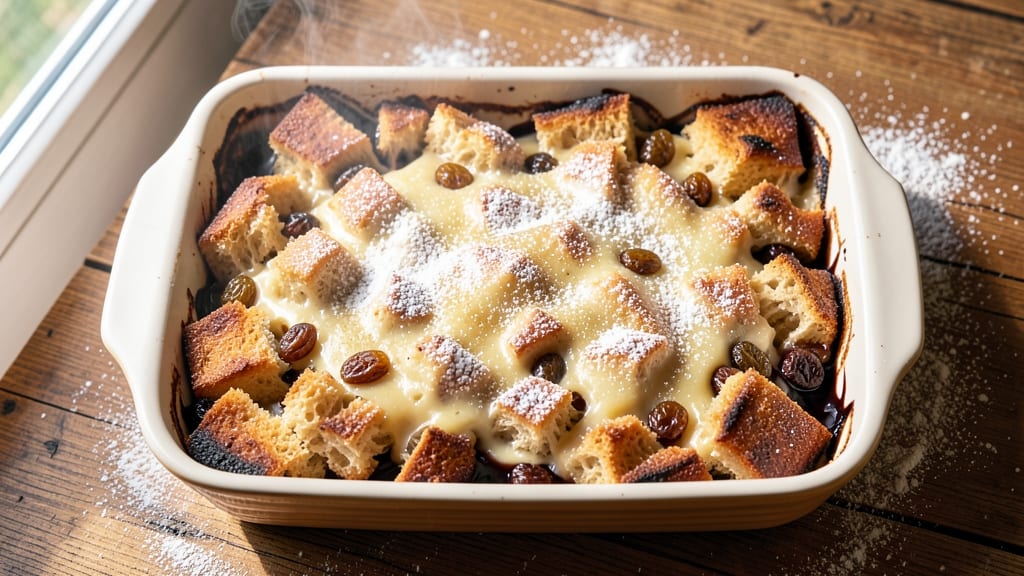
This Antigua bread pudding recipe brings the Caribbean's warm, spiced comfort to your table with its signature rum-infused layers and golden caramelized crust. This traditional dessert transforms stale bread into a decadent treat, where local flavors like cinnamon, nutmeg, and golden raisins create a symphony of textures and aromas. The secret lies in balancing sweetness with subtle warmth, resulting in a dessert that feels like a hug in every bite.
What makes this recipe special is its simplicity combined with rich tradition. Using day-old bread ensures the perfect texture—tender yet sturdy—while rum adds depth that elevates the dish beyond ordinary bread pudding. The caramelized top, achieved through a quick broil, gives it that restaurant-quality finish.
This dessert is more than just a treat; it's a taste of Antigua's culinary soul, where every ingredient tells a story.
By the time it emerges from the oven, your bread pudding will be fragrant with spice and rum, topped with a glossy caramelized crust that cracks invitingly. The contrast of creamy custard and crispy edges makes each bite irresistible.
Serve it warm with a dollop of whipped cream or a scoop of vanilla ice cream to complete the experience. This is comfort food at its finest, perfect for family gatherings or cozy evenings.
The best part? This recipe is versatile—swap raisins for fresh pineapple or add a layer of sweet potato for a twist on the classic. Whether you're celebrating a special occasion or simply craving a taste of the Caribbean, this bread pudding delivers warmth, tradition, and a touch of magic.
Let's get baking!
Ingredients for antigua bread pudding
Caribbean warmth in every bite—rum-spiced, golden, and impossible to resist.
| Ingredient | Amount | Notes |
|---|---|---|
| Day-Old Bread 🍞 | 12 cups | Crusts removed, cubed (1-inch pieces) |
| Large Eggs 🥚 | 6 whole | Room temperature for best mixing |
| Granulated Sugar 🍚 | 1 ½ cups | Light brown sugar for deeper flavor |
| Heavy Cream 🥛 | 2 cups | Full-fat for rich texture |
| Milk 🥛 | 1 cup | Whole milk preferred |
| Golden Raisins 🍈 | 1 cup | Plump, soaked in warm water |
| Dark Rum 🍹 | ½ cup | Aged 4+ years, like Appleton Estate |
| Ground Cinnamon 🌿 | 2 tsp | Freshly ground for warmth |
| Ground Nutmeg 🌿 | 1 tsp | Freshly grated preferred |
| Vanilla Extract 🍯 | 1 tbsp | Pure Madagascar vanilla |
| Salted Butter 🧈 | ½ cup | Melted, unsalted preferred |
| Granulated Sugar 🍚 | ¼ cup | For caramelized topping |
| Coconut Flakes 🥥 | ¼ cup | Toasted, for garnish |
The bread is non-negotiable here. Day-old loaves from the bakery section give the best texture—crusts removed, cubes cut even. Sourdough or brioche adds extra richness, but any crusty bread works. If you're using French bread, tear it into irregular chunks for that rustic Antigua feel. Pro tip: Soak the raisins in warm water for 10 minutes—they plump up beautifully and taste sweeter. For the rum, Appleton Estate or Diplomático are my go-tos, but any good dark rum will do. The key is letting it infuse while the pudding bakes, not just adding it at the end.
No rum? Substitute with extra vanilla extract (2 tbsp) plus 1 tsp almond extract for depth. Fresh nutmeg is a game-changer—if you've got a whole nutmeg, grate it fresh. No grinder? Pre-ground works, but toast it in a dry pan for 30 seconds first to wake up the flavor. The coconut flakes? Toast them in a dry skillet for 2-3 minutes until golden—Trader Joe's sells pre-toasted ones if you're short on time. For the sugar, light brown adds molasses notes that pair perfectly with the rum, but white sugar works in a pinch. And if you're feeling fancy, swap half the raisins for chopped dates or pineapple—both add tropical brightness.
This pudding tastes even better the next day, so make it ahead if you can. Store leftovers in an airtight container for up to 4 days, though I rarely have any left that long. For reheating, cover with foil and warm at 350°F for 15 minutes—the edges crisp up again like magic. The caramelized topping? Broil it for 2-3 minutes at the end—watch it like a hawk so it doesn't burn. Serve warm with whipped cream or vanilla ice cream for that ultimate Antigua café vibe. Freezes beautifully too—just thaw overnight in the fridge before reheating.
Why You'll Love This Recipe
- No Stale Ingredients Needed: I swear by using that slightly dried-out loaf from yesterday—it soaks up the custard like a dream, giving it that perfect chewy texture. No fancy bread here; just whatever’s lurking in your pantry.
- Caramelized Sugar Magic: That first spoonful of custard? It’s like liquid gold. The sugar and heavy cream create this rich, almost buttery-sweet layer on top that’s impossible to resist. Honestly, it’s the kind of dessert that makes you forget about healthy eating.
- Breakfast-to-Dessert Hero: Serve it warm with a drizzle of honey for breakfast—yes, really—and watch it disappear. Or save it for dessert when company’s over. The custard base is so versatile, it’s my secret weapon for lazy mornings or spontaneous gatherings.
- Budget-Friendly Indulgence: Eggs, milk, and bread? Check. Heavy cream? A splash goes a long way. This recipe turns cheap staples into something that feels like a restaurant treat. Between us, it’s the only dessert I make that actually makes cents.
Step-by-step instructions for Antigua bread pudding
Here's how to transform simple ingredients into a rum-spiced, caramel-topped masterpiece that tastes like Caribbean sunshine.
Prepare the Soaked Bread Base
Preheat your oven to 350°F and grease a 9x13-inch baking dish with the 0.5 cup melted salted butter. In a large bowl, combine the 12 cups day-old bread cubes, 1 cup soaked golden raisins, 0.5 cup dark rum, 1 cup milk, 2 cups heavy cream, 1.5 cups granulated sugar, 1 tbsp vanilla extract, 2 tsp ground cinnamon, and 1 tsp ground nutmeg.
Use your hands to gently fold everything together until the bread absorbs most of the liquid. You want it moist but not soggy—if it looks dry, add a splash more milk. Let this mixture sit for 15 minutes while you prepare the eggs. This soaking step ensures each bite stays tender and flavorful, not dry.
Mix in the Eggs for Richness
In a separate bowl, whisk together the 6 whole large eggs until they're completely smooth. Gradually pour the eggs into the bread mixture, folding gently with a spatula to combine. Be careful not to overmix—just until everything is evenly incorporated. The batter should be thick but still pourable.
Here's the thing—this is where the magic happens. The eggs create that signature custardy texture that makes Antigua bread pudding so special. If you see any dry bread pieces, give it one more gentle fold to ensure everything's coated in that creamy egg mixture.
Bake Until Golden and Set
Transfer the bread pudding mixture to your prepared baking dish and spread it evenly. Bake for 45-50 minutes until the edges are golden brown and the center just barely jiggles when shaken. You're looking for that perfect balance—set enough to hold its shape but still custardy inside.
Don't be tempted to overbake. The pudding will continue cooking slightly as it rests, and overbaking leads to dryness. When you run a knife through the center, it should come out clean with just a hint of moisture. The top should be beautifully caramelized from the sugar.
Create the Caramelized Topping
While the pudding bakes, melt the 0.25 cup granulated sugar in a small saucepan over medium heat until it turns into a golden caramel. This should take about 5 minutes—watch it closely so it doesn't burn. Once caramelized, immediately pour it over the top of the hot bread pudding.
Return the pudding to the oven for 2-3 minutes to let the caramel set. This step is what makes this bread pudding truly special—the caramel adds a beautiful contrast in texture and a subtle sweetness that balances the spiced flavors. The contrast between the soft custard and crisp caramel is pure perfection.
Garnish and Serve Warm
Remove the bread pudding from the oven and let it cool for 10 minutes before serving. Sprinkle the top with 0.25 cup toasted coconut flakes for that authentic Caribbean touch. The coconut adds a lovely crunch that cuts through the richness of the custard.
Slice into squares and serve immediately while still warm. Each bite should deliver a perfect balance of rum-spiced bread, creamy custard, sweet raisins, and that beautiful caramelized top. This is comfort food at its finest—perfect for sharing with friends or enjoying as a special treat for yourself.
Pro Tips For Making Antigua Bread Pudding
- USE COLD EGGS: I learned this the hard way—room-temperature eggs make the custard grainy. Pull them straight from the fridge, crack them into a separate bowl first (to avoid shell bits), then whisk them into the milk mixture. The cold eggs blend smoother and give you a silkier texture.
- CUT BREAD UNIFORMLY: Skipping this step means some chunks soak up all the custard while others stay dry. Use a serrated knife to slice the day-old bread into ½-inch cubes—consistent size guarantees even baking. (Yes, it takes 10 minutes, but trust me, it’s worth it.)
- BAKE LOW AND SLOW: Antigua bread pudding isn’t about a golden crust—it’s about a creamy center. Bake at 325°F (not 350°F) for 45–55 minutes, tented with foil halfway through. Rushing it turns the custard rubbery instead of velvety.
- ADD VANILLA OR CITRUS: The classic recipe lacks depth, but a splash of vanilla extract or a strip of lemon zest brightens it up. Stir in 1 teaspoon vanilla with the sugar, or grate the zest of half a lemon into the milk mixture. (Your future self will notice the difference.)
Common mistakes when making great antigua bread pudding
Over-Soaking the Bread
The bread should be moist but not swimming in liquid—if your mixture looks like a soup, you've gone too far. I've seen beginners add extra milk thinking it's necessary, but the eggs will bind everything together.
For 12 cups bread, the 3 cups liquid (milk + cream + rum) should be just enough to coat the cubes without making them soggy. If you're unsure, add a splash more milk after mixing in the eggs rather than before. 🥖
Skipping the Rum Infusion
Adding rum at the end won't give you the same depth of flavor—it needs time to infuse into the custard. Pour the 0.5 cup dark rum over the bread cubes during the initial soaking phase so it melds with the spices and sugar.
For a non-alcoholic version, substitute with 1 tsp almond extract + 2 tbsp vanilla extract and let it sit for the same 15 minutes to develop the flavor.
Underbaking or Overbaking
This is where most people mess up—the pudding should be set but still slightly jiggly in the center. Baking beyond 50 minutes turns it dry and rubbery, while underbaking leaves it gummy. Test doneness by inserting a knife: it should come out clean with minimal moisture.
If the top browns too quickly, tent with foil after 30 minutes to prevent over-browning while the center cooks.
Ignoring the Caramel Step
That golden caramel topping isn't just decoration—it's what gives this pudding its restaurant-quality finish. If you skip it, you're missing the beautiful texture contrast. Melt the 0.25 cup sugar until it reaches a deep amber color (about 230-240°F) before pouring.
Watch it like a hawk—burnt sugar ruins everything. The caramel should set in those final 2-3 minutes in the oven.
Using Fresh Bread
Fresh bread absorbs liquid differently and can make your pudding gummy. Always use day-old bread—it's sturdier and absorbs just the right amount of moisture. If you only have fresh bread, let it sit out uncovered for 1-2 hours first to dry it out slightly.
The crusts should be removed too, as they don't soften properly during baking and can make the texture uneven.
Forgetting to Rest
Bread pudding continues setting as it cools, so serving it immediately can make it fall apart. Let it rest for 10 minutes before slicing—this also lets the caramel firm up slightly. I've learned this the hard way when eager guests cut into it too soon!
The wait is worth it for clean slices that hold their shape. For make-ahead serving, let it cool completely and refrigerate for up to 2 days—reheat covered at 350°F for 15 minutes before serving.
Nutrition facts
Frequently asked questions
Can I make this bread pudding without rum?
For a non-alcoholic version, replace the 0.5 cup dark rum with 1 teaspoon almond extract plus 2 tablespoons vanilla extract. Let the mixture sit for 15 minutes to allow the flavors to meld, just like you would with rum. The spices will still shine through, giving you that same warm, comforting taste.
What's the best bread to use for this recipe?
Day-old bread is ideal—it's sturdy enough to hold up during baking without becoming soggy. Crusty breads like sourdough or brioche work beautifully, but any bread without a thick crust will do. If you only have fresh bread, let it sit uncovered for 1-2 hours first to dry it out slightly. Remove crusts before cubing for even cooking.
How do I know when the bread pudding is fully baked?
The pudding is done when the edges are golden and the center just barely jiggles when shaken. Insert a knife—it should come out clean with minimal moisture. Baking beyond 50 minutes risks dryness, while underbaking leaves it gummy. If the top browns too quickly, tent with foil after 30 minutes to balance cooking.
Can I make this ahead of time?
This pudding tastes even better the next day! Let it cool completely, then refrigerate in an airtight container for up to 4 days. To serve, reheat covered at 350°F for 15 minutes—the edges will crisp up again. For freezing, wrap tightly and thaw overnight in the fridge before reheating. Perfect for make-ahead desserts!
What's the secret to that perfect caramelized top?
Melt 0.25 cup sugar in a saucepan until it reaches a deep amber color (230-240°F), then pour it over the hot pudding. Return to the oven for 2-3 minutes to set. Watch closely—burnt sugar ruins everything! This step adds that restaurant-quality contrast between soft custard and crisp caramel.