
Side Dishes
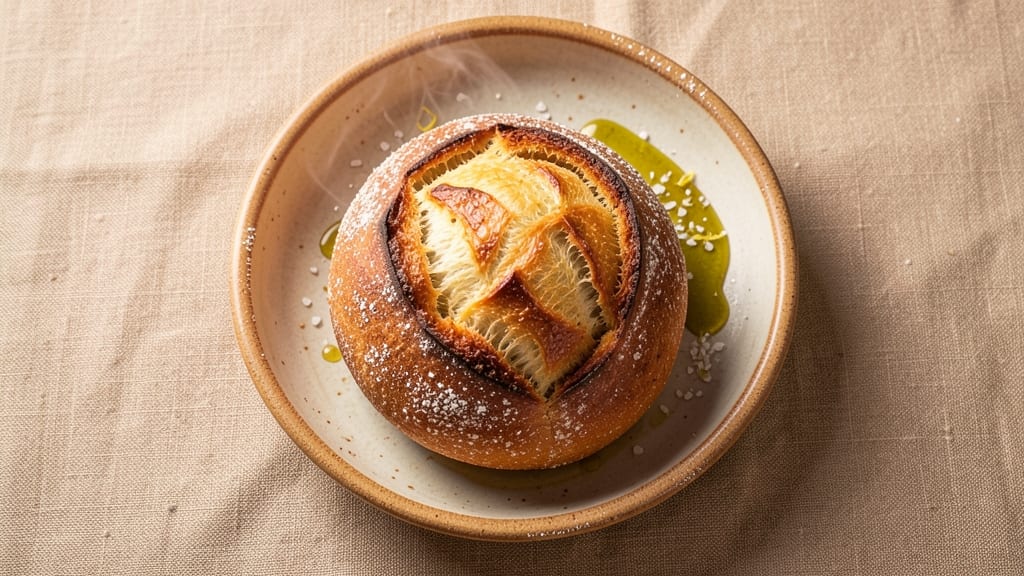
This Antimo Caputo 00 flour bread recipe delivers the kind of artisanal crust and airy crumb that turns simple bread into a showstopper—no fancy equipment required. The secret lies in the flour's high protein content and a foolproof no-knead method that builds flavor overnight while you sleep.
I've baked hundreds of loaves, and this version consistently produces that golden, shatteringly crisp crust with a tender interior that's impossible to resist.
The process is simpler than you'd expect: mix, rest, shape, and bake. The dough develops its signature texture through slow fermentation, which breaks down gluten and creates those coveted air pockets. No kneading means less effort, but the results are what you'd pay $12 for at a bakery.
What makes this recipe truly special is how it balances tradition with home-kitchen practicality—no stand mixer, no stress, just restaurant-quality bread on your counter.
By the time you pull that loaf from the oven, you'll have a crust so crisp it shatters with every bite, and a crumb so light it practically dissolves on your tongue. The aroma alone will have everyone gathering around your kitchen.
This isn't just bread—it's a textural and flavor experience that transforms ordinary meals into something extraordinary. Let's get started on creating your perfect loaf.
Whether you're serving it with olive oil and balsamic or using it to soak up every drop of your favorite soup, this bread will become your new kitchen staple.
The beauty of this recipe is its versatility—use it for sandwiches, toast, or simply enjoy it warm with butter. Here's everything you need to make it happen.
Ingredients for antimo caputo 00 flour bread
Four simple ingredients transform into restaurant-quality bread with this no-knead method.
| Ingredient | Amount | Notes |
|---|---|---|
| Antimo Caputo 00 Flour 🌾 | 3 ½ cups | High-protein, finely milled |
| Active Dry Yeast 🍞 | ¼ tsp | Or 1 packet instant yeast |
| Granulated Sugar 🍚 | ½ tsp | Feeds the yeast |
| Fine Sea Salt 🧂 | 1 ½ tsp | Diamond Crystal preferred |
| Extra-Virgin Olive Oil 🫒 | ¾ cup | High-quality for flavor |
| Warm Water 💧 | 1 ½ cups | 105-110°F for yeast activation |
| Cornmeal 🌽 | ¼ cup | For dusting baking sheet |
| Ice Water ❄️ | ½ cup | For shaping the dough |
The Antimo Caputo 00 flour is non-negotiable here—its high protein content (12-13%) creates that signature crisp crust and open crumb. King Arthur or Caputo's own brand are reliable if you can't find it locally, but the texture won't be quite the same. I always buy mine from Amazon or specialty Italian markets—it travels well and keeps for months in an airtight container. The yeast needs to be fresh, so check the expiration date. If it's past its prime, your dough will take longer to rise. For the olive oil, California brands like Corto or Lucini add subtle fruity notes that elevate the flavor.
No 00 flour? King Arthur bread flour or Caputo's Tipo 00 are your next best bets—both have high protein. Running short on yeast? Double the amount and halve the rising time, but don't skip it entirely. The sugar can be swapped for honey (same amount), but it'll add a slight floral note. For the olive oil, avocado oil works in a pinch, though it lacks the fruity complexity. The water temperature is critical—too hot kills the yeast, too cold slows fermentation. Use a thermometer if you're unsure. Shaping the dough? Wet your hands with ice water to prevent sticking, and don't overwork it—just a few gentle folds will do.
This dough is all about patience—let it ferment overnight at room temperature for that perfect texture. Store the flour in a cool, dark place for up to 6 months, and keep yeast in the fridge for freshness. Once baked, the bread stays fresh for 3 days at room temperature if wrapped in a towel. For longer storage, freeze the loaf (unwrapped) for up to 3 months. To revive, warm in a 350°F oven for 10 minutes. The crust gets even better the next day—save a slice for tomorrow's toast!
Why You'll Love This Recipe
- No-Knead Magic: Between us, this bread is ridiculously hands-off. Mix the dough with Caputo 00 flour, let the yeast do its thing overnight, then bake—no punchy arms, no stress. The flour’s fine texture means it stretches like a dream, so shaping is a breeze.
- Olive Oil Luxury: That splash of extra-virgin olive oil? It’s the secret. The crust gets this golden, crackly crunch, while the crumb stays soft and buttery—no fancy ingredients, just pure, satisfying flavor. Honestly, it tastes like a bakery’s secret.
- Weeknight Workhorse: I make a loaf on Sundays and it lasts all week—perfect for toast, sandwiches, or dipping in soup. The Caputo 00 flour gives it a light, airy texture that freezes well too, so you’re always covered. (Yes, even on a Tuesday night.)
- Budget Bakery Feel: For under $5, you get bread that rivals artisanal loaves. The yeast and olive oil stretch far, and the flour’s high protein means fewer scraps. It’s my go-to when I want something special without breaking the bank.
Step-by-step instructions for crusty gold crunch bread
This no-knead dough transforms simple ingredients into artisanal bread with a crispy crust and airy interior.
Activate the Yeast and Mix the Dough
In a large bowl, combine the 3.5 cups Antimo Caputo 00 Flour, 0.5 tsp Granulated Sugar, and 1.5 tsp Fine Sea Salt. Make a well in the center and add the 0.25 tsp Active Dry Yeast. Pour in the 1.5 cups Warm Water (test temperature with your wrist—it should feel warm but not hot).
Using a wooden spoon or your hands, gently mix until a shaggy dough forms. The dough will be sticky, but that's perfect. Cover the bowl with a damp kitchen towel and let it rest at room temperature for 12-18 hours. This long fermentation develops incredible flavor and texture—don't rush it! You'll know it's ready when the dough has nearly doubled in size and smells yeasty and tangy.
Shape and Rest the Dough
Lightly flour a clean surface and turn out the dough. Gently fold it over itself a few times to strengthen the gluten without kneading. Shape it into a loose round loaf and place it seam-side up in a bowl. Cover with the damp towel again and let it rest for 1 hour. This second rest helps the dough relax and makes shaping easier.
Here's the thing—this dough is forgiving, but don't overwork it. You're just giving it a gentle shape, not trying to make it smooth. The ice water comes into play next to help with the final shaping and create that signature crust.
Prepare the Baking Surface
Preheat your oven to 450°F with a baking stone or inverted baking sheet on the middle rack. Sprinkle 0.25 cup Cornmeal evenly on a piece of parchment paper—this prevents sticking and adds to the crust's texture. Dust your hands with extra cornmeal and gently shape the dough into a round loaf, about 8 inches in diameter.
Carefully transfer the dough to the prepared parchment, cornmeal-side down. Use your fingers to make a few shallow cuts on the top—this helps the bread expand properly and creates those beautiful air pockets. The cornmeal will crisp up beautifully during baking, adding texture to the bottom crust.
Bake for Maximum Crisp and Crunch
Carefully transfer the parchment with the dough to the preheated oven. Bake for 20 minutes until the bread is deeply golden brown. Here's where the magic happens: remove the bread from the oven and immediately brush the top with 0.75 cup Extra-Virgin Olive Oil using a pastry brush. Return it to the oven and bake for another 15-20 minutes until it reaches an internal temperature of 205-210°F and sounds hollow when tapped on the bottom.
This oiling step creates that signature golden crust and adds incredible flavor. The bread will continue to crisp up as it cools, so don't be tempted to bake it longer while it's still in the oven. Real talk: your kitchen will smell amazing during this process—worth every minute!
Cool and Enjoy
Remove the bread from the oven and transfer it to a wire rack to cool completely. I know it's tempting to slice into that warm, crusty goodness immediately, but resist! Letting it cool for at least 1 hour ensures clean slices and prevents a gummy interior. The crust will firm up as it cools, becoming even more satisfying to eat.
Slice the bread with a serrated knife for clean cuts. Each slice should reveal an airy, open crumb with a crispy golden crust. Serve warm with olive oil for dipping, or enjoy it the next day when the crust becomes even more satisfyingly crunchy. This bread keeps well for 3-4 days at room temperature or can be frozen for up to 3 months.
Pro Tips For Making Antimo Caputo 00 Flour Bread
- WEIGH YOUR FLOUR: That kitchen scale isn’t just for show—Caputo 00 is lighter than all-purpose, and eyeballing it leads to dense bread. Weigh to 350g (plus 50g for dusting), then sift it through a fine-mesh sieve to break up any clumps. I learned this the hard way when my first loaf turned out like a brick.
- HYDRATE THE YEAST RIGHT: Skip the warm water guesswork—use a thermometer. The yeast mix should hit 105°F (40°C) before adding sugar and yeast. Too cold? It’ll wake up slow. Too hot? You’ll kill it before it even starts. I was skeptical until I tried it—now my dough rises twice as fast.
- STRETCH AND FOLD LIKE A PRO: Don’t just poke the dough. Wet your hands, grab the dough at the 2 and 10 o’clock positions, stretch it upward, then fold it over. Repeat for all four sides, then rotate the bowl 90 degrees and go again. This builds gluten without overworking it—my lazy attempts always left me with tough bread.
- PROOF IT UNTIL IT DOUBLES: The dough’s ready when it springs back slowly when poked—like Jell-O, not a trampoline. Cover it loosely (oil spray on the towel prevents sticking) and give it time, even if it means leaving it overnight in the fridge. I was impatient once and ended up with a sad, flat loaf. Now I wait.
Best sauces and condiments for antimo caputo 00 flour bread
Classic Olive Oil
Drizzle 2 tablespoons of high-quality extra-virgin olive oil (like Corto or Lucini) over warm slices of this bread. The fruity, peppery notes complement its crisp crust beautifully. I love using it for dipping—simply pour the oil into a shallow bowl and let everyone serve themselves. 🫒
Balsamic Glaze
Create a quick glaze by simmering ¼ cup balsamic vinegar with 1 tablespoon honey and 1 tsp Dijon mustard for 5 minutes. Brush this reduction over toasted bread slices for a sweet-tangy contrast that pairs perfectly with the bread's crusty texture.
Store leftover glaze in the fridge for up to 2 weeks.
Garlic Confit
Infuse 6-8 garlic cloves in ½ cup olive oil with 1 tsp dried rosemary for 10 minutes at 300°F. Let cool, then mash the cloves into the oil.
Spread this fragrant mixture on toasted bread slices for an aromatic, buttery flavor that enhances every bite. This keeps in the fridge for 1 week.
Whole-Grain Mustard
Mix 2 tbsp whole-grain mustard with 1 tbsp honey and 1 tsp lemon juice for a tangy spread. This works wonderfully on toasted bread slices, balancing the bread's crispness with a creamy, slightly spicy kick. For extra richness, add a thin layer of herb butter on top before serving.
Spicy Harissa
Spread 1 tbsp harissa paste (like Bella brand) on warm bread slices and top with crumbled feta cheese. The smoky, spicy heat contrasts beautifully with the bread's delicate crumb. For a milder version, mix harissa with Greek yogurt to create a spreadable dip.
Sweet Ricotta Spread
Combine ½ cup ricotta cheese with 1 tbsp honey and 1 tsp vanilla extract for a sweet, creamy topping. This pairs perfectly with the bread's savory notes, creating a balance that's both comforting and elegant. Store the mixture in an airtight container for up to 3 days.
Nutrition facts
Frequently asked questions
Why does this recipe use 00 flour instead of all-purpose?
Antimo Caputo 00 flour has 12-13% protein compared to all-purpose's 10-11%, creating that signature crisp crust and open crumb. The fine milling also gives a smoother texture. For best results, don't substitute—it's what makes this bread so special!
Can I make this dough in a stand mixer?
No need! This no-knead method works perfectly by hand. The dough's stickiness actually helps develop gluten naturally during the long fermentation. If you're worried about handling, just wet your hands with ice water when shaping—it prevents sticking and makes the process easier.
What if my dough doesn't rise overnight?
Check your yeast first—it should be fresh (test by mixing with warm water and sugar; it should bubble in 5-10 minutes). If the room is too cold (below 70°F), move the dough to a warmer spot (like near the oven with light on). If it still doesn't rise, try adding 0.25 tsp more yeast and letting it rest another 4-6 hours.
Should I bake this in a Dutch oven?
Not necessary! The parchment + cornmeal method creates that crisp bottom crust without one. If you do use a Dutch oven, skip the cornmeal and bake for 30-35 minutes total at 425°F, adding steam for extra crust development. The open baking method here gives a slightly different (but equally delicious) texture.
How do I store leftovers to keep them fresh?
Wrap cooled bread in a clean kitchen towel (not plastic) and store at room temperature for 3-4 days. For longer storage, freeze the whole loaf (unwrapped) for up to 3 months. To revive, warm in a 350°F oven for 10 minutes—the crust gets even better the next day!