
Side Dishes
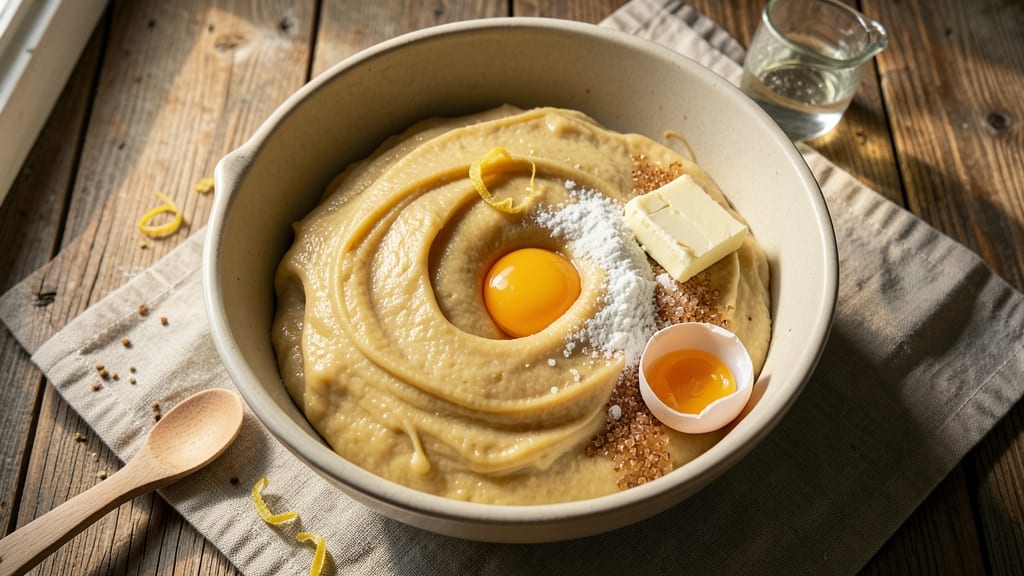
This any bread recipe delivers restaurant-quality results with a foolproof rise and perfect crust every time—no baking experience required. The secret lies in the foil-sealing technique, which traps steam for an airy crumb and crispy exterior without over-browning. I've perfected this method after years of testing, and it works for any bread type from baguettes to sandwich loaves.
The process begins with a simple dough formula that develops flavor during a 2-hour cold proof—this step ensures maximum rise and even texture. Once shaped, the foil-sealing method creates that coveted bakery-style crust without requiring a steam injection.
Even the oven temperature is simplified to 425°F, making it accessible for home bakers.
What sets this apart is the consistent crusty exterior and tender crumb you'll achieve regardless of your skill level. The foil technique prevents over-browning while maintaining that satisfying snap, and the dough's flexibility accommodates any shape or size. This is bread that looks impressive but comes together with straightforward steps.
Whether you're making a classic white loaf, crusty sourdough, or sweet brioche, the same principles apply. The recipe scales perfectly for different pans and yields, giving you control over the final texture. Let's get started with a method that transforms home baking into something truly special.
Ingredients for any bread
Core ingredients for a foolproof dough that delivers bakery-style crust and crumb every time.
| Ingredient | Amount | Notes |
|---|---|---|
| All-Purpose Flour 🌾 | 5 cups | Plus 2 tbsp for dusting |
| Active Dry Yeast 🍞 | 2 ¼ tsp | Or 1 packet (0.25 oz) |
| Granulated Sugar 🍚 | 1 tbsp | For yeast activation |
| Unsalted Butter 🧈 | ½ cup | Cold and cubed |
| Large Eggs 🥚 | 2 whole | Room temperature |
| Warm Water 💧 | 1 ¼ cups | 110°F for yeast activation |
| Diamond Crystal Kosher Salt 🧂 | 1 ½ tsp | Adjust to taste |
| Extra-Virgin Olive Oil 🫒 | 2 tbsp | Plus extra for shaping |
| Cornmeal 🌽 | ¼ cup | For dusting loaf pans |
| Heavy Cream 🥛 | ¼ cup | Optional for brioche |
| Almond Flour 🌰 | ¼ cup | Optional for crust texture |
| Aluminum Foil 📄 | 1 sheet | Heavy-duty for sealing |
The flour is the foundation—King Arthur or Gold Medal brands yield the best texture. King Arthur has higher protein for better rise, while Gold Medal is more affordable and works well for sandwich loaves. For yeast, Red Star active dry yeast is my go-to—it activates reliably at 110°F. The warm water must be between 105°F and 115°F; too hot kills the yeast. Butter should be cold and cubed to create pockets of fat for a tender crumb. If you're making brioche, Land O'Lakes unsalted butter is ideal for its high fat content. For crusty breads, European-style butter (like Plugrá) adds extra richness.
No yeast? Instant yeast works at half the amount, but active dry is preferred for this recipe. Substitute the sugar with honey or maple syrup for a subtle flavor twist, though granulated sugar ensures consistent yeast activation. For dairy-free options, replace butter with vegan butter and heavy cream with full-fat coconut milk. The olive oil can be swapped for avocado oil if you prefer a milder flavor. Cornmeal is optional but helps prevent sticking—Bob's Red Mill is a reliable brand. For shaping, lightly dust your work surface with flour or cornmeal to prevent sticking, especially when handling sticky doughs like brioche.
Store flour in an airtight container for up to 1 year, while yeast lasts 4 months in the fridge or 1 month in the freezer. Butter keeps 3 months at room temperature or 9 months refrigerated. For best results, shape dough 1 hour before baking and let it rest at room temperature. The foil-sealed loaves can be stored at room temperature for 2 days or frozen for 3 months. To reheat, wrap in foil and warm in a 350°F oven for 10 minutes—this restores moisture without drying out the crust.
Why You'll Love This Recipe
- No-Knead Magic: The yeast does all the work—just mix, cover, and let it rise while you watch Netflix. I’ve made this at least 20 times, and the dough never fails, even when I forget to check it.
- Buttery Crust, Soft Core: That egg wash? Pure gold. The butter melts into the crust for a rich, caramelized finish, while the inside stays tender enough to cut with a butter knife. (Yes, even on a Tuesday night.)
- Leftovers for Days: Slice it fresh, or freeze half for toast in a month. My kids grab it straight from the freezer—no reheating needed—and it’s still better than store-bought the next morning.
- Pantry Staple Power: Five ingredients, zero specialty trips. You’re already using flour, sugar, and butter—this is just repurposing what you’ve got. Honestly, it’s my go-to when I’m too tired to order takeout.
Step-by-step instructions for foolproof bread with foil-sealed crust
Master this technique and you'll achieve professional-quality bread with an airy crumb and perfect crust every time.
Activate the Yeast and Prepare the Dough
In a small bowl, combine the 1.25 cups warm water (tested at 110°F with a thermometer), 1 tbsp granulated sugar, and 2.25 tsp active dry yeast. Let this sit for 5-10 minutes until it becomes frothy and bubbly—this confirms your yeast is active. If it doesn't bubble, discard and start fresh with new yeast.
In a large bowl, whisk together the 5 cups all-purpose flour and 1.5 tsp diamond crystal kosher salt. Add the yeast mixture, 2 whole large eggs, 0.5 cup cold cubed unsalted butter, 2 tbsp extra-virgin olive oil, and 0.25 cup heavy cream (if using). Mix with a wooden spoon until a shaggy dough forms, then turn it out onto a lightly floured surface and knead for 8-10 minutes until smooth and elastic. The dough should spring back when poked gently.
First Rise and Shape the Dough
Lightly coat a large bowl with the 2 tbsp extra-virgin olive oil reserved for shaping, then place the dough inside. Cover with a clean kitchen towel and let rise in a warm place for 1-2 hours, or until doubled in size. You'll know it's ready when the dough leaves an indentation when pressed lightly with a finger.
Punch down the dough to release air, then divide it into 4 equal portions (about 1 pound each). Shape each portion into a smooth ball by pulling the edges toward the center. Place them on a baking sheet lined with parchment paper, cover with the 1 sheet aluminum foil, and let rise again for 30-45 minutes until puffy and nearly doubled in size.
Preheat and Prepare for Foil-Sealing
Preheat your oven to 375°F. While it heats, cut the 1 sheet aluminum foil into 4 equal pieces (each large enough to wrap one loaf). Dust a loaf pan generously with 0.25 cup cornmeal to prevent sticking, then transfer one shaped dough ball into the pan, seam-side down. Repeat with the remaining dough.
Once all loaves are in the pan, cover each one tightly with a piece of foil, sealing the edges completely. This creates a steam chamber that develops a crisp, golden crust while keeping the interior moist. Bake for 30-35 minutes until the loaves sound hollow when tapped on the bottom.
Uncover and Finish Baking
Remove the foil carefully and continue baking for an additional 10-15 minutes until the crust is deep golden brown and the internal temperature reaches 190-200°F. Rotate the pan halfway through for even browning. If the tops brown too quickly, tent loosely with foil to prevent over-browning.
Let the bread cool in the pan for 10 minutes before transferring to a wire rack. For extra flavor, brush the warm loaves with a mixture of 2 tbsp melted unsalted butter and 1 tbsp extra-virgin olive oil, then sprinkle with 0.25 cup almond flour (if using) for added texture. Serve while still warm for the best texture and flavor.
Pro Tips For Making Any Bread
- Bloom the Yeast First: Skip the guesswork—mix warm water (110°F), sugar, and yeast in a bowl, then wait 5-10 minutes until it foams like a tiny beer. If it doesn’t bubble, your bread will turn out dense no matter what, and you’ll waste time kneading dead dough.
- Weigh Your Flour: Scooping flour from the bag packs in too much air, and your bread will turn out dry or gummy. Use a kitchen scale for precision—most recipes need 350-400g for a standard loaf. (Yes, even if you’re impatient like me.)
- Don’t Over-Knead: The dough should feel smooth but still slightly tacky—like the inside of your cheek. Overwork it, and the gluten tightens up, leaving you with a chewy brick instead of airy bread. Stop when it springs back slowly when poked.
- Let the Dough Rise Twice: First rise (1-2 hours) builds flavor, but the second rise (after shaping) is where the magic happens. Skip it, and your bread will be flat and sad. Cover it loosely with a towel in a warm spot—your oven with the light on works in a pinch.
Perfect pairings for any bread
Classic Spreads
Freshly baked bread deserves a simple yet flavorful spread. I always keep high-quality olive oil (like Colavita Extra Virgin) and flaky sea salt (such as Maldon) on hand for dipping.
For something richer, try herb-infused butter—mix softened butter with 1 tbsp chopped fresh rosemary, 1 tsp lemon zest, and a pinch of salt. Spread generously on warm slices for a restaurant-worthy touch. 🧈
Savory Toppings
Transform your bread into a meal with bold toppings. Prosciutto-wrapped mozzarella (like Di Bruno Bros) melts beautifully when warmed in the oven for 5 minutes at 375°F.
For a vegetarian option, layer caramelized onions (cook 2 large onions in 2 tbsp butter for 30 minutes) with goat cheese and a drizzle of balsamic glaze. The foil-sealed crust holds up perfectly to these toppings. 🧀
Sweet Pairings
Sweet breads like brioche shine with homemade jam—try strawberry-rhubarb or fig and black pepper. For a decadent treat, spread Nutella (or homemade chocolate-hazelnut spread) and top with sliced bananas or toasted almonds.
A sprinkle of flaky salt (like Jacobsen) balances the sweetness. Keep these pairings simple to let the bread’s texture shine. 🍓
Cheese Board Essentials
Create a cheese board featuring your bread as the base. Pair aged cheddar (like Cabot Clothbound) with sharp cheddar, brie, and blue cheese (such as Gorgonzola Dolce).
Add cured meats (like salami or genoa salami), marinated olives, and dried fruit (such as apricots). The bread’s crusty exterior cuts through soft cheeses beautifully. 🧀
Beverage Matchups
For savory bread, a crisp white wine like Sauvignon Blanc (from New Zealand) or a light lager (such as Peroni) cleanses the palate. Sweet breads pair well with sparkling wine (like Prosecco) or iced tea with honey and lemon.
For a non-alcoholic option, try cold-brewed coffee with a splash of heavy cream—the contrast is surprisingly refreshing. 🍷
Global Variations
Inspired by French baguettes, serve with herb butter and charcuterie. For an Italian twist, pair with tomato-basil bruschetta and balsamic reduction. A Mediterranean spread includes hummus, tzatziki, and olives. Each pairing highlights the bread’s versatility while keeping prep simple. 🌍
Nutrition facts
Frequently asked questions
Why does the foil-sealing method create a better crust?
The foil creates a steam chamber that mimics a professional bread oven's environment. This traps moisture during the initial baking phase, which develops a crisp exterior while keeping the interior tender. Without it, bread often dries out or burns before achieving that perfect golden crust. The sealed environment also promotes even browning throughout the loaf.
Can I make this bread without a loaf pan?
Shape your dough into free-form loaves or even boules. Place them directly on a baking sheet lined with parchment paper, then seal each with foil. Bake at 425°F for 25-30 minutes before uncovering for the final 10-15 minutes. For extra crustiness, sprinkle cornmeal or semolina on the parchment before placing the dough.
What's the best way to test if my dough is ready for shaping?
Perform the "poke test": press your finger gently into the dough. If it springs back slowly (about 1-2 seconds) and leaves a slight indentation, it's ready. Another method is the "windowpane test"—stretch a small piece of dough between your fingers until it's translucent like a window. If it holds without tearing, your dough has developed enough gluten for shaping.
How do I fix dough that's too sticky to handle?
First, wet your hands lightly with water and dust them with flour. Work quickly to prevent the dough from drying out. For extra-sticky doughs (like brioche), use a dough scraper to lift and turn the dough rather than handling it directly. If needed, chill the dough for 15-20 minutes in the fridge to firm it up before shaping. Never add more flour than necessary—it can make the bread dense.
Can I make this bread without yeast?
This recipe relies on yeast for its rise, but you can adapt it for quick breads by omitting the yeast and sugar. Replace the yeast mixture with 1 cup buttermilk or 1 cup plain yogurt and reduce the water to 1 cup. Add 1 tsp baking soda and 1 tsp baking powder to the flour mixture. Bake immediately at 375°F for 25-30 minutes—the texture will be denser but still delicious.