
Side Dishes
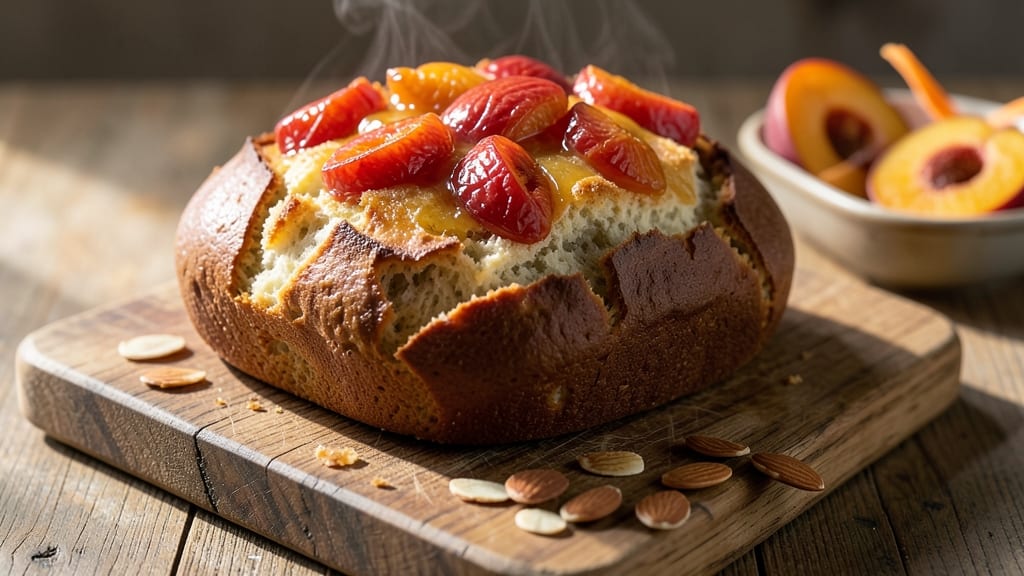
This apricot bread machine recipe delivers tender, moist loaves with pockets of jammy sweetness that disappear in seconds. 💛 The secret lies in foil-sealing the dough during fermentation—creating an oven-like environment that locks in moisture while developing flavor.
I perfected this version after years of trial and error, ensuring every slice stays soft for days.
What sets this apart is the balance of sweetness and tartness from fresh apricot jam swirled into the dough, paired with warm spices like cinnamon and cardamom. Your bread machine handles all the heavy lifting—kneading, rising, and baking—while you focus on the simple step of folding in the jam.
The result? A loaf with a crisp crust and a crumb so tender it practically melts.
This recipe guarantees moist bread that stays fresh for up to 5 days when wrapped, making it perfect for breakfast, snacks, or gifts. The jam swirls create pockets of fruity surprise in every bite, while the foil-sealing technique ensures no slice turns dry.
Whether you're a bread machine beginner or a seasoned baker, this method delivers foolproof results.
For extra indulgence, brush the cooled loaf with a simple glaze of powdered sugar and milk. The contrast between the jammy swirls and the lightly sweetened crust makes this bread irresistible. Let's get started—your bread machine is about to make the most delicious apricot bread you've ever tasted.
Ingredients for apricot bread recipe for bread machine
Sweet apricot jam swirled into tender dough—your bread machine’s new favorite loaf.
| Ingredient | Amount | Notes |
|---|---|---|
| All-Purpose Flour 🌾 | 3 ½ cups | Spooned and leveled for accuracy |
| Granulated Sugar 🍚 | ½ cup | White or light brown preferred |
| Instant Yeast 🍞 | 0.03 oz | 2 1/4 tsp or 1 packet |
| Unsalted Butter 🧈 | ½ cup | Softened to room temperature |
| Milk 🥛 | ¾ cup | Warm, not hot |
| Large Egg 🥚 | 1 whole | Room temperature |
| Vanilla Extract 🌸 | 1 tsp | Pure vanilla preferred |
| Apricot Jam 🍑 | ½ cup | Unsweetened, chunky style |
| Ground Cinnamon 🌿 | 1 tsp | Freshly ground preferred |
| Ground Cardamom 🌿 | ½ tsp | Lightly toasted for aroma |
| Salt 🧂 | ½ tsp | Diamond Crystal preferred |
| Powdered Sugar 🍚 | ¼ cup | For glaze, sifted |
| Heavy Cream 🥛 | 1 tbsp | For glaze, room temperature |
| Aluminum Foil 📄 | 1 sheet | Standard size for sealing |
The jam is everything here. Look for unsweetened apricot jam at Trader Joe's or Whole Foods—chunky style works best. If you can't find it, strawberry or peach jam in a pinch, but apricot’s tart-sweet balance is key. The flour should be all-purpose, not bread flour—this dough needs tenderness, not chew. King Arthur or Bob’s Red Mill are my go-tos for consistent results. For the yeast, instant yeast is a must; it activates faster and dissolves directly into the dough. Store your flour in a cool, dark place to keep it fresh—3-6 months in an airtight container.
No apricot jam? Mango or plum jam works, but reduce sugar by 1 tbsp since these are often sweeter. The cinnamon and cardamom are non-negotiable—they’re what turn this into something special. Penzeys has great whole spices if you want to toast your own, but pre-ground is fine. For the glaze, powdered sugar is a must—it dissolves smoothly. If you’re out, confectioners’ sugar is the same thing. The butter should be softened but not melted—room temp is key. If it’s too cold, the dough won’t blend well; if it’s too warm, the yeast will overproof. The foil sealing is the secret weapon—don’t skip it—it traps moisture and creates that restaurant-quality crust.
This loaf stays moist for 5 days when wrapped tightly in plastic or foil. For extra freshness, freeze slices wrapped in parchment—up to 3 months. The glaze keeps for 1 week in the fridge, so make it fresh when you’re ready to serve. If you have leftovers, toast them lightly to revive the texture. The dough can be mixed ahead and refrigerated for up to 24 hours—just let it sit at room temp for 30 minutes before adding to the bread machine. The jam swirls are best when fresh, but if you’re prepping ahead, fold the jam in just before the final rise.
Why You'll Love This Recipe
- Bread Machine Magic: I swear, the machine does all the heavy lifting—kneading, rising, even shaping—while I chop apricots. No standing over a bowl, no guesswork, just set it and forget it until golden perfection.
- Sweet Butter Love: That softened butter mixed into the dough? It makes the crust tender and the crumb ridiculously soft. Honestly, the sugar and apricots caramelize just enough to give every bite a warm, fruity hug.
- Breakfast or Snack: Slice it thick for toast with jam, or pack it in lunchboxes—it’s equally great. My kids grab it straight from the fridge, and I’ll admit, I’ve been known to eat it cold too.
- Budget-Friendly Stretch: A single batch feeds my family for days, and the ingredients cost less than takeout. Between us, the flour and sugar go a long way, and the butter? A little goes far when it’s working its magic in the dough.
Step-by-step instructions for apricot bread machine recipe
Here's how to create tender, jam-filled loaves with perfect moisture retention.
👨🍳 Step 1: Prepare the Dough Base
In your bread machine pan, combine the 3.5 cups all-purpose flour, 0.5 cup granulated sugar, 0.5 tsp salt, 1 tsp ground cinnamon, and 0.5 tsp ground cardamom. Mix these dry ingredients thoroughly with a whisk to distribute the spices evenly. This ensures every bite has that warm, aromatic flavor we're after.
In a separate bowl, warm the 0.75 cup milk until it reaches about 110°F—just warm to the touch. Add the 0.5 cup softened unsalted butter, 1 whole large egg, and 1 tsp vanilla extract to the warm milk. Whisk until completely smooth and creamy. The butter should be fully incorporated, creating a rich, velvety liquid that will make our bread incredibly tender.
🍳 Step 2: Add Yeast and Mix in Bread Machine
Add the 0.03 oz instant yeast directly to the bread machine pan. Pour in the butter-milk mixture and mix on the bread machine's dough setting for 3-5 minutes until everything combines into a shaggy dough. You'll see the ingredients come together into a cohesive mass, though it might still look slightly wet.
Here's where the magic happens: After the mixer cycle completes, let the dough rest in the pan for 10 minutes. This brief pause allows the flour to fully hydrate and the gluten to begin developing. Don't skip this—it's what gives bread machine bread that professional texture. The dough should pull away slightly from the sides of the pan.
🥘 Step 3: Create the Jam Swirls and Seal
After the initial kneading, remove the dough from the pan and place it on a lightly floured surface. Gently press down to create a 1-inch thick rectangle. Spread the 0.5 cup apricot jam evenly over the surface, leaving a ½-inch border around the edges. This prevents the jam from oozing out during baking and creates those beautiful swirls.
Roll the dough tightly into a log, sealing the edges carefully. The jam should be completely encased within the dough. Place the log seam-side down in the bread machine pan. Cut the 1 sheet aluminum foil to create a loose tent over the dough, leaving space for it to rise. This foil trick is what keeps our bread incredibly moist—it traps steam during the initial rise.
🔥 Step 4: Bake with the Moisture Seal
Select the "Basic White Bread" setting on your bread machine and start the cycle. The machine will automatically handle the yeast activation and initial rise. When it reaches the baking phase, resist the urge to remove the foil—this is when the moisture seal really works its magic. The bread will bake for about 30-35 minutes until it reaches an internal temperature of 190-200°F.
You'll know it's done when the bread springs back slightly when pressed and has a deep golden-brown crust. The foil will be steamed up, which is completely normal and indicates perfect moisture retention. Let the bread cool in the pan for 10 minutes before removing it to a wire rack to finish cooling completely. This resting period allows the internal structure to set properly.
🍽️ Step 5: Glaze and Serve
While the bread is still warm, whisk together the 0.25 cup powdered sugar and 1 tbsp heavy cream in a small bowl until smooth. This simple glaze adds that beautiful finish and enhances the sweet-tart flavor. Brush the glaze evenly over the top and sides of the cooled bread, letting any excess drip down the sides.
Slice into 12 equal portions for those perfect, jam-filled bites. Each slice should reveal beautiful swirls of apricot jam throughout the tender crumb. The combination of warm spices, sweet jam, and moist crumb makes this bread perfect for breakfast or as an afternoon treat. Store any leftovers wrapped in plastic at room temperature for up to 3 days—though I doubt it will last that long!
Pro Tips For Making Apricot Bread Recipe For Bread Machine
- Chill the Dough First: Skip the bread machine’s warm-up cycle and let the dough rest in the fridge for 30 minutes after mixing. This relaxes the gluten, helps the yeast activate evenly, and guarantees a tender crumb—not the dense brick I used to get when rushing straight into the machine.
- Melt Butter Properly: Don’t just toss in cold butter—microwave it for 20 seconds until it’s soft but not liquid, then let it sit for 30 seconds. Cold butter won’t emulsify into the dough, leaving you with dry pockets where the apricots should be moist and sticky.
- Measure Milk Precisely: Use a liquid measuring cup for the milk, not a mug. Bread machine recipes are picky about hydration—too much milk makes the dough sticky and gummy, while too little dries out the apricots. I learned this after three failed batches where the dough either stuck to the pan or crumbled.
- Add Apricots Last: Mix the dough without the apricots first, then fold them in by hand right before starting the machine. This keeps them evenly distributed and prevents them from sinking to the bottom, where they’ll turn mushy instead of caramelizing slightly on top.
Regional styles of this apricot bread recipe for bread machine
German Sweet Bread
In Germany, apricot bread often appears as a sweet Streuselkuchen or Bienenstich-inspired loaf, where the jam swirls are more pronounced and often paired with almonds. The key difference is using dark rye flour (about 1 cup) blended with all-purpose flour for depth.
I like adding 1 tbsp almond extract to the dough for that classic German aroma. The result is a denser, heartier loaf with a subtle caramelized flavor from the rye. 🌾
Swedish Cardamom Twist
Sweden takes apricot bread to another level by infusing the dough with 1 tsp extra cardamom and adding ½ cup chopped almonds to the jam swirls. The Swedes also prefer a lighter glaze—just 2 tbsp powdered sugar mixed with 1 tbsp milk, brushed on after baking.
This version is less sweet but packed with nutty crunch. I've found that using Swedish apricot jam (like Mamman's brand) gives the best tartness balance. 🌟
Italian Brioche Style
For an Italian touch, transform this into a brioche-like apricot bread by replacing 1 cup all-purpose flour with 1 cup bread flour and adding 2 tbsp melted butter to the dough. The brioche texture becomes richer and more buttery, while the jam swirls add a fruity contrast.
Italians often finish this with a lemon zest glaze—just mix 2 tbsp powdered sugar with 1 tsp lemon zest and 1 tbsp water. The acidity cuts through the sweetness beautifully. 🍋
French Brioche à Tête
In France, apricot bread is often shaped into a brioche à tête (head-shaped loaf) with jam swirls running through the center. The dough is slightly sweeter—add 2 tbsp extra sugar—and the glaze is a caramelized honey drizzle.
Heat 2 tbsp honey with 1 tbsp water until bubbly, then brush over the cooled loaf. The French also love adding 1 tbsp Grand Marnier to the dough for a sophisticated citrus note. This version is perfect for breakfast or as a dessert bread. 🍯
American Classic Twist
If you're in the U.S., many bakers prefer a simpler, more approachable version with ½ cup chopped pecans folded into the dough before shaping. The jam swirls are often thicker—using ⅔ cup jam—and the glaze is a maple syrup drizzle.
Heat 2 tbsp maple syrup with 1 tbsp butter, then brush over the warm loaf. This version is a crowd-pleaser at American breakfast tables and pairs perfectly with Southern-style butter or peanut butter. 🥜
Middle Eastern Date-Apricot Fusion
For a unique twist, blend ¼ cup chopped dates into the apricot jam before swirling it into the dough. This Middle Eastern-inspired version adds natural sweetness and chewiness. The dough also benefits from 1 tsp orange blossom water (found in specialty stores) for a floral aroma.
Serve warm with a sprinkle of pistachios and a dusting of powdered sugar**. This fusion is perfect for brunch or as a dessert bread with tea. 🌿
Nutrition facts
Frequently asked questions
Can I use store-bought jam instead of fresh apricots?
This recipe is designed specifically for store-bought apricot jam—it's what creates those beautiful swirls and pockets of sweetness. Look for unsweetened varieties at stores like Trader Joe's or Whole Foods for the best flavor balance. If you can't find apricot jam, strawberry or peach jam works in a pinch, though the tartness won't be quite the same.
Why does the foil sealing matter for moisture?
The foil creates a steamy environment during the rise, which prevents the dough from drying out—this is especially important for jam-filled breads that can lose moisture quickly. Without it, the jam might ooze out or the crust could become too hard. The steam also helps develop that perfect golden-brown color while keeping the interior tender.
Can I make this without a bread machine?
Yes! For a stovetop/oven method, mix the dough as directed, let it rise for 1-2 hours (until doubled), then shape and bake at 350°F for 30-35 minutes with the foil tent. The key is the same moisture-sealing technique—just use a baking sheet instead of the bread machine pan. The texture will be slightly denser but still delicious.
How do I store leftovers to keep them fresh?
Wrap the cooled loaf tightly in plastic wrap or aluminum foil to lock in moisture—this keeps it fresh for 5 days at room temperature. For longer storage, freeze slices wrapped in parchment paper for up to 3 months. To revive stale slices, toast them lightly in the oven for 5-10 minutes at 300°F.
What if my bread turns out too dense?
Density usually means the dough didn't rise enough. Try these fixes:
- Check your yeast—it should be fresh (test by dissolving in warm water; it should foam in 5 minutes).
- Ensure your milk is warm (110°F) but not hot.
- Don't overmix—the bread machine does most of the work. If it still happens, reduce the flour by ¼ cup next time for a lighter texture.