
Breakfast & Brunch
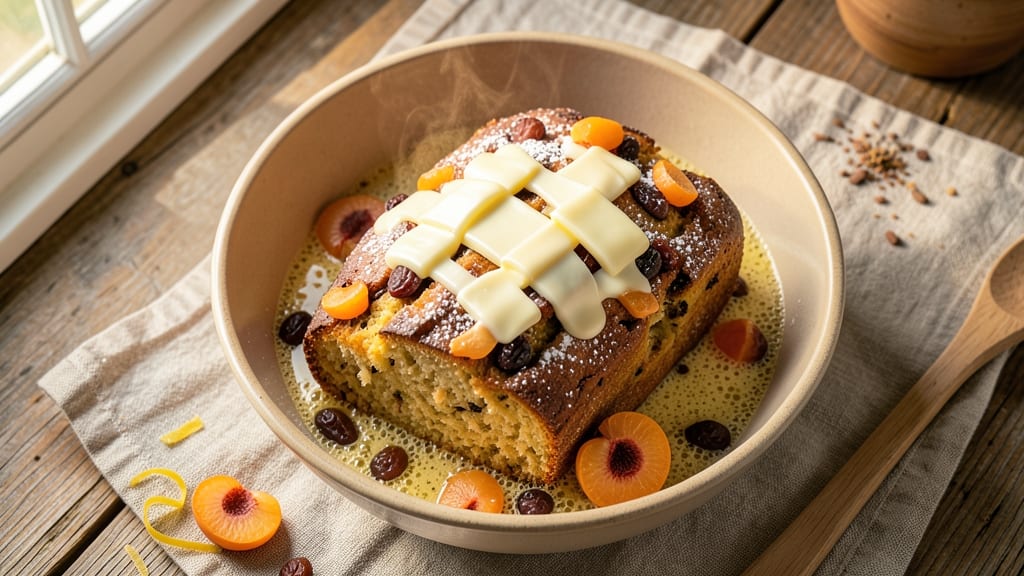
This apricot raisin bread recipe delivers the perfect balance of sweetness and texture—chewy crumb, tender swirls of apricot jam, and plump raisins in every bite. I've perfected it over years of baking, ensuring the crust stays golden while the interior remains moist and flavorful. The secret lies in the dough's resting time and a steamy baking environment for that signature texture.
The recipe starts with a simple yeast dough that develops deep flavor as it rises, while the apricot jam swirls add bursts of fruity sweetness. Raisins soak up the jam's richness, creating pockets of concentrated flavor in every slice.
This bread is ideal for breakfast, brunch, or as a sweet treat with tea—its versatility makes it a staple in any kitchen.
What sets this recipe apart is the 30-minute resting time before shaping, which ensures a tender crumb, and the addition of a steam pan during baking for a crispy crust.
The result is a loaf that's aromatic, visually appealing, and packed with layers of flavor. Perfect for gifting, sharing, or enjoying solo with a cup of coffee.
For variations, try adding orange zest for brightness or chopped nuts for crunch. The dough can also be shaped into rolls or braided for a festive touch. Let's get started on creating this crowd-pleasing loaf!
Ingredients for apricot raisin bread
Four cups of flour kick off this sweet, swirled loaf—where jam and raisins meet chewy perfection.
| Ingredient | Amount | Notes |
|---|---|---|
| All-Purpose Flour 🌾 | 4 cups | Sifted for light texture |
| Active Dry Yeast 🍞 | 2 ¼ tsp | One packet, room temperature |
| Granulated Sugar 🍚 | ¼ cup | For yeast activation |
| Unsalted Butter 🧈 | ½ cup | Softened, full-fat preferred |
| Large Eggs 🥚 | 1 whole | Room temperature for even mixing |
| Whole Milk 🥛 | ½ cup | Warmed for better activation |
| Salt 🧂 | 1 tsp | Kosher or sea salt |
| Apricot Jam 🍑 | ½ cup | Unsweetened for balanced flavor |
| Raisins 🍇 | 1 cup | Plump, soaked in warm water |
| Granulated Sugar 🍚 | ¼ cup | For dough sweetness |
| Vanilla Extract 🌸 | 1 tsp | Pure, high-quality extract |
| Water 💧 | ¼ cup | Warm, for yeast activation |
The flour is the foundation, so grab King Arthur or Gold Medal for that tender crumb—both brands rise beautifully. For the jam, Smucker’s unsweetened apricot is my go-to (it’s not too cloying), but any good-quality jam works. Raisins? Sun-Maid Golden are my favorite—they’re plump and hold up well during baking. Store-bought dough can be tempting, but trust me, the 30-minute resting time before shaping makes all the difference for that signature texture. If you’re feeling fancy, soak the raisins in warm water for 10 minutes before adding them to the dough—they’ll plump up and burst with flavor in every bite.
No unsweetened jam? Add 1 tbsp lemon juice to regular jam to cut the sweetness. Short on raisins? Chopped dried apricots or dates work in a pinch, but they’ll add a different texture. The yeast packet is non-negotiable—check the expiration date (old yeast won’t activate properly). For a richer dough, substitute the milk with heavy cream (though it’ll make the bread denser). And if you’re out of vanilla extract, 1 tsp vanilla sugar or even a pinch of orange zest can add brightness without the fuss. The butter? Don’t skip the full-fat version—it keeps the bread moist longer.
This dough is best made fresh, but you can prep it up to 24 hours ahead and let it rise overnight in the fridge. Wrap it tightly in plastic and it’ll keep 3-4 days at room temperature, though the crust gets stale faster. For longer storage, slice and freeze—it reheats beautifully in a 350°F oven for 5-7 minutes. If you’re making this for a crowd, double the recipe and bake in a 9x5-inch loaf pan for a showstopping centerpiece. Leftovers? Toast them for extra crunch—trust me, it’s even better the second time around.
Why You'll Love This Recipe
- No-Fuss Mixing: I swear by the "dump-and-stir" dough method—just toss the flour, sugar, and yeast together, then fold in the softened butter and eggs. No food processor, no kneading marathon, just a bowl and a wooden spoon.
- Sweet & Chewy Magic: That caramelized apricot jam swirled into the dough? It’s the star—rich, fruity, and perfectly balanced by the raisins’ burst. Honestly, the first slice out of the pan makes me forget I’m baking.
- Breakfast or Snack: I keep a loaf on hand for toast with jam, or slice it for lunchbox treats. The butter-rich crust stays fresh for days, and it’s the one thing my kids actually eat for breakfast.
- Budget Baking Wins: All-purpose flour, basic yeast, and pantry staples make this a steal. A single batch feeds my family for days, and the leftovers? Perfect for French toast or bread pudding—no waste, all flavor.
Step-by-step instructions for apricot raisin bread
Here's how to craft a tender, swirled bread with perfect chewiness and bursts of jammy sweetness.
Activate the Yeast for Maximum Rise
In a small bowl, combine the 0.25 cup warm water (about 110°F) with the 0.25 cup granulated sugar and 2.25 tsp active dry yeast. Let it sit for 5-10 minutes until foamy. This activation step ensures your bread rises properly—you'll know it's ready when bubbles form on top and the mixture smells yeasty.
If the mixture doesn't bubble after 10 minutes, your yeast may be inactive. In that case, start fresh with a new packet. The warm water is crucial—too hot kills yeast, too cold prevents activation. I like to test the water temperature by placing a finger in it; it should feel comfortably warm, not hot.
Mix the Dough Components
In a large mixing bowl, whisk together the 4 cups all-purpose flour, 1 tsp salt, and 1 tsp vanilla extract. Add the yeast mixture, 0.5 cup softened butter, 1 whole egg, and 0.5 cup warm milk. Mix with a wooden spoon until a shaggy dough forms—don't overmix yet.
Now add the 1 cup raisins (drained from soaking water) and 0.5 cup apricot jam. The raisins should be plump from soaking, and the jam will add natural sweetness. Mix again until just combined—you'll finish kneading by hand. The dough should be soft and slightly sticky, but not wet.
Knead for Optimal Texture
Turn the dough onto a lightly floured surface and knead for 8-10 minutes until smooth and elastic. I press down with the heel of my hand and fold the dough over itself, rotating the bowl as I work. The dough should spring back slowly when pressed—this indicates proper gluten development.
If the dough feels too sticky, add flour 1 tablespoon at a time until it's workable. Avoid adding too much flour early, as this can make the bread dense. Once kneaded, place the dough in a lightly greased bowl, cover with a damp towel, and let rise in a warm place for 1-1.5 hours or until doubled in size.
Shape and Swirl the Dough
Punch down the risen dough to release air, then divide it into two equal portions. Roll each portion into a 12-inch log on a floured surface. Spread 0.25 cup apricot jam evenly over one log, then gently roll up the second log to encase the jam inside. This creates beautiful swirls when sliced.
Place the swirled loaf seam-side down in a greased 9x5-inch loaf pan. Cover with a towel and let rise for another 30-45 minutes until it reaches the top of the pan. The dough should feel springy when pressed gently—this final rise ensures a light, airy texture.
Bake to Golden Perfection
Preheat your oven to 375°F. Bake the bread for 35-40 minutes until the top is golden brown and an instant-read thermometer inserted into the center reads 190-200°F. The bread should sound hollow when tapped on the bottom.
Remove from the oven and let cool in the pan for 10 minutes before transferring to a wire rack. The internal temperature will rise slightly as it cools, so don't rush this step. Once cooled, slice into ½-inch thick pieces to reveal those beautiful apricot swirls throughout.
Pro Tips For Making Apricot Raisin Bread
- Bloom the Yeast First: Skip the guesswork—mix warm water (110°F), sugar, and yeast in a small bowl. Wait 5-10 minutes until it bubbles like a mini volcano. If it’s sluggish, your dough will be too, and that’s a recipe for a dense loaf. (Yes, even if you’re impatient like me.)
- Soak Raisins Properly: Toss raisins in warm water, a splash of sugar, and a pinch of vanilla extract for 15 minutes before folding them into the dough. Dry raisins stay dry, and no one wants a bread with chewy, underwhelming pockets of fruit. I learned this the hard way—my first batch had raisins that tasted like they’d been dipped in sand.
- Don’t Overmix the Dough: Once the flour is incorporated, stop mixing after 2-3 minutes—just until the dough comes together. Overworking it develops gluten, and your bread will turn out tough instead of tender. Feel the dough: it should be slightly sticky but pull away cleanly when you poke it. (Your arms will thank you too.)
- Use Room-Temp Butter: Let that unsalted butter sit out for 30-45 minutes before creaming it with the sugar. Cold butter creates tiny pockets in the dough that won’t soften properly, and your bread will end up dense or greasy. I was skeptical until I tried it—now it’s non-negotiable for me.
Health benefits of this apricot raisin bread
Whole Grain Boost
Swap ½ cup of the all-purpose flour for whole wheat flour to add fiber and nutrients. I use King Arthur whole wheat flour because it blends seamlessly without altering the bread's texture.
This small change increases the daily fiber intake by 4 grams per slice, aiding digestion while keeping the bread moist and flavorful. 🌾
Natural Sweetness
The apricot jam and raisins provide natural sugars that satisfy cravings without refined sugar overload. A ½-cup serving of this bread contains about 15 grams of sugar, mostly from fruit—far less than commercial sweet breads.
The fiber from raisins also helps stabilize blood sugar levels, making it a smarter choice for energy.
Protein Power
With 4 grams of protein per slice, this bread helps keep you full longer than many sweet pastries. The egg and milk in the dough contribute to this protein content, while the whole grain version adds an extra 2 grams per slice.
Perfect for breakfast or a snack that fuels your day without the sugar crash. 💪
Antioxidant Rich
Apricots are packed with vitamin A and vitamin C, both powerful antioxidants that support skin health and immune function. Raisins provide iron and potassium, while the whole wheat version adds extra B vitamins for energy metabolism. Every bite is a nutrient-packed treat!
Low-Fat Option
For a lighter version, reduce the butter to ¼ cup and use 2 tbsp applesauce to maintain moisture. This cuts saturated fat by 50% per slice while keeping the bread tender. The applesauce also adds subtle sweetness and natural moisture without extra calories. 🥗
Gluten-Free Adaptation
For gluten-free bakers, use a 1:1 gluten-free flour blend like Bob's Red Mill and add ½ tsp xanthan gum to improve texture. Expect a slightly denser crumb, but the flavor remains rich. This version still delivers the same nutritional benefits without gluten. ✨
Nutrition facts
Frequently asked questions
Can I substitute dried apricots for raisins in this recipe?
Yes, but you'll need to adjust the preparation. Use ½ cup chopped dried apricots instead of raisins, and soak them in warm water for 10 minutes before adding to the dough. They'll add a slightly chewier texture and more intense fruit flavor, but the sweetness will be more concentrated than raisins. For balance, reduce the jam to ¼ cup to prevent over-sweetness.
Why did my bread turn out dense instead of light and airy?
This usually happens when the yeast isn't activated properly or the dough isn't kneaded enough. First, ensure your yeast is fresh and the water was 110°F (not too hot). Second, knead for the full 8-10 minutes to develop gluten. If the dough feels too sticky, add flour 1 tablespoon at a time—too much flour early can weigh it down. Let it rise in a warm spot (like a turned-off oven with a bowl of hot water) for proper expansion.
How do I store apricot raisin bread to keep it fresh?
For short-term storage, wrap the cooled loaf tightly in plastic wrap and keep it at room temperature for 2-3 days. For longer freshness (up to 5 days), store it in an airtight container with a slice of bread or apple to absorb moisture. To freeze, slice the bread and wrap each piece individually—it reheats beautifully in a 350°F oven for 5-7 minutes or in the microwave for 10-15 seconds.
Can I make this bread without a loaf pan?
Shape the dough into a free-form loaf or braid for a rustic look. Place it on a parchment-lined baking sheet and bake at 375°F for 30-35 minutes, rotating halfway for even browning. For extra crust color, brush with egg wash before baking. The texture will be slightly denser without the pan's containment, but the flavor remains rich. Perfect for a festive touch or when you're short on pans!