
Breakfast & Brunch
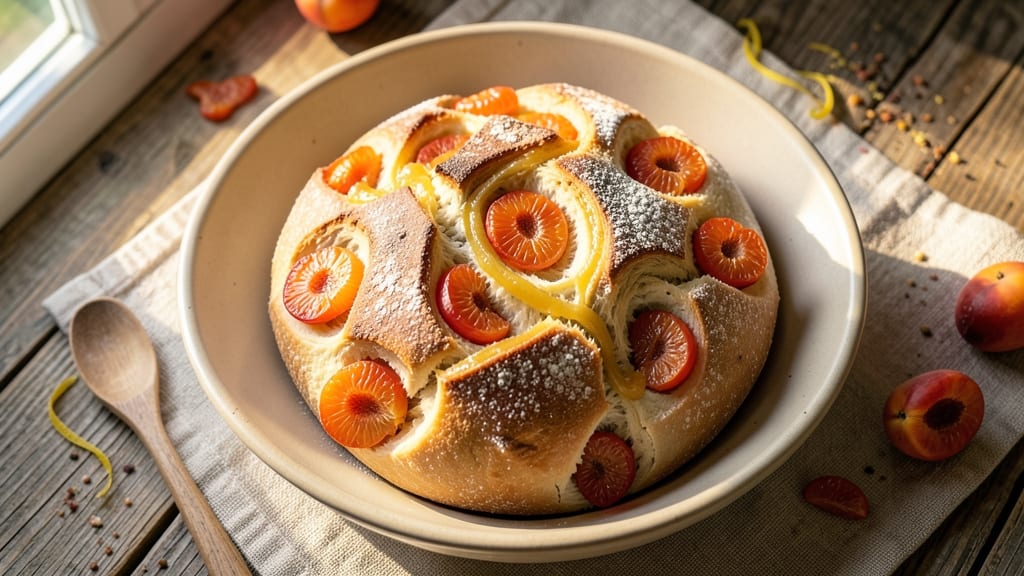
This apricot yeast bread recipe transforms a simple loaf into a fragrant, golden masterpiece with bursts of sweet fruit in every bite. The secret lies in balancing tender dough with a rich apricot filling that caramelizes beautifully during baking, creating a crust that's both crisp and slightly chewy.
I've perfected this technique over years of baking, ensuring the yeast activates properly and the fruit swirls stay gooey—not dry—without overpowering the bread's natural flavor.
The process begins with a straightforward dough that requires just a few key ingredients: warm milk, active yeast, and a touch of honey to feed the fermentation. While the dough rises, you'll prepare the apricot filling using fresh or dried fruit, sugar, and a splash of lemon juice for brightness.
The shaping technique is simple but critical—rolling the dough into a rectangle and spreading the filling evenly ensures even distribution and a professional-looking swirl pattern.
By the time it emerges from the oven, you'll have a loaf with a golden-brown crust that crackles with each slice, revealing tender crumb studded with pockets of jammy apricot.
The aroma alone will fill your kitchen with warmth, and the contrast of sweet fruit against the bread's subtle sweetness makes this perfect for breakfast, dessert, or a special occasion treat. This recipe delivers restaurant-quality results with minimal effort—ideal for both beginners and experienced bakers.
For extra shine, brush the cooled loaf with a simple egg wash or honey glaze. The bread keeps well at room temperature for 2-3 days, making it perfect for meal prep or gifting.
Whether you're baking for a crowd or treating yourself, this apricot yeast bread is a showstopper that's impossible to resist.
Ingredients for apricot yeast bread
Eight simple ingredients transform into a fragrant, golden apricot bread with tender crumb and jammy swirls.
| Ingredient | Amount | Notes |
|---|---|---|
| All-Purpose Flour 🌾 | 5 cups | Spooned and leveled for accuracy |
| Active Dry Yeast 🍞 | 2 ¼ tsp | Ensure yeast is fresh (test in warm water) |
| Granulated Sugar 🍚 | ¼ cup | White or light brown preferred |
| Unsalted Butter 🧈 | ½ cup | Cold, cubed for dough |
| Warm Whole Milk 🥛 | 1 ¼ cups | 110°F for yeast activation |
| Large Egg 🥚 | 1 whole | Room temperature for mixing |
| Salt 🧂 | 1 tsp | Diamond Crystal preferred |
| Honey 🍯 | 2 tbsp | Wildflower for floral notes |
| Fresh Apricots 🍑 | 1 ½ cups | Pitted and sliced (or dried apricots) |
| Lemon Juice 🍋 | 1 tbsp | Freshly squeezed for brightness |
| Light Brown Sugar 🍚 | ¼ cup | Packed for filling |
| Ground Cinnamon 🌿 | 1 tsp | Freshly ground preferred |
| Large Egg Yolk 🥚 | 1 whole | For egg wash |
| Coarse Sugar 🍚 | 2 tbsp | For sprinkling on crust |
The flour is the foundation—King Arthur or Gold Medal work best for that tender crumb. If your yeast isn't fresh, test it in warm water with a pinch of sugar (should foam within 5 minutes). The honey feeds the yeast while adding subtle floral notes—don't substitute maple syrup, which can alter fermentation. For the apricots, fresh is ideal, but dried apricots (soaked in warm water) work perfectly if you're short on time. Look for organic apricots at Whole Foods or your local farmers market for the best flavor.
No fresh apricots? Dried apricots (chopped) or even apricot jam (thinned with lemon juice) work beautifully. The brown sugar in the filling caramelizes beautifully during baking, so don't skip it. For extra shine, brush the cooled loaf with honey glaze (equal parts honey and warm water) instead of egg wash. The cinnamon is optional but adds warmth—if you prefer a cleaner flavor, omit it. For a richer dough, add 1 tbsp sour cream to the dough mixture, but it's not necessary.
This bread keeps well at room temperature for 3-4 days in an airtight container, but it's best enjoyed fresh. For longer storage, wrap tightly in plastic and freeze for up to 3 months. To reheat, warm slices in a 350°F oven for 5-7 minutes until crispy. The filling stays gooey when properly balanced—don't overfill the dough, or it'll leak during baking. If you're making this ahead, shape the loaf and refrigerate overnight for a more flavorful rise.
Why You'll Love This Recipe
- No-Knead Magic: Honestly, this bread takes zero effort—just mix the warm milk, yeast, and sugar, let it sit while you fold in the flour and butter, then bake. My hands stay clean, my kitchen stays quiet, and the smell alone makes it worth it.
- Sunshine in Every Bite: That apricot jam swirled into the dough? It’s like a hug for your taste buds—sweet, tangy, and just enough to make plain bread feel special. The butter keeps it rich without being heavy, and the crust? Perfectly crisp.
- Breakfast to Brunch: Between us, this bread is my lazy weekend hero. Toast it for breakfast with jam and butter, tear it into croutons for salads, or serve it warm with soup. It’s the one loaf that does it all—no excuses.
- Budget-Friendly Staple: Flour, yeast, milk, butter—these are pantry basics that won’t break the bank. A single batch feeds my family for days, and the leftovers? Even better the next day, lightly toasted with a smear of that same apricot jam.
Step-by-step instructions for apricot yeast bread
Master this recipe and you'll achieve a tender, golden crust with sweet apricot swirls that stay moist for days.
Activate the Yeast and Prepare the Dough
In a small bowl, combine the 2.25 teaspoons active dry yeast with the 1.25 cups warm whole milk (about 110°F) and 2 tablespoons honey. Let this sit for 5-10 minutes until it becomes frothy and bubbly—this confirms your yeast is alive and ready to work. If it doesn't bubble, your yeast may be old or your milk too hot.
In a large mixing bowl, whisk together the 5 cups all-purpose flour, 1 teaspoon salt, 0.25 cup granulated sugar, and 1 teaspoon ground cinnamon. Make a well in the center and pour in the yeast mixture along with the 0.5 cup cold cubed unsalted butter and 1 whole large egg. Mix with a wooden spoon until a shaggy dough forms, then turn it out onto a lightly floured surface.
Knead the Dough Until Silky Smooth
Knead the dough for 8-10 minutes by hand (or 5-6 minutes in a stand mixer with a dough hook) until it becomes smooth and elastic. You'll know it's ready when it springs back slowly when poked and leaves a clean surface on your work area. If the dough feels too sticky, add flour 1 tablespoon at a time—but don't overdo it or your bread will be dense.
Place the dough in a lightly greased bowl, cover with a damp towel, and let it rise in a warm place for 1-1.5 hours, or until it doubles in size. The dough should feel light and airy when pressed gently—this indicates proper fermentation. If your kitchen isn't warm enough, place the bowl near a turned-off oven with the light on to maintain warmth.
Prepare the Apricot Filling and Shape the Loaf
While the dough rises, prepare the apricot filling by combining the 1.5 cups fresh apricots (pitted and sliced), 1 tablespoon lemon juice, and 0.25 cup light brown sugar in a small bowl. Mix well and set aside. This brightens the apricots and balances their natural sweetness.
Once the dough has risen, punch it down to release air, then roll it out on a floured surface into a 12x16-inch rectangle (about ¼-inch thick). Spread the apricot mixture evenly over the dough, leaving a ½-inch border around the edges. Starting from the long side, tightly roll the dough into a log, sealing the seam to prevent filling from leaking during baking.
Proof and Bake for a Crispy Crust
Place the rolled dough seam-side down in a greased 9x5-inch loaf pan. Cover loosely with plastic wrap and let it rise again for 30-45 minutes until it domes slightly above the pan. Preheat your oven to 375°F while the dough proofs—this ensures even baking from the start.
Brush the top of the dough with the 1 whole large egg yolk mixed with 1 tablespoon water for a glossy finish, then sprinkle generously with 2 tablespoons coarse sugar. Bake for 35-40 minutes until the bread reaches an internal temperature of 190-200°F and the top is deep golden brown with a crisp crust. Tap the bottom—it should sound hollow when done.
Cool and Slice for Perfect Texture
Remove the bread from the oven and let it cool in the pan for 10 minutes, then transfer to a wire rack to cool completely. This resting period allows the moisture to redistribute, preventing a gummy crumb. For the best texture, slice the bread 1 hour after baking—this ensures clean cuts and maximum flavor from the apricot filling.
The result should be a beautifully domed loaf with a shatteringly crisp crust and tender, moist crumb studded with juicy apricot swirls. Store wrapped at room temperature for 2 days or freeze for up to 3 months—the flavors only deepen over time.
Pro Tips For Making Apricot Yeast Bread
- Bloom Yeast in Milk: Skip the water—yeast wakes up faster in warm milk (105–110°F), and the fat coats the dough for a softer crumb. Let it sit 5–7 minutes until foamy, or your bread might rise sluggishly.
- Cut Cold Butter: Chill the butter first, then cube it into ½-inch pieces. This keeps the dough from overworking and ensures tender layers—no greasy mess when mixing.
- Don’t Overmix Apricots: Fold in chopped apricots gently after kneading; rough handling turns them to mush. A spoonful of flour tossed with them first keeps texture intact.
- Proof at Room Temp: Let the dough rise in a draft-free spot (70–75°F) until it’s just over double—about 1.5–2 hours. Overproofing makes the apricot flavor dull and the bread dense.
Common mistakes when making this dish
Yeast Overproofing
One of the most common mistakes is letting the dough rise too long, which results in a dense, flat loaf with poor flavor. The dough should double in size within 1-1.5 hours—if it takes longer, your kitchen may be too cold or the yeast could be old.
I’ve seen beginners leave dough out overnight, thinking more time equals better flavor, but overproofed dough collapses when baked. Always check for a light, airy texture when pressing gently—it should spring back slowly. 🌡️
Uneven Filling Distribution
Skipping the ½-inch border when spreading the apricot filling can cause leaks during baking, leading to a messy crust and uneven texture. I’ve had to salvage loaves where filling oozed out because the dough was overstuffed.
Spread the filling evenly and roll tightly—if the seam opens, seal it with a dab of egg wash. For extra insurance, chill the shaped loaf for 15 minutes before final proofing to help it hold together.
Incorrect Milk Temperature
Using milk that’s too hot (120°F+) kills the yeast, while milk that’s too cold (90°F-) slows activation. The ideal range is 110°F, warm enough to melt butter but not scald the yeast. I test temperature with a kitchen thermometer—no guesswork!
If your milk isn’t warm enough, place the bowl in a warm oven (100°F) for 5 minutes to gently heat it. Cold milk is a silent killer of fermentation.
Skipping the Rest Period
Cutting into bread too soon traps steam inside, making the crumb gummy. I’ve seen home bakers impatiently slice into loaves after 10 minutes of cooling, only to find a sticky mess.
Always let the bread cool in the pan for 10 minutes, then transfer to a rack for 1 hour before slicing. This ensures the filling sets properly and the crust crisps fully. Patience here makes all the difference! ⏰
Overmixing the Dough
Mixing the dough too vigorously develops too much gluten, resulting in a tough, chewy texture instead of the tender crumb we want. Once the shaggy dough forms, knead just until smooth (8-10 minutes by hand).
Overmixing is a common mistake when using stand mixers—I’ve had to start over after 15 minutes of mixing, only to end up with bread that feels like a hockey puck. Stop when the dough pulls away cleanly from the bowl.
Ignoring the Egg Wash
Skipping the egg wash or using too little leads to a dull, dry crust instead of the glossy, golden finish we crave. The 1 egg yolk + 1 tablespoon water creates a thin, even coat that promotes browning and shine.
I’ve baked loaves without it, and while they’re still tasty, they lack that professional bakery appeal. Brush generously—don’t be shy! The sugar sprinkle on top caramelizes beautifully with the wash, creating extra crunch. 💛
Nutrition facts
Frequently asked questions
Can I substitute dried apricots for fresh in this recipe?
Yes! Use 1 cup dried apricots instead of fresh, chopped into small pieces. Soak them in warm water for 10 minutes to soften, then drain well before mixing with the sugar and lemon juice. The texture will be slightly chewier but still delicious. For extra moisture, add 1 teaspoon apricot jam to the filling mixture.
How do I know if my yeast is still active?
Test your yeast by mixing 2.25 teaspoons with ¼ cup warm milk (110°F) and 1 teaspoon sugar. If it bubbles and foams within 5-10 minutes, it's active. No bubbles? Your yeast is likely expired—replace it for proper rise. Always store yeast in the fridge to extend freshness.
Can I make this bread without a stand mixer?
This recipe works perfectly by hand. Knead the dough on a floured surface for 8-10 minutes until smooth and elastic. Press gently—it should spring back slowly when poked. For extra strength, use a rolling pin to press and fold the dough rather than just stretching it.
Why did my bread turn out dense instead of light and airy?
Dense bread usually means overproofing (dough rose too long) or using cold milk that didn't activate the yeast. Check your dough's rise time—it should double in 1-1.5 hours in a warm spot. Also verify your milk was 110°F (not scalding). For next time, try placing the dough bowl near a turned-off oven with the light on to maintain warmth.
Can I use whole wheat flour instead of all-purpose?
You can substitute 1-2 cups whole wheat flour for all-purpose, but expect a denser texture and nuttier flavor. Replace the whole wheat with 1 cup bread flour for better rise. For the filling, add 1 extra tablespoon lemon juice to balance the flour's heaviness. The crust may brown faster, so watch closely after 25 minutes of baking.