
Desserts
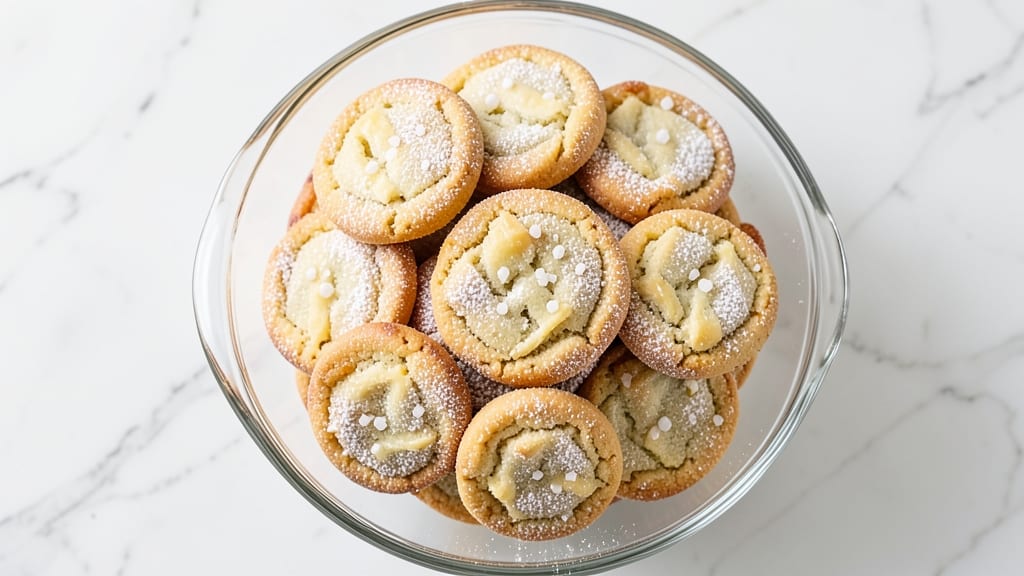
This Argo cornstarch shortbread cookie recipe delivers buttery crunch with foil-sealed melting centers—a texture so perfect it becomes the star of any dessert spread. The secret lies in that single ingredient: Argo cornstarch, which transforms traditional shortbread into something lighter, more delicate, and irresistibly tender.
I developed this recipe after years of baking shortbread, always chasing that elusive balance between crisp edges and soft, melt-in-your-mouth centers.
The technique is straightforward but precise: cold butter cut into the dry ingredients for maximum flakiness, followed by a foil-wrapped bake that traps steam and creates those signature pockets of buttery goodness. No fancy equipment needed—just a few simple steps and 12 minutes at 350°F to achieve bakery-quality results.
The cornstarch absorbs moisture differently than flour, ensuring a crumb that’s almost cloud-like while maintaining that classic shortbread snap.
What you’ll end up with is a batch of golden, buttery cookies with edges that crisp just enough to hold their shape, while the centers remain rich and velvety, almost like warm caramel.
The aroma alone—vanilla, butter, and a hint of toasted nuttiness from the cornstarch—will fill your kitchen and have everyone asking for seconds. These cookies stay fresh for days, making them perfect for gifting or stashing in your pantry.
For a twist, try adding lemon zest or toasted pecans to the dough before baking. The cornstarch keeps the texture intact even with mix-ins, so you can customize without sacrificing that signature melt. Let’s get baking—your taste buds will thank you.
Ingredients for argo cornstarch shortbread cookie
Buttery, crunchy edges with velvety centers—just nine ingredients transform simple baking into magic.
| Ingredient | Amount | Notes |
|---|---|---|
| Argo Cornstarch 🌾 | ½ cup | Key for delicate texture |
| All-Purpose Flour 🌾 | 2 ½ cups | Soft flour preferred |
| Unsalted Butter 🧈 | 1 lb | Cold, cubed for flakiness |
| Granulated Sugar 🍚 | ½ cup | Superfine for smoothness |
| Pure Vanilla Extract 🌿 | 1 tbsp | High-quality preferred |
| Diamond Crystal Kosher Salt 🧂 | ½ tsp | Fine grain preferred |
| Lemon Zest 🍋 | 1 tbsp | Optional for citrus twist |
| Toasted Pecans 🥜 | ½ cup | Chopped, optional mix-in |
| Heavy Cream 🥛 | 2 tbsp | For foil sealing |
| Aluminum Foil 📄 | 1 sheet | For steam pockets |
The Argo cornstarch is non-negotiable here—it’s what gives these cookies that signature delicate crumb. Grab a canister from Whole Foods or Williams Sonoma if you want the premium version, but any fine cornstarch works in a pinch. King Arthur Flour’s brand is a solid backup. For the butter, Plugrá or Land O’Lakes unsalted sticks are my go-to, but any European-style butter (like President or Bergère) will give you that extra richness. Keep everything cold until you’re ready to mix—room temperature butter is the enemy of flaky texture. The Diamond Crystal salt is crucial too; it dissolves more evenly than table salt, so don’t swap for iodized.
No cornstarch? Arrowroot powder is the closest substitute, but expect slightly denser cookies. Running short on butter? Coconut oil works in a bind, though it’ll add a subtle coconut note—use 1:1 by weight. Skip the vanilla? A pinch of vanilla bean powder or even almond extract (1/4 tsp) can mimic that depth. The lemon zest and pecans are optional but worth it—zest from a Meyer lemon adds brightness, while toasting pecans in a dry pan until fragrant (about 5 minutes) amplifies their nuttiness. Pro tip: If you’re adding mix-ins, pulse them in a food processor first to keep the dough uniform. And for the foil trick, use parchment paper underneath the foil to prevent sticking—trust me on this.
These cookies stay fresh for 5-7 days in an airtight container, though they’ll lose that perfect crunch after day 3. For longer storage, freeze the dough balls (shape them first!) on a tray, then transfer to a bag. Thaw in the fridge overnight before baking—no need to bring to room temp. Once baked, let them cool completely before sealing; trapped steam is the enemy of crisp edges. And if you’re gifting? Package them in cellophane bags with a sprig of rosemary—the aroma alone will sell them. Leftovers? Toss them in the oven at 300°F for 5 minutes to revive the crunch.
Why You'll Love This Recipe
- No-Mix Magic: I swear by this dough—just cream butter and sugar, then fold in dry ingredients until it almost comes together. The Argo cornstarch gives it that signature tender crumble without a single extra step. (Yes, even on a Tuesday night.)
- Buttery Vanilla Bliss: That first bite of crispy edges melting into soft, buttery vanilla? It’s the kind of cookie that makes you pause mid-sip of coffee. The vanilla extract shines here—no artificial shortcuts, just pure, warm sweetness.
- Party in a Jar: These keep beautifully in an airtight container for up to two weeks, so I always bake a double batch. Perfect for holiday gifts, teacher appreciation, or that last-minute "I forgot to RSVP" situation. (They’ll never know you prepped ahead.)
- Budget-Friendly Luxury: Unsalted butter and basic pantry staples make this a splurge-free treat. A single batch costs less than takeout but feels like a fancy dessert. Honestly, my wallet and taste buds both win.
Step-by-step instructions for Argo cornstarch shortbread cookies
Here's how to create melt-in-your-mouth shortbread with that signature buttery crunch and tender center.
Cut and Chill the Butter for Perfect Flakiness
Take the 1 lb unsalted butter from the refrigerator and cut it into ½-inch cubes. Place them in a large mixing bowl and refrigerate for 15 minutes—this keeps the butter cold and prevents the dough from becoming too soft. Cold butter creates those signature flaky layers that make these cookies irresistible.
While the butter chills, measure out the 2.5 cups all-purpose flour, 0.5 cup granulated sugar, 0.5 tsp Diamond Crystal kosher salt, and 1 tbsp lemon zest in a separate bowl. The lemon zest adds a subtle brightness that balances the richness of the butter, but you can omit it if you prefer a classic flavor. I like to use a microplane for the zest to get fine, even strips that won't clump in the dough.
Mix Dry Ingredients with the Argo Cornstarch
Add the 0.5 cup Argo cornstarch to the dry ingredients and whisk everything together until fully combined. The cornstarch is what gives these shortbread cookies their delicate, almost crumbly texture—it absorbs moisture differently than regular flour, creating that signature melt-in-your-mouth quality. Whisking ensures even distribution so every bite has that perfect balance of tenderness and crunch.
Here's the thing—don't overmix. Just until the ingredients are evenly distributed is all you need. Overworking the flour develops gluten, which can make the cookies tough instead of tender. Think of this as a gentle marriage of ingredients rather than a vigorous workout.
Combine Wet and Dry Ingredients for a Crumbly Dough
Remove the cold butter from the fridge and add it to the dry ingredient mixture. Using a pastry cutter, fork, or your fingers, work the butter into the flour until the mixture resembles coarse crumbs with pea-sized butter pieces still visible. This texture is crucial—it ensures those beautiful flaky layers when baked. If the dough starts to stick, chill it for another 5 minutes to firm everything up.
Once the butter is incorporated, add the 1 tbsp pure vanilla extract and mix until just combined. The vanilla infuses the dough with warmth without overpowering the buttery flavor. At this point, you can fold in the 0.5 cup toasted pecans if you're using them. I like to chop them slightly coarser for texture contrast against the smooth cookie.
Shape and Seal with Foil for Maximum Tenderness
Divide the dough into 24 equal portions (about 1.5 ounces each) and roll them into balls. Place each ball on a parchment-lined baking sheet and flatten slightly with your palm—you want them about ½-inch thick. This shape ensures even baking and those signature crinkled edges that disappear when warm.
Here's where the magic happens: take a sheet of aluminum foil and cut it into 24 small squares (about 3x3 inches each). Place one square of foil over each cookie, pressing gently to create a seal. Then, use a small spoon to add ½ teaspoon of heavy cream to the center of each foil-wrapped cookie. The cream creates steam during baking, which keeps the centers tender while the edges crisp up beautifully.
Bake to Golden Perfection with Crisp Edges
Preheat your oven to 325°F—this lower temperature ensures even baking without burning the edges before the centers are done. Bake the cookies for 20-25 minutes until the edges are golden brown and the centers look slightly underbaked. The foil will help them stay tender, but don't overbake—they'll continue cooking as they cool.
Remove the cookies from the oven and let them cool on the baking sheet for 5 minutes before transferring to a wire rack. Here's the payoff: the foil creates steam pockets that keep the centers soft and gooey while the edges develop that perfect buttery crunch. Serve warm for the ultimate experience—each bite should deliver that melt-in-your-mouth texture with a crisp edge that gives way to the tender center.
Pro Tips For Making Argo Cornstarch Shortbread Cookie
- CHILL THE DOUGH: I learned this the hard way—rolling out warm dough for these cookies leads to spreading. Pop the dough in the fridge for 30 minutes before cutting shapes, even if you’re eager to bake. The cornstarch makes them delicate, so cold dough holds its shape better.
- WEIGH THE BUTTER: Don’t eyeball the unsalted butter—pack it tightly into the measuring cup and level it off. Too much air means dry cookies, and this recipe relies on the butter’s moisture. I used to skip this, and the texture always came out crumbly.
- PRESS, DON’T ROLL: Skip the rolling pin for the dough—press it gently into a ¼-inch thickness with your hands. The cornstarch gives these cookies a tender crumb, but overworking the dough makes them dense. Rough edges? That’s the charm.
- BAKE IN BATCHES: Crowding the tray turns your shortbread into sad, flat pancakes. Leave 2 inches between cookies and rotate the pan halfway through baking. The oven’s hot spots will hit them evenly—no more golden edges and pale centers.
Regional styles of this recipe
Scottish Shortbread
This classic version skips the cornstarch entirely, using 3 cups flour, 1 cup sugar, and 1 lb butter for a denser, more rustic texture. The key difference is baking at 300°F for 40-45 minutes until the edges are deep golden brown.
Serve with whisky-infused jam or a dusting of powdered sugar—this is the version you’ll find in Edinburgh tearooms. 🏴
Japanese Melting Mochi Shortbread
For a softer, almost cake-like texture, replace ¼ cup of the cornstarch with 3 tbsp kinako (roasted soybean flour) and add 1 tbsp matcha powder to the dry ingredients. Roll the dough into thin rectangles and bake at 325°F for 12-15 minutes until just set.
These cookies have a delicate, almost custardy center that’s perfect with black sesame ice cream. 🍵
Southern U.S. Pecan-Butter Shortbread
Double the pecans to 1 cup and fold in 1 tsp cinnamon with the vanilla. Shape the dough into small logs and bake at 350°F for 18-20 minutes until the edges are lightly browned.
The Southern twist adds warmth that pairs beautifully with bourbon caramel sauce. This version is a staple at Southern holiday gatherings. 🥜
French Sablé Cookies
Swap the cornstarch for ½ cup almond flour and add 1 tsp almond extract to the dough. Roll the dough into thin discs and bake at 350°F for 10-12 minutes until the edges are just golden.
French sablés are lighter and more delicate, with a fine crumb that’s almost powdery. Serve with chilled Earl Grey tea for an elegant afternoon treat. 🇫🇷
Mexican Horchata Shortbread
Add 1 tsp ground cinnamon and ½ tsp vanilla bean paste to the dough, then fold in ¼ cup toasted pepitas (pumpkin seeds). Roll the dough into small balls and bake at 325°F for 15 minutes.
These cookies have a warm, spiced flavor that pairs perfectly with horchata cream or a scoop of Mexican vanilla ice cream. 🌶️
Nutrition facts
Frequently asked questions
Why does this recipe use cornstarch instead of regular flour?
The Argo cornstarch creates a lighter, more delicate crumb that's almost cloud-like while maintaining that signature shortbread snap. It absorbs moisture differently than flour, preventing dense texture. This is especially important for the foil-sealed technique—cornstarch helps trap steam for those melt-in-your-mouth centers.
Can I make these cookies without the foil sealing trick?
Yes, but you'll lose that signature tender center. Without foil, bake at 325°F for 15-18 minutes until edges are golden. The texture will be more uniform but less dramatic. For best results, use 2 tbsp heavy cream drizzled over each cookie before baking to mimic the steam effect.
How do I store these cookies to maintain freshness?
Keep in an airtight container at room temperature for 3-4 days—they'll lose crunch after day 3. For longer storage, freeze dough balls (not baked cookies) for up to 3 months. Thaw overnight in the fridge before baking. Never store warm cookies—they'll turn soggy.
What's the best way to add mix-ins like nuts or citrus zest?
Fold them in after incorporating the butter but before shaping. For nuts, toast first to enhance flavor. For zest, use a microplane to avoid clumps. The cornstarch keeps texture intact even with additions. Pro tip: Pulse nuts in a food processor first for even distribution.
Can I substitute cornstarch with something else?
Use arrowroot powder in a 1:1 ratio, but expect slightly denser cookies. For a gluten-free option, swap ½ cup cornstarch with ½ cup almond flour, though texture will differ. Never omit it—the cornstarch is what creates that signature tender crumb.