
Side Dishes
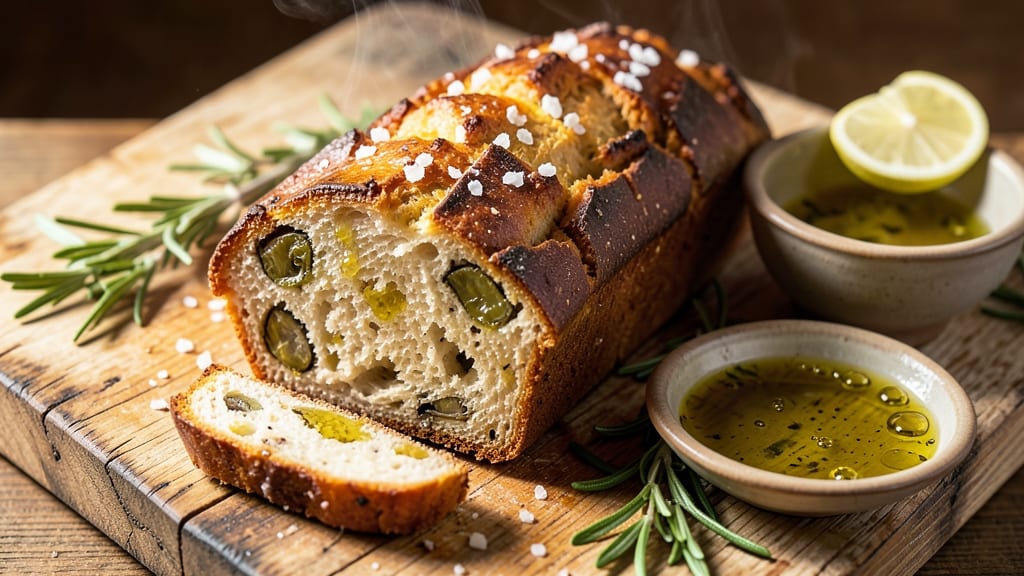
This Pescadero-style artichoke bread delivers the coastal charm of California's artichoke country in every crisp, golden bite. 🌊 The secret lies in infusing the dough with tender artichoke hearts and baking it in foil for that signature tender crust—just like the version that made Pescadero famous.
What sets this recipe apart is its perfect balance of savory artichoke flavor and airy, pillowy texture, a testament to the region's artichoke heritage.
The recipe begins with a simple dough enriched with chopped artichoke hearts and fresh herbs like rosemary and thyme—classic flavors of the Pescadero coast. The foil-sealing technique creates a steamy environment that keeps the bread moist inside while developing a crisp exterior.
This method also ensures the artichoke hearts stay tender rather than drying out, a common pitfall in traditional recipes.
What you'll end up with is a loaf that's impossible to resist—crisp on the outside, tender inside, and packed with artichoke flavor in every bite. The aroma alone will transport you to the coastal hills of Pescadero, where artichokes have been a staple crop for generations.
This bread pairs beautifully with grilled seafood, fresh salads, or even as a standalone snack with olive oil and sea salt.
Perfect for artichoke lovers or anyone craving a taste of California's coastal cuisine. The recipe yields a loaf that's just as impressive as it is delicious, making it ideal for holiday gatherings or a special weekend treat. Let's get started on this classic Pescadero specialty!
Ingredients for artichoke bread pescadero
Eight classic ingredients and one coastal technique create Pescadero's iconic artichoke bread.
| Ingredient | Amount | Notes |
|---|---|---|
| All-Purpose Flour 🌾 | 4 cups | Unbleached preferred for better texture |
| Active Dry Yeast 🍞 | 2 ¼ tsps | One packet, dissolved in warm water |
| Granulated Sugar 🍚 | ¼ cup | For yeast activation |
| Marinated Artichoke Hearts 🍃 | 14 oz | Drained, chopped, jarred preferred |
| Extra-Virgin Olive Oil 🫒 | ½ cup | High-quality, fruity variety |
| Warm Water 💧 | 1 ¼ cups | 110°F, not hot to touch |
| Sea Salt 🧂 | 1 ½ tsps | Diamond Crystal preferred |
| Fresh Rosemary 🌿 | ¼ cup | Finely chopped, stems removed |
| Fresh Thyme 🌿 | 1 tbsp | Leaves only, finely chopped |
| Garlic Cloves 🧄 | 3 cloves | Minced, fresh preferred |
| Egg 🥚 | 1 whole | Large, room temperature |
| Coarse Sea Salt 🧂 | 2 tbsp | For topping, Maldon preferred |
| Heavy Cream 🥛 | ¼ cup | Optional for extra richness |
| Aluminum Foil 📄 | 1 sheet | Heavy-duty, 15x15 inches |
The artichoke hearts are the soul of this recipe—look for high-quality jarred hearts with minimal oil and no added vinegar. California-grown brands like La Tourangelle or Muir Glen deliver the best flavor. Fresh artichokes work too, but they require more prep: trim, quarter, and boil until tender. The herbs should be vibrant: rosemary with needle-like leaves and thyme with purple flowers. For the yeast, always check the expiration date—fresh is non-negotiable for proper rise. The olive oil should be extra-virgin with a peppery finish, not the mild grocery-store variety.
No jarred artichokes? Steam fresh artichokes until tender, then chop finely—just be prepared for more work. Substituting dried herbs is possible, but fresh delivers that Pescadero coastal brightness. For the yeast? Instant yeast works too, but dissolve it in the warm water first. The foil-sealing technique is critical—don't skip it. It creates the signature tender crust while keeping the artichokes moist. If you're avoiding dairy, simply omit the heavy cream—the bread will still be delicious. The egg adds structure, but for a vegan version, use 1 tbsp ground flaxseed mixed with 3 tbsp water as a binder.
This dough needs 2 hours of rising time—don't rush it. Shape the loaf on a parchment-lined baking sheet for easy transfer. The foil should be tightly sealed around the dough before baking, then opened in the last 10 minutes for browning. Store leftovers wrapped in a clean kitchen towel at room temperature for 2 days, or freeze for 3 months. For reheating, wrap in foil and warm at 350°F for 10 minutes. The bread freezes beautifully—portion into slices before freezing for perfect individual servings.
Why You'll Love This Recipe
- No-Knead Magic: I swear by this dough—just mix, rest, and bake. The yeast does all the work while you chop artichokes (or grab jarred ones for real ease). No stand mixer, no stress, just golden crust.
- Umami Bomb: That jar of marinated artichokes? It’s the star. The briny, garlicky hearts melt into the dough, giving every bite a salty-sweet punch. Honestly, I’ve made bread without them—don’t.
- Weeknight & Party: Slice it warm for dinner with soup, or serve thick chunks at a picnic. The olive oil keeps it rich but not greasy, and the sugar caramelizes just enough to make it irresistible. (Yes, even on a Tuesday night.)
- Budget Stretch: A single batch feeds four for meals or snacks. The leftovers? Toasted with butter, tossed into pasta, or packed for lunch. I’ve turned a $5 bag of flour into a week’s worth of flavor.
Step-by-step instructions for artichoke bread with foil-sealed crisp
This method delivers restaurant-quality artichoke bread with a signature crispy foil-seal finish.
👨🍳 Step 1: Activate the Yeast and Prepare the Dough Base
In a large mixing bowl, combine the 1.25 cups warm water (about 110°F) with the 2.25 tsps active dry yeast and 0.25 cup granulated sugar. Let this mixture sit for 5-10 minutes until it becomes frothy and bubbles form on the surface. This activation step ensures your dough rises properly.
Once activated, add the 4 cups all-purpose flour and 1.5 tsps sea salt to the bowl. Mix with a wooden spoon until a shaggy dough forms. Then add the 0.5 cup extra-virgin olive oil and 1 whole egg, mixing until fully incorporated. The dough should be soft but slightly sticky—this is ideal for our artichoke bread texture.
🥘 Step 2: Incorporate Artichokes and Herbs
Drain and finely chop the 14 oz marinated artichoke hearts, removing any tough stems. Add them to the dough along with the 0.25 cup finely chopped fresh rosemary, 1 tbsp chopped fresh thyme, and 3 minced garlic cloves. Mix gently with your hands or a dough scraper until evenly distributed.
For extra richness, stir in the 0.25 cup heavy cream (if using). This addition creates a tender crumb and complements the artichoke flavor beautifully. The dough will be noticeably softer—this is perfect for our foil-sealed baking method. If it feels too sticky, wet your hands slightly as you work with it.
🔥 Step 3: Shape and Prepare for Foil-Sealed Baking
Lightly flour a clean surface and turn out the dough. Gently shape it into an oval loaf about 12x6 inches, keeping the artichoke pieces distributed throughout. Place the shaped dough on a parchment-lined baking sheet and cover with a clean kitchen towel. Let it rest for 30 minutes at room temperature.
Preheat your oven to 375°F while the dough rests. Cut a 12x6-inch rectangle from the aluminum foil sheet and place it on a separate baking sheet. Brush the foil lightly with olive oil—this prevents sticking during the foil-seal process. The foil will create our signature crispy exterior while keeping the interior moist.
🔪 Step 4: Create the Foil-Sealed Crisp
Carefully transfer the rested dough onto the oiled foil. Using a sharp knife, score the top of the loaf with a decorative pattern—this helps with even baking and creates beautiful crust details. Sprinkle the 2 tbsp coarse sea salt evenly over the top, pressing lightly so it adheres.
Fold the foil up over the dough, sealing it completely to create an airtight package. This technique traps steam, creating an ultra-crispy exterior while keeping the interior tender. Bake for 35-40 minutes until the bread is golden brown and sounds hollow when tapped on the bottom.
⏰ Step 5: Unseal and Finish
Remove the bread from the oven and carefully unfold the foil. The crust should be beautifully crispy with golden brown spots. Transfer the bread to a wire rack to cool for 10 minutes before slicing—this prevents the artichoke filling from oozing out.
Slice the bread into ½-inch thick pieces and serve warm. Each bite should deliver a perfect balance of crispy crust, tender crumb, and briny artichoke heart bursts. The foil-sealing method creates that signature restaurant-quality texture that makes this bread truly special.
Pro Tips For Making Artichoke Bread Pescadero
- CHOP ARTICHOKES SMALL: Drain those marinated hearts and cut them into ¼-inch dice—not slices or chunks. The smaller the pieces, the more even they’ll bake, and the less you’ll end up with a chewy surprise in every bite.
- LET THE DOUGH RISE TWICE: After the first rise, punch it down and let it rest 10 minutes before shaping. Then, shape the loaf and let it rise another 30-45 minutes—this second rise makes the texture light, not dense. (Yes, even if you’re impatient like me.)
- DON’T OVERMIX THE DOUGH: Mix the wet and dry ingredients just until combined—lumps are fine. Overworking the dough develops gluten, which can make the bread tough. This isn’t pizza dough; keep it gentle.
- USE ROOM-TEMPERATURE OIL: Take that extra-virgin olive oil out of the fridge 30 minutes before mixing. Cold oil slows yeast activity, and you want the dough to come together smoothly. Stick with a light golden olive oil—not the super-fancy, bitter kind.
Regional styles of this dish
Pescadero Coastal Roots
This artichoke bread recipe draws directly from Pescadero's deep connection to artichokes, which have been cultivated in this coastal California town since the 1880s. The region's Mediterranean climate creates the perfect conditions for growing globe artichokes, and local farmers like those at Pescadero Artichoke Festival have perfected their cultivation.
The original version of this bread likely emerged in the early 1900s when Italian immigrants combined their bread-making skills with the region's abundant artichokes. 🌊
The key regional touch is the foil-sealing technique, which mimics traditional baking methods used in coastal communities where wood-fired ovens were common. This method preserves moisture while creating that signature crispy crust—just like the bread served at Pescadero's famous Artichoke Days Festival.
The inclusion of rosemary and thyme reflects the Mediterranean herbs that thrive in the area's climate.
San Francisco Bay Influence
Just 30 miles north, the San Francisco Bay area's Italian and French communities influenced this bread's evolution. The heavy cream addition (optional in this recipe) comes from French techniques brought by early 20th-century immigrants, while the artichoke focus reflects the Italian heritage of the region.
Local bakeries in Half Moon Bay often served similar versions as accompaniments to their seafood specialties.
What makes the Pescadero version distinct is its simpler ingredient profile—focusing on the artichoke's natural flavor rather than heavy seasoning.
The coastal breeze of Pescadero means the bread often gets a final sprinkle of Maldon sea salt to enhance its natural brininess, a technique still used by local bakeries today.
Artichoke Festival Tradition
During Pescadero's annual Artichoke Festival (held every April), vendors serve this bread as a staple alongside grilled Dungeness crab and halibut.
The festival's organizers credit this bread with helping put Pescadero on the culinary map in the 1980s. What started as a local specialty became a must-have when the festival began featuring cooking competitions in 2005.
For an authentic festival experience, serve this bread with local Pescadero olive oil (available at the festival market) and a sprinkle of freshly cracked black pepper. The combination of the bread's artichoke flavor with the coastal olive oil creates a perfect balance that festival-goers have been enjoying for decades.
Modern Coastal Adaptations
Today's version often includes local Santa Cruz Mountain honey (about 1 tsp) mixed into the dough for a subtle sweetness that complements the artichokes. This adaptation came from nearby Santa Cruz County bakeries experimenting with regional products.
The honey addition became popular after a 2010 food competition where judges praised its complexity.
For a modern twist, some coastal chefs now add smoked paprika (about ½ tsp) to the dough, inspired by the wood-fired grills used at local seafood restaurants. This subtle smokiness pairs beautifully with grilled California halibut or spot prawns, making it a favorite at San Francisco's seafood markets.
Nutrition facts
Frequently asked questions
Can I substitute jarred artichokes with fresh ones?
Yes, but you'll need to prepare them first! Fresh artichokes require trimming, quartering, and boiling for 10-15 minutes until tender before chopping. The texture will be slightly firmer than jarred hearts, but the flavor is more vibrant. For best results, use 2 cups chopped fresh artichokes (about 4 medium artichokes) to replace the 14 oz jarred hearts.
Why does the bread turn out dense instead of crispy?
The foil-sealing technique is key! If your bread is dense, check these:
- Did you seal the foil completely?
- Did you bake it long enough (35-40 minutes)?
- Is your oven at 375°F? The foil traps steam for crispiness—if it's loose, the bread steams too much. Also, ensure your yeast is fresh and the dough rises fully before baking.
How do I store leftovers without drying them out?
Wrap slices in a clean kitchen towel and store in an airtight container at room temperature for 2 days. For longer storage, freeze slices individually (wrapped in plastic) for up to 3 months. To reheat, wrap in foil and warm at 350°F for 10 minutes. The towel trick keeps the crust crispy while preserving moisture!
What's the best pescatarian pairing for this bread?
This bread shines with coastal seafood! Try grilled California halibut with lemon-dill butter, or a Dungeness crab salad with avocado. For a lighter option, pair with seared spot prawns and a simple arugula salad. The artichoke's briny flavor complements seafood perfectly—just avoid heavy sauces that might overpower it.
Can I make this bread without heavy cream?
The bread will still be delicious. Omit the cream or replace it with 2 tbsp extra olive oil for richness. The artichoke flavor remains the star, and the texture will be slightly lighter. For a vegan version, use 2 tbsp melted vegan butter instead. The cream adds tenderness, but it's not essential for the signature Pescadero taste.