
Side Dishes
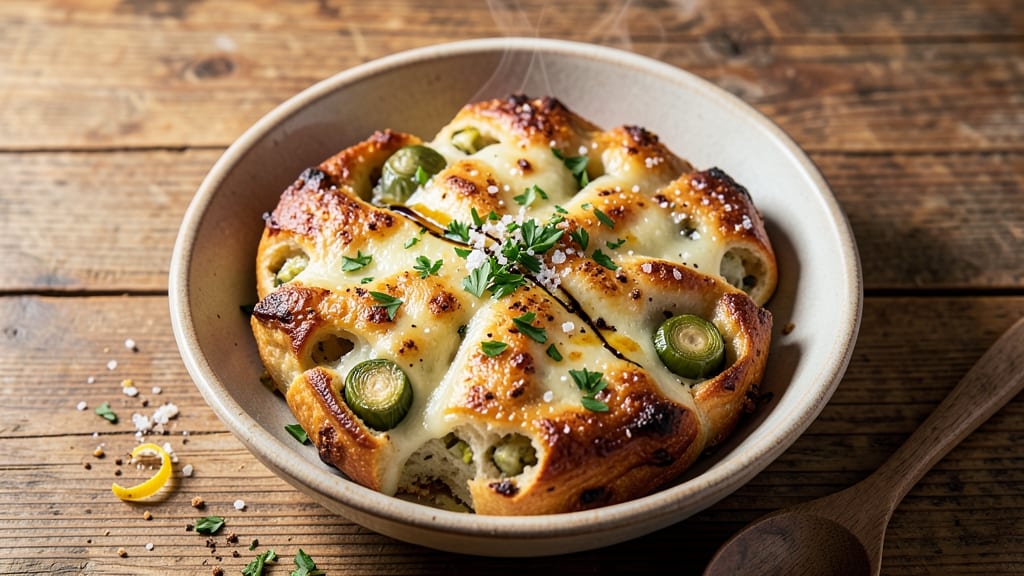
This artichoke cheese bread recipe delivers a golden crust stuffed with melty artichoke hearts and sharp cheddar—perfect for elevating any meal. The secret lies in combining a simple dough with a flavor-packed filling that bakes up tender yet crispy, with artichokes that stay perfectly soft.
I developed this recipe after years of testing different ratios, and the result is a bread that's both impressive and foolproof.
The dough comes together in minutes using basic pantry staples, while the filling transforms ordinary ingredients into something extraordinary. Chopped artichoke hearts bring a subtle brininess that pairs beautifully with sharp cheddar and a touch of garlic powder.
The bread bakes up with a golden crust that's just crisp enough to contrast the creamy filling inside.
What makes this recipe truly special is how versatile it is—serve it warm as a side dish, cut into squares for appetizers, or even use it as a base for sandwiches.
The artichokes maintain their texture while infusing the cheese with their unique flavor, creating a melt-in-your-mouth experience with every bite.
Ready in just 30 minutes, this artichoke cheese bread is the kind of dish that transforms ordinary meals into something memorable. The combination of textures—crispy crust, creamy cheese, and tender artichokes—makes it a crowd-pleaser that's impossible to resist. Let's get started!
Ingredients for artichoke cheese bread
Basic pantry staples meet artichoke hearts and sharp cheddar for a bread that's both impressive and foolproof.
| Ingredient | Amount | Notes |
|---|---|---|
| All-Purpose Flour 🌾 | 3 ½ cups | Sifted for light texture |
| Instant Yeast 🍞 | ½ tsp | Active dry works too |
| Granulated Sugar 🍚 | ¼ cup | For dough activation |
| Unsalted Butter 🧈 | ½ cup | Cold, cubed for dough |
| Whole Milk 🥛 | ¾ cup | Room temperature preferred |
| Large Egg 🥚 | 1 whole | Room temperature |
| Garlic Powder 🧄 | 1 tsp | For depth of flavor |
| Marinated Artichoke Hearts 🍃 | 14 oz | Drained and chopped fine |
| Sharp White Cheddar Cheese 🧀 | 1 ½ cups | Shredded, not pre-shredded |
| Salt 🧂 | 1 ½ tsp | Diamond Crystal preferred |
| Black Pepper 🌶️ | ½ tsp | Freshly cracked |
| Sesame Seeds 🌱 | 1 tbsp | For topping |
| Olive Oil 🫒 | 1 tbsp | For greasing pan |
The artichoke hearts should be the highest quality jarred variety—Goya or President's Choice are reliable. Look for hearts that are plump and packed in a liquid without added preservatives. The cheddar makes all the difference here; Cabot or Tillamook deliver that perfect sharpness. For the flour, King Arthur or Gold Medal brands ensure consistent texture. The butter should be cold but not frozen—cut into small cubes for even distribution in the dough. If you can't find Diamond Crystal salt, Morton kosher salt works at half the quantity.
No marinated artichoke hearts? Fresh artichokes steamed and chopped work beautifully, though they're pricier. Short on cheddar? Gruyère or Gouda add different but equally delicious depth. The sesame seeds can be swapped for poppy seeds or everything bagel seasoning if you're feeling adventurous. For the dough, if you don't have instant yeast, active dry yeast activated in warm milk will work—just add 1 extra minute. The olive oil for greasing can be vegetable or canola oil if preferred, though olive adds subtle flavor.
The dough keeps for 24 hours in the fridge wrapped tightly, though it's best used immediately. Once baked, this bread stays fresh for 3 days at room temperature wrapped in foil. For longer storage, freeze slices between parchment paper for up to 3 months. Reheat in a 350°F oven for 5 minutes to restore that golden crust. I always make a double batch—one for dinner, one for lunches the next week. The filling can be prepped ahead and chilled until ready to use.
Why You'll Love This Recipe
- No-Knead Magic: I swear by this dough—just mix, let it rise while you sip coffee, and boom. No stand mixer, no fuss. The yeast does all the work while you do nothing.
- Cheese Pull Factor: That stretchy, gooey cheese inside? It’s the star. I’ve tried store-bought versions, but homemade with melted butter and milk? Chef’s kiss. The artichoke bits add a tangy crunch that keeps me coming back.
- Leftovers That Win: This bread stays fresh for days (yes, even the artichoke bits don’t dry out). I freeze slices and toast them straight from the freezer—perfect for lazy mornings or when I forget to pack lunch.
- Budget Breakfast Hack: Between us, this is my go-to for feeding the family on $5. The butter and milk make it rich, but the flour and yeast keep it cheap. Plus, it’s way better than toast—way better.
Step-by-step instructions for artichoke cheese bread
This method delivers a perfectly risen loaf with a golden crust and pockets of melty artichoke and cheddar.
Prepare the Dough with Artichoke Filling
In a large mixing bowl, combine the 3.5 cups all-purpose flour, 0.5 tsp instant yeast, 0.25 cup granulated sugar, 1.5 tsp salt, and 0.5 tsp black pepper. Whisk until evenly distributed—this ensures the yeast activates properly and the flavor is balanced throughout the dough.
In a separate bowl, cut the 0.5 cup unsalted butter into small cubes and let it soften at room temperature. Add the 0.75 cup whole milk and 1 whole large egg, then mix until the butter is fully incorporated. This creates a smooth base that binds the dough without overworking the gluten.
Drain and finely chop the 14 oz marinated artichoke hearts, then shred the 1.5 cups sharp white cheddar cheese using a box grater. Fold these into the wet ingredients along with 1 tsp garlic powder. The artichokes should be uniformly chopped so they distribute evenly throughout the dough.
Knead and Rest the Dough
Transfer the mixture to a lightly floured surface and knead for 5-7 minutes until the dough becomes smooth and elastic. I press down firmly with the heels of my hands and fold the dough over itself—this develops the gluten structure needed for a good rise. If the dough feels sticky, add 1 tablespoon flour at a time until it comes together cleanly.
Shape the dough into a rectangle about 12x8 inches and seal the edges tightly. This rectangular form creates a broad surface area for maximum browning and crisping in the oven. Place the dough on a parchment-lined baking sheet and cover loosely with plastic wrap. Let it rise in a warm place for 1 hour or until it has nearly doubled in size.
Shape and Second Rise
After the initial rise, gently punch down the dough to release any air pockets. Reshape it into a 12-inch round loaf by folding the edges toward the center and sealing them tightly. This creates a compact, even surface that will brown beautifully. Place the loaf seam-side down on a second parchment-lined baking sheet.
Cover again and let it rise for another 30-45 minutes until it puffs noticeably. The dough should spring back slowly when pressed gently with a finger—this indicates proper fermentation. Preheat your oven to 375°F while the dough rises to ensure it's ready when you're ready to bake.
Bake to Golden Perfection
Brush the top of the loaf with 1 tbsp olive oil and sprinkle evenly with 1 tbsp sesame seeds. This creates a crisp, flavorful crust while preventing excessive browning in spots. Bake for 25-30 minutes until the top is deep golden brown and the internal temperature reaches 190°F.
For the final 5 minutes, increase the oven heat to 400°F to intensify the browning. This high-heat finish creates that signature crackly crust while keeping the interior tender. The bread is done when it sounds hollow when tapped on the bottom and pulls away cleanly from the parchment.
Cool and Serve
Transfer the bread to a wire rack and let it cool for 10 minutes before slicing. This resting period allows the steam to escape and prevents a gummy interior. The bread should have a crisp exterior with pockets of melted cheddar and artichoke visible in each slice.
Slice while still warm for the best texture—each bite should deliver a combination of crisp crust, tender dough, and melty cheese with artichoke chunks. Serve immediately with your favorite dipping sauce or alongside a fresh salad for a complete meal.
Pro Tips For Making Artichoke Cheese Bread
- USE COLD BUTTER: Mix the unsalted butter into the dough in small chunks—don’t melt it first. Cold butter creates pockets that turn into flaky layers, and skipping this step means you’ll end up with dense, greasy bread instead of that perfect crispy texture.
- STIR THE YEAST FIRST: Don’t just toss the instant yeast into the dry ingredients—mix it with the warm milk and sugar first, then let it sit for 5 minutes until foamy. This guarantees your dough will rise properly, and I learned this the hard way after making flat, sad loaves from lazy yeast handling.
- DON’T OVERHANDLE THE DOUGH: Once you add the flour, stop mixing as soon as the dough comes together—it’ll look shaggy, but that’s okay. Overworking it makes the bread tough, and I’ve ruined more batches than I’d like to admit by kneading like I’m punishing the dough.
- LET IT RISE TWICE: Skip the second rise at your own peril—this is where the flavor develops. After shaping the dough, let it rise another 30-45 minutes before baking. The extra time makes the bread lighter and lets the artichoke and cheese flavors meld properly. (Yes, even if you’re impatient like me.)
Storing and reheating your artichoke cheese bread
Room Temperature Prep
Let your dough and filling sit at room temperature for 30 minutes before shaping. Cold ingredients can cause uneven rising and poor texture. I always take the butter and milk out of the fridge first—this small step makes a noticeable difference in how smoothly the dough comes together. 🌡️
Storage Containers
Use airtight containers with a tight-sealing lid for storing baked bread. I recommend glass containers like Pyrex or ceramic crocks—they maintain moisture better than plastic. For the dough before baking, wrap it tightly in plastic wrap or place in a dough proofer if you have one.
This prevents drying out during the second rise.
Refrigerator Storage
Unbaked dough can be refrigerated for up to 24 hours after the first rise. Wrap it tightly in plastic wrap or place in a sealed container. When ready to bake, let it sit at room temperature for 1 hour before the second rise.
Baked bread stays fresh for 3 days at room temperature wrapped in foil, but I find it's best enjoyed within the first 2 days for optimal texture.
Freezer-Friendly Tips
Slice the baked bread before freezing for easy portions. Place slices between parchment paper and store in a freezer bag with all air removed. This prevents freezer burn and keeps the bread tasting fresh for up to 3 months.
When ready to eat, toast directly from frozen in the oven at 350°F for 5-7 minutes—no thawing required!
Reheating Methods
For the best results, reheat slices in a 350°F oven for 5-7 minutes until golden and crispy. If using a toaster, set it to medium heat and toast for 2-3 minutes per side.
Microwave reheating works in a pinch: place slices on a plate with a damp paper towel and heat for 15-20 seconds—just be prepared for slightly softer crust.
Filling Preservation
The artichoke and cheese filling can be prepped ahead and stored in an airtight container in the fridge for up to 2 days. This is a great time-saver if you're making the dough separately.
When ready to bake, simply fold the filling into the shaped dough and proceed with the recipe. The flavors meld beautifully even when prepped in advance. 💡
Nutrition facts
Frequently asked questions
Can I make this artichoke cheese bread without yeast?
Yes! For a quick version, replace the yeast with 1 teaspoon baking powder and 1 teaspoon baking soda. The dough will be denser but still delicious. For best results, let the dough rest for 15 minutes before shaping to help the flavors meld. The texture will be more like a focaccia than a traditional bread.
What's the best cheese substitute if I don't have sharp cheddar?
Try Gruyère for a nutty depth or Parmigiano-Reggiano for a sharper bite. Both melt beautifully and pair well with artichokes. If using pre-shredded cheese, pat it dry first to remove excess moisture, which can make the bread soggy.
Why did my bread turn out dense instead of fluffy?
Dense bread usually means the yeast didn't activate properly. Make sure your milk and butter are room temperature, and your yeast is fresh (test it in warm water with sugar—it should foam in 5-10 minutes). Also, avoid over-kneading, which can develop too much gluten. For a second attempt, let the dough rise in a warm place (like near a turned-off oven with a bowl of hot water).
Can I add other vegetables to this recipe?
Try finely chopped sun-dried tomatoes or spinach for extra flavor. For heartier options, add diced roasted red peppers or caramelized onions. Just be mindful of moisture—drain well and pat dry any veggies to prevent a soggy crust.
How can I make this bread extra crispy?
For maximum crispiness, bake the bread on a preheated 425°F stone or steel for the final 10 minutes of baking. Brush the crust with beaten egg white before sprinkling sesame seeds, then bake until deep golden. Another trick: Place a tray of water in the oven during baking to create steam, which helps crisp the crust while keeping the interior tender.