
Breakfast & Brunch
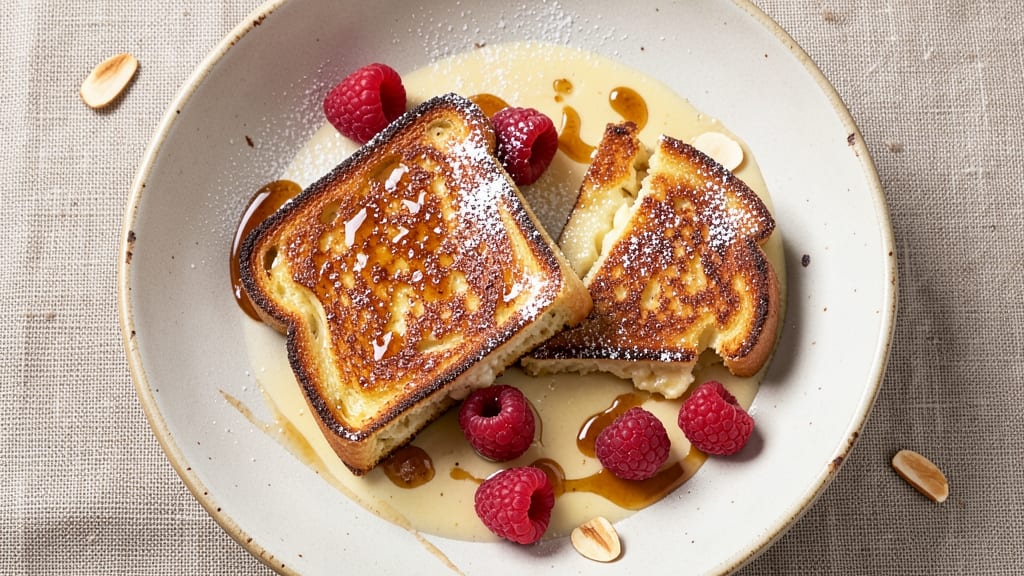
This artisan bread French toast recipe transforms stale baguettes into golden, crispy edges with foil-sealed juicy centers that practically melt in your mouth.
The secret lies in soaking thick slices of high-quality bread in a vanilla-infused custard—just long enough to absorb without falling apart—then achieving that perfect balance between caramelized crust and custardy interior through precise pan-frying.
What sets this apart from standard French toast is the technique: using a mix of eggs, cream, and vanilla extract creates a rich, velvety base, while the foil-sealing method during cooking traps steam for maximum moisture.
The result is a dish that feels indulgent yet remains balanced enough for breakfast or brunch without weighing you down.
By the time you're done, you'll have a stack of crispy French toast with a caramelized exterior and a juicy, custard-filled center that's impossible to resist.
The aroma alone will have everyone gathering around the table—it's that good. This recipe works beautifully with sourdough, brioche, or even leftover artisan loaves.
For extra flair, consider adding a cinnamon-vanilla twist, a boozy splash of bourbon or rum, or savory toppings like smoked salmon and cream cheese. The possibilities are endless, but the foundation—crispy outside, juicy inside—is foolproof. Let's get started!
Ingredients for artisan bread french toast
High-quality bread and precise custard ratios create the perfect crispy-yet-juicy artisan French toast.
| Ingredient | Amount | Notes |
|---|---|---|
| Stale Baguette 🍞 | 1 whole | Thickly sliced 1-inch pieces |
| Large Eggs 🥚 | 4 whole | Room temperature preferred |
| Heavy Cream 🥛 | ½ cup | Full-fat for richness |
| Vanilla Extract 🌿 | 1 tbsp | Pure Madagascar preferred |
| Granulated Sugar 🍚 | 2 tbsp | White or light brown |
| Unsalted Butter 🧈 | 2 tbsp | For pan-frying, cold |
| Aluminum Foil 📄 | 1 sheet | Heavy-duty preferred |
| Diamond Crystal Kosher Salt 🧂 | ½ tsp | For seasoning |
| Ground Cinnamon 🌶️ | ¼ tsp | Optional topping |
| Pure Maple Syrup 🍯 | ¼ cup | For serving |
| Freshly Ground Black Pepper 🌶️ | ⅛ tsp | For garnish |
| Lemon Zest 🍋 | ½ tsp | Optional garnish |
The bread is non-negotiable—Brioche or sourdough from a local bakery delivers the best texture, but stale baguettes work beautifully too. Look for loaves with a crusty exterior and soft interior—the contrast is what makes this dish shine. If using fresh baguettes, toast lightly to mimic staleness. For the custard, room-temperature eggs whip up smoother, and full-fat cream ensures that velvety texture. Trader Joe's or Whole Foods carry excellent quality ingredients for this recipe.
No vanilla extract? Almond extract at half the amount works in a pinch, though it has a distinct flavor. Substituting heavy cream with half-and-half lightens the texture slightly but still delivers. For a boozy twist, add 1 tbsp bourbon or rum to the custard mixture. The foil-sealing technique requires heavy-duty aluminum foil—regular foil may tear during cooking. If you're short on time, use pre-sliced artisan bread from the bakery section, but avoid pre-packaged bread slices—they lack the necessary texture.
The custard mixture keeps for 3 days in the fridge, but the bread should be fresh or lightly toasted the day you cook. For make-ahead convenience, prepare the custard the night before and store it in an airtight container. The foil-sealed French toast reheats beautifully—simply pop it in the oven at 350°F for 5-7 minutes to restore crispiness. Store leftovers in a single layer with parchment paper between slices to maintain texture for up to 3 days.
Why You'll Love This Recipe
- No-Waste Magic: I swear by this trick—turning yesterday’s crusty baguette into something golden and irresistible. Honestly, it’s the best way to avoid bread waste while making something that tastes like a fancy brunch.
- Creamy Vanilla Crunch: That heavy cream and vanilla soak in just right, giving you a silky texture with a crispy crust. The sugar caramelizes perfectly, and the baguette’s chewy interior? Absolute perfection in every bite.
- Weeknight or Weekend Star: Make a big batch on Sunday and reheat slices all week—it’s my go-to for lazy mornings or a quick breakfast before heading out. Even my picky teenagers ask for seconds.
- Budget Brunch Win: Eggs, cream, and stale bread? This is the most affordable way to feel like you’re eating at a café. Plus, the leftovers reheat beautifully, so you’re not scrambling for ideas later.
Step-by-step instructions for artisan bread French toast
Master the foil-sealing technique to achieve a perfectly crisp exterior and impossibly tender interior.
Prepare the Breading Mixture
In a large bowl, whisk together the 4 whole Large Eggs, 0.5 cup Heavy Cream, 1 tbsp Vanilla Extract, and 2 tbsp Granulated Sugar until completely smooth and well combined. The mixture should be pale yellow and slightly thickened—this ensures a rich, custard-like coating for the bread. I like to let it sit for 5 minutes at room temperature before using, as this helps the eggs emulsify better with the cream.
Season the mixture generously with 0.5 tsp Diamond Crystal Kosher Salt and 0.125 tsp Freshly Ground Black Pepper. The salt enhances the flavor of the bread, while the pepper adds a subtle warmth that balances the sweetness. If you're using the optional 0.5 tsp Lemon Zest, now is the time to fold it in—its bright citrus notes will cut through the richness beautifully. Stir gently to avoid incorporating air bubbles, which can prevent even coating.
Slice and Soak the Baguette
Cut the 1 whole Stale Baguette into 1-inch thick slices—this thickness is crucial for achieving both crispy edges and a soft, custardy center. Arrange the slices in a single layer in a shallow dish or baking pan, ensuring they don’t overlap. Pour the egg mixture evenly over the slices, allowing it to soak in completely for 2-3 minutes per side. The bread should absorb the liquid but remain structurally intact—if it falls apart, it’s been soaking too long.
While the bread soaks, melt 2 tbsp Unsalted Butter in a large skillet over medium heat. The butter should foam gently but not brown—this is the ideal temperature for creating a golden crust without burning. The residual heat from the skillet will help seal the foil package later, ensuring a crispy exterior. Keep the skillet warm while you prepare the foil-wrapped bundles.
Foil-Seal for Maximum Juiciness
Working in batches to avoid overcrowding, transfer the soaked baguette slices to the skillet. Cook for 1 minute per side until the edges begin to turn golden brown but the centers remain soft. This quick sear sets the stage for the foil-sealing process, which locks in moisture and creates steam for an ultra-tender interior.
Place two slices of French toast onto a sheet of 1 sheet Aluminum Foil, overlapping slightly. Spoon 2 tablespoons of the remaining egg mixture over the top, then fold the foil tightly around the slices, trapping the liquid inside. The foil acts as a pressure cooker, ensuring the bread cooks through evenly without drying out. Repeat with the remaining slices, creating 4 foil packets in total.
Finish in the Skillet for Crispy Perfection
Return the foil-sealed packets to the skillet and cook for 3-4 minutes over medium heat, flipping occasionally to ensure even browning. The foil will bubble and steam, signaling that the bread is cooking through. Remove the packets from the skillet and let them rest for 2 minutes—this allows the custard to set slightly and makes slicing easier.
Unwrap the foil carefully and transfer the French toast to a serving platter. The exterior should be deep golden brown and crispy, while the interior remains soft and custardy. Drizzle generously with 0.25 cup Pure Maple Syrup and sprinkle with 0.25 tsp Ground Cinnamon for a classic finish. Serve immediately while the crust is still crisp and the centers are warm.
Pro Tips For Making Artisan Bread French Toast
- SOAK THE BAGUETTE: DESCRIPTION:
- USE WHOLE EGGS: DESCRIPTION:
- MEDIUM-LOW HEAT: DESCRIPTION:
- ADD A PINCH OF SALT: DESCRIPTION:
Wine and beer pairings for this artisan bread french toast
Sweet Wine Pairings
For this rich, custardy French toast, I reach for dry Riesling—its crisp acidity and subtle honeyed notes cut through the buttery texture beautifully. A 2018 Mosel Riesling from Germany offers perfect balance, with flavors of green apple and citrus that refresh your palate between bites. 🍷
If you prefer something with a touch of sweetness, Gewürztraminer from Alsace delivers floral aromas and lychee undertones that complement the vanilla and cinnamon in the dish. I like to chill it slightly before serving to enhance its refreshing qualities.
Creamy Beer Options
A Belgian witbier like Hoegaarden or Stella Artois is my go-to beer pairing—its citrusy coriander notes and light effervescence cleanse the palate after each bite. The effervescence also helps balance the richness of the French toast. 🍺
For a richer option, try a Belgian dubbel such as Westmalle Dubbel. Its caramel and spice notes harmonize with the toast's vanilla and cinnamon, while the alcohol content stands up to the dish's indulgent texture.
Boozy Custard Twist
If you're adding bourbon or rum to your custard mixture, consider pairing it with a bourbon barrel-aged beer like Goose Island Bourbon County Stout. The caramel and vanilla notes in the beer mirror those in the French toast, creating a cohesive flavor experience. 🥃
For a lighter, more refreshing option, a dry cider from the Pacific Northwest works surprisingly well. The tart apple flavors provide a bright contrast to the richness of the dish, making it a great alternative for those who prefer non-alcoholic or lower-alcohol pairings.
Coffee Pairing
For a classic brunch pairing, a medium-roast coffee with notes of caramel and nuts complements the French toast's sweet and buttery profile. I recommend a lightly sweetened latte—the creamy texture mirrors the custard in the dish, creating a harmonious pairing. ☕
If you prefer black coffee, opt for a French press brew with a pour-over finish. The bold, rich flavors stand up to the French toast without overpowering it, making it a sophisticated choice for a weekend brunch.
Nutrition facts
Frequently asked questions
Why does the foil-sealing method work so well?
The foil creates a steam chamber that keeps the bread's center juicy while allowing the exterior to crisp perfectly. When you wrap the soaked bread with custard inside the foil, the trapped steam cooks the center gently, preventing dryness. This technique is especially effective with artisan bread because it preserves the bread's texture—no soggy centers here!
Can I use fresh bread instead of stale?
Fresh bread will work, but it absorbs the custard too quickly and can become mushy. For best results, use bread that's been toasted or left out overnight to dry slightly. If you must use fresh bread, reduce the soaking time to 1-2 minutes per side and avoid overcrowding the pan.
How do I fix French toast that's too dry?
If your French toast turns out dry, the bread likely soaked too long or wasn't sealed properly. Next time, reduce soaking to 2 minutes per side and ensure your foil packets are fully sealed. For immediate fixes, brush warm slices with melted butter and reheat in a skillet for 30 seconds per side—the extra fat will restore moisture.
What's the best way to reheat leftovers?
Store leftovers in an airtight container and reheat in a 350°F oven for 5-7 minutes with a splash of cream or water on a baking sheet. For crispy results, use the foil-sealing method again—wrap slices with a damp paper towel and foil, then bake until heated through. Microwaving works in a pinch, but it creates a gummy texture.
Can I make this gluten-free?
Yes! Use a high-quality gluten-free bread with a sturdy texture (like a baguette-style loaf) and add 1 tbsp cornstarch to the custard mixture. This helps create a smoother coating. Soak time may need adjustment—gluten-free bread absorbs differently, so monitor closely.