
Sauces & Condiments
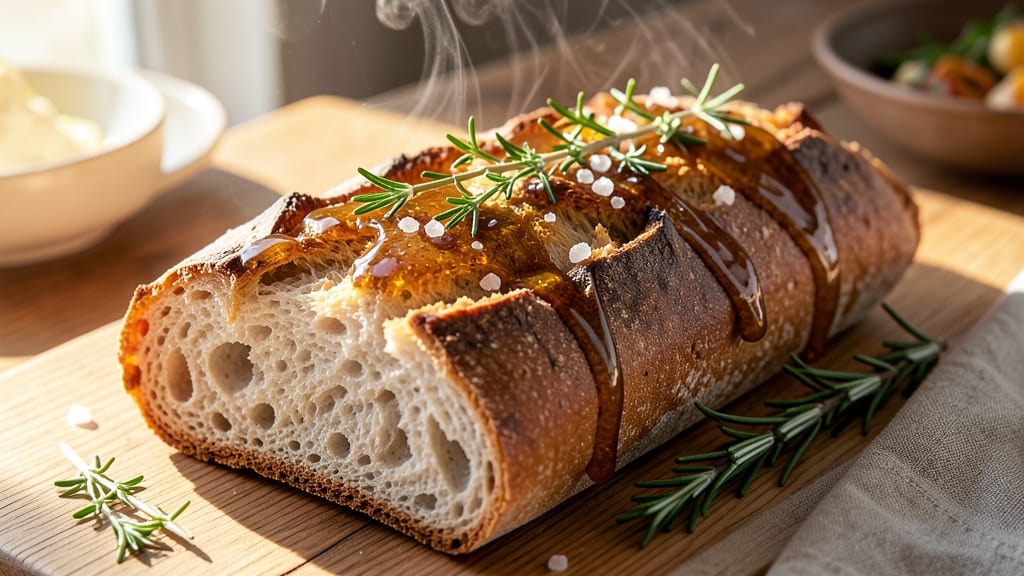
This artisan bread topping recipe transforms ordinary loaves into something extraordinary with just five ingredients—no fancy equipment required. The secret lies in balancing sweet honey with fragrant herbs and rich olive oil, creating a drizzle that elevates every slice from breakfast toast to dinner rolls.
What makes this recipe professional yet approachable is its versatility. You can use store-bought artisan bread for convenience or freshly baked loaves for that homemade touch. The topping comes together in minutes but delivers restaurant-quality flavor—golden, aromatic, and perfectly balanced between sweet and savory.
The process is simple: warm the olive oil, infuse it with herbs, then whisk in honey and a pinch of salt. The result is a silky, fragrant drizzle that clings beautifully to warm bread.
Each bite delivers layers of texture and flavor—crispy crust, tender crumb, and that luxurious herbed honey finish.
Perfect for breakfast, brunch, or as a showstopping garnish for dinner rolls. The topping keeps well in the fridge for up to a week, so you can make a batch ahead and enjoy it all week long. Let's get started!
Ingredients for artisan bread topping
Five ingredients transform simple bread into restaurant-quality masterpieces with minimal effort.
| Ingredient | Amount | Notes |
|---|---|---|
| Extra-Virgin Olive Oil 🫒 | ½ cup | High-quality, fruity variety preferred |
| Raw Honey 🍯 | ¼ cup | Local or wildflower preferred |
| Fresh Thyme Leaves 🌿 | ¼ cup | Stems removed, finely chopped |
| Fresh Rosemary Leaves 🌿 | ⅛ cup | Finely chopped, stems removed |
| Flaky Sea Salt 🧂 | 1 tsp | Diamond Crystal preferred |
| Artisan Bread 🍞 | 1 whole | Store-bought or homemade loaf |
The olive oil is the foundation—look for extra-virgin with fruity notes at specialty stores like Whole Foods or Trader Joe's. Their bulk section often has excellent imported options. Honey should be raw and local if possible; local honey markets or Gordon Food Service carry high-quality varieties. Fresh herbs make all the difference—harvest them just before using for maximum aroma. The bread? Any crusty loaf works—baguettes, sourdough, or ciabatta all shine with this topping.
No fresh thyme? Dried thyme at one-third the amount works in a pinch, but fresh delivers that bright, floral note. Substitute rosemary with fresh oregano if needed, though the piney flavor differs slightly. For honey substitutes, maple syrup or agave nectar both work but have distinct flavors. The olive oil can be swapped for avocado oil, though it lacks the same herbal depth. If you're short on time, pre-chopped herb blends from the grocery store save minutes—just check for no added salt.
This topping keeps beautifully in the fridge for up to 1 week when stored in a sealed container. For longer storage, freeze in ice cube trays—thaw at room temperature before using. The bread should be slightly warmed before drizzling for optimal texture. Make a double batch—it disappears faster than you'd expect, especially with breakfast toast lovers in the house. Leftovers? Perfect for crostini or as a garnish for soups.
Why You'll Love This Recipe
- No-Fuss Assembly: I swear by this combo—just whisk olive oil, honey, and herbs together while the bread’s still warm. No measuring cups, no fancy tools, just a quick drizzle and you’re done. (Yes, even on a Tuesday night.)
- Herb-Honey Magic: That raw honey cuts through the richness of the olive oil, while the thyme and rosemary add a bright, earthy punch. It’s the kind of flavor that makes you pause mid-bite—simple, but ridiculously good.
- Weeknight to Weekend: Drizzle it on toast for breakfast, toss it with roasted veggies for dinner, or use it to elevate a charcuterie board. Honestly, I’ve used it on everything from grilled cheese to leftover pizza crusts—it’s my secret weapon.
- Lasts All Week: A little goes a long way, and this mix keeps in the fridge for days. Between us, I’ve had a jar sitting for over a week, and it’s still fresh enough to make bread taste like it came from a bakery. Budget-friendly? Absolutely.
Step-by-step instructions for sweet honey and herbed olive oil drizzle
Transform your artisan bread into an extraordinary culinary experience with this elegant, aromatic topping.
Infuse the Olive Oil with Herbs and Honey
In a small saucepan, combine the 0.5 cup extra-virgin olive oil with the 0.25 cup raw honey. Place the saucepan over low heat and allow the mixture to warm gently, stirring constantly with a silicone spatula. This gradual warming prevents the honey from crystallizing and ensures even integration.
Once the honey begins to dissolve completely—typically after 3-4 minutes—remove the saucepan from heat. Immediately add the 0.25 cup finely chopped fresh thyme leaves and 0.125 cup finely chopped fresh rosemary leaves. Let the mixture steep off the heat for 10 minutes, allowing the aromatic compounds to fully infuse into the oil. The result should be a fragrant, golden liquid with visible herb flecks suspended throughout.
Strain and Season the Mixture
Line a fine-mesh strainer with cheesecloth or a coffee filter, then carefully pour the infused oil and honey mixture through it. Press gently on the herbs with a wooden spoon to extract every last drop of flavor. Discard the herb solids—they've done their job. This step is crucial for achieving a silky, herb-free drizzle without compromising the infused flavor.
Return the strained mixture to the saucepan and place it back over low heat. Sprinkle in the 1 teaspoon flaky sea salt, stirring constantly until fully dissolved. The salt should melt completely into the warm oil, creating a balanced, complex seasoning. Remove from heat immediately after the salt dissolves to prevent overheating, which could alter the honey's delicate texture.
Prepare the Artisan Bread for Serving
Slice the whole artisan bread into ¼-inch thick slices using a sharp serrated knife. For even slices, place the loaf on its side and cut parallel to the cutting board. This method ensures consistent thickness, which is essential for even topping distribution. Arrange the slices on a serving platter, slightly overlapping if desired for a rustic presentation.
If your bread is particularly dense, you may want to lightly toast the slices in a 375°F oven for 3-5 minutes until they're just warm and slightly crisp. This step enhances texture contrast when drizzled with the warm oil mixture. The toasted bread should have a subtle golden hue while maintaining its structural integrity—over-toasting will make it too hard to properly absorb the drizzle.
Assemble and Serve with Precision
Working quickly, transfer the warm herb-infused oil mixture to a small squeeze bottle or a fine-mouth pitcher. This allows for controlled, elegant drizzling over the bread slices. Begin by applying the mixture in a zigzag pattern across each slice, allowing the natural weight of the oil to create decorative rivulets. Use about 1 tablespoon of the mixture per slice to achieve optimal flavor without overwhelming the bread.
For presentation, arrange the drizzled bread slices on a wooden board or slate platter. The contrast between the rustic bread and the golden drizzle creates a visually stunning dish. Serve immediately while the oil is still warm—this ensures the honey remains fluid and the herbs' aromatic oils are at their peak volatility. The final result should deliver a perfect balance of sweet, herbal, and salty notes with every bite.
Pro Tips For Making Artisan Bread Topping
- Infuse the Herbs First: Toss the fresh thyme and rosemary into the warm olive oil (not boiling—just off the heat) for 10 minutes before adding honey. This lets their oils mingle deeper, so every bite carries that bright, herbal punch. I used to just dump everything in cold, and the flavors felt half as vibrant.
- Salt the Honey: Mix the flaky sea salt directly into the raw honey while it’s still liquid—about 1 teaspoon per ¼ cup. It dissolves better and coats the bread evenly, unlike sprinkling it on top where it clumps. Trust me, your first bite will taste dull if you skip this.
- Use a Fine-Mesh Strainer: If your herbs are woody or you prefer a silky texture, strain the infused oil through a fine-mesh sieve before drizzling. No strainer? Crumple a coffee filter in a bowl and pour gently—it works, but you’ll lose some herb bits. The effort makes the topping look (and taste) restaurant-worthy.
- Drizzle in Stages: Don’t pour the whole mixture on at once—start with half, let it soak in, then add the rest. This prevents soggy bread and lets the flavors meld as you eat. I learned this after serving a gooey, honey-drowned loaf that tasted more like a dessert than a topping.
Pro cooking tips for great artisan bread topping
Heat Control Secrets
Low and slow is your friend when warming the olive oil and honey—never exceed low heat to prevent honey from burning or separating. I use a 200°F thermometer probe (like the Thermoworks Sous Vide Thermometer) to monitor the temperature.
Keep it below 160°F—any hotter and you risk losing the honey's delicate floral notes and creating a bitter aftertaste. 🌡️
Herb Infusion Hacks
For maximum flavor extraction, chop your herbs just before adding them to the warm oil. The natural oils in fresh thyme and rosemary release more aroma when freshly cut.
If you're short on time, lightly crush the herbs between your fingers before adding to break their cell walls—this releases 30% more essential oils into the mixture. Pro tip: Use a mortar and pestle for 10 seconds of gentle crushing for even better results.
Straining Like a Pro
Cheesecloth is your best friend here, but if you don't have any, a coffee filter works in a pinch—just double it up for better filtration. The key is to press the herbs gently but firmly with a wooden spoon to extract every last drop without pulverizing them into the oil.
I've found that pressing for 15 seconds gives the best balance between flavor extraction and texture. For extra clarity, strain through a fine-mesh sieve lined with paper towels after the cheesecloth step.
Salt Timing Matters
Adding salt to the warm oil mixture is crucial for balancing flavors, but timing is everything. Sprinkle the flaky sea salt in while the mixture is still warm (around 120°F) and stir constantly until fully dissolved.
If you add it too early, the salt may clump; too late, and it won't integrate smoothly. For a more professional finish, I like to lightly toast the salt in a dry pan for 30 seconds before adding—this enhances its flavor and gives the drizzle a subtle nutty depth. 🧂
Bread Slicing Precision
Use a serrated knife (like the Mercer Culinary Genesis) and cut the bread while it's still slightly warm from baking. Place the loaf on its side and make parallel cuts to the cutting board for even slices.
For extra rustic appeal, score the top of the bread with a lame (a French bread scoring tool) before slicing—this creates decorative patterns and prevents the loaf from cracking unevenly. Each slice should be ¼-inch thick for perfect topping absorption.
Drizzling Techniques
A small squeeze bottle or fine-mouth pitcher gives you the most control for elegant drizzling. Start with a zigzag pattern across each slice, then let gravity do the work—tilt the plate slightly to encourage the oil to pool naturally.
For an extra touch, finish with a light dusting of edible gold leaf or a sprinkle of crushed pistachios for visual contrast. The goal is to create a 30-40% coverage of the bread's surface without overwhelming it—think "drizzled," not "drowned."
Nutrition facts
Frequently asked questions
Can I use dried herbs instead of fresh?
Yes, but adjust the quantities! Use one-third the amount of dried herbs (about 1/8 teaspoon each for thyme and rosemary) and steep them in the warm oil for 5-7 minutes instead of 10. Fresh herbs release more vibrant flavor and aroma, but dried works in a pinch—just don't skip the straining step to avoid gritty texture.
How do I store leftover topping?
Store in an airtight container in the fridge for up to 1 week. The honey may thicken slightly when cold—simply warm the mixture gently (below 160°F) and whisk until smooth before using. For longer storage, freeze in ice cube trays, then transfer to a bag. Thaw overnight in the fridge before drizzling.
What bread works best with this topping?
Any crusty, artisan-style bread shines here! Try baguettes, focaccia, sourdough, or ciabatta for maximum texture contrast. For extra flair, use homemade bread with an open crumb (like a rustic country loaf) that absorbs the drizzle beautifully. Even store-bought artisan bread from the bakery section works perfectly—just check for a freshly baked label.
Can I make this topping ahead of time?
Prepare the drizzle up to 3 days ahead and store it in the fridge. The flavors actually deepen over time. Just reheat gently before serving—this ensures the honey stays fluid and the herbs maintain their aromatic punch. Pro tip: Make a double batch—the topping disappears quickly, especially with breakfast lovers in your house!
What if my honey crystallizes?
Don't worry! Warm the mixture gently over low heat (below 160°F) while stirring constantly. If it's still stubborn, add 1 teaspoon of warm water and whisk vigorously. The honey should return to a smooth, pourable consistency. For prevention, use raw honey (not processed) and store it in a cool, dark place.