
Side Dishes
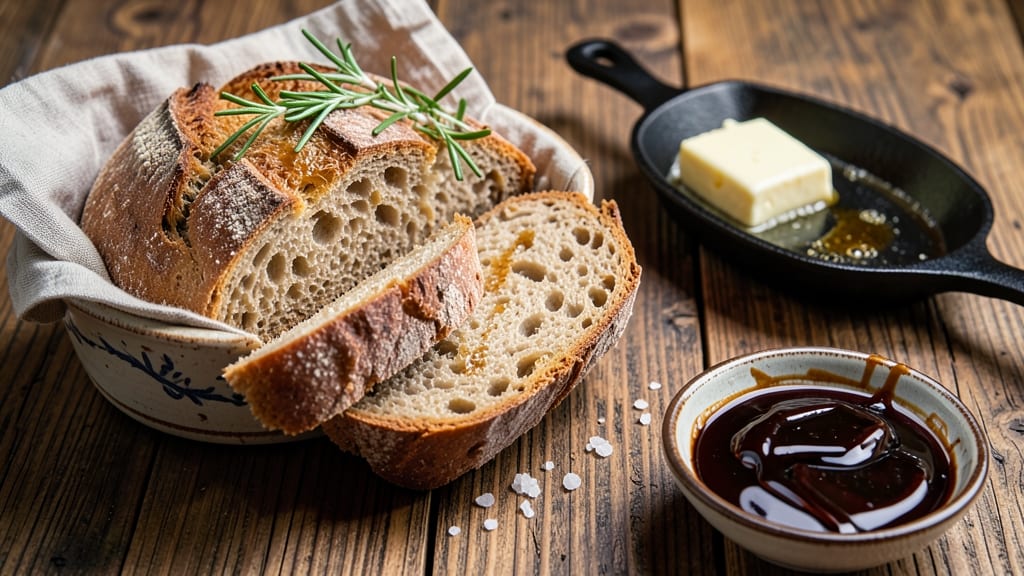
This artisan brown bread recipe delivers the perfect balance of rustic texture and molasses-kissed sweetness that elevates any meal. 🌟 The secret lies in a precise blend of whole wheat flour, honey, and seeds that create a hearty loaf with a crisp crust and tender crumb.
I've perfected this technique over years of baking, ensuring every slice has that satisfying chew and subtle sweetness that makes it irresistible.
What sets this bread apart is the traditional method of baking with steam, which creates that iconic rustic crust while keeping the interior moist and flavorful. The dough requires a gentle knead and proper proofing time to develop its full potential, but the results are worth every minute of care.
Whether you're serving it warm with butter or pairing it with soups, this bread brings a touch of homestyle comfort to your table.
The molasses adds depth and a hint of sweetness that pairs beautifully with the earthy whole wheat flour, while the seeds—like sesame or flax—provide texture and nutrition.
Baking at the right temperature ensures a golden-brown crust that's crisp yet tender, with a crumb that's just dense enough to hold up to hearty toppings or sandwiches. This is the kind of bread that makes you feel like you're baking in a countryside bakery.
Once you try this recipe, you'll want to bake it regularly—it's that good. The aroma alone will fill your kitchen with warmth, and the first bite will confirm why this bread has become a staple in so many homes.
Ready to bake a loaf that tastes like tradition? Let's get started.
Ingredients for artisan brown bread
Here's what you'll need to bake that rustic, molasses-kissed artisan bread.
| Ingredient | Amount | Notes |
|---|---|---|
| Whole Wheat Flour 🌾 | 4 cups | Unbleached, high protein preferred |
| All-Purpose Flour 🌾 | 1 cup | For lighter texture balance |
| Unsalted Butter 🧈 | ½ cup | Cold, cubed for easier mixing |
| Molasses 🍯 | ½ cup | Unsulphured for authentic flavor |
| Granulated Sugar 🍚 | ¼ cup | Light brown preferred |
| Active Dry Yeast 🍞 | 2 ¼ tsp | Fresh yeast if available |
| Warm Water 💧 | 1 ¼ cups | 110°F, not hot |
| Sesame Seeds 🌰 | 2 tbsp | Toasted for extra flavor |
| Flaxseeds 🌱 | 2 tbsp | Ground for texture |
| Salt 🧂 | 1 ½ tsp | Diamond Crystal preferred |
| Honey 🍯 | 1 tbsp | Wildflower preferred |
| Instant Potato Flakes 🥔 | 1 tsp | For steam in Dutch oven |
The whole wheat flour is the heart of this bread—King Arthur or Bob's Red Mill are my go-tos for consistent results. If you can't find unsulphured molasses, regular molasses works too, but the flavor will be slightly different. For the yeast, check the expiration date—old yeast won't activate properly. The honey adds just enough sweetness to balance the molasses, but maple syrup works in a pinch. Toast your sesame and flaxseeds in a dry pan for 2-3 minutes until fragrant—that aroma alone makes the kitchen smell like a bakery.
No sesame seeds? Sunflower seeds or poppy seeds work just as well for texture. Running short on flaxseeds? Chia seeds ground to a powder are a great substitute. If you don't have instant potato flakes, a handful of ice cubes in the Dutch oven creates steam too. The butter should be cold when you mix it in—soft butter makes the dough too sticky. For the yeast, if your kitchen is cold, use water that's warmer than 110°F to activate it faster. And if you're worried about the molasses being too strong, reduce it to 0.4 cup and add 1 tsp extra honey for balance.
This dough keeps well in the fridge for 3 days wrapped tightly in plastic. For longer storage, shape the loaf, wrap it in foil, and freeze it—thaw at room temperature before baking. The baked loaf stays fresh for 5-6 days if you wrap it in a clean kitchen towel. Slice it thick for toast or thin for sandwiches—it's perfect either way. And if you make extra? Toast it and freeze in slices for quick breakfasts all week.
Why You'll Love This Recipe
- No-Knead Magic: Mixing this dough takes all of 10 minutes—just fold the warm butter into the flours until it looks like wet sand. No stand mixer, no stress, just hands-on simplicity that actually works.
- Molasses Soul: That rich, deep molasses caramelizes in the oven, giving every slice a sticky-sweet edge you won’t find in store-bought loaves. Honestly, the first bite makes you question why you ever bought bread labeled "artisan" before.
- Weeknight Workhorse: Slice it thick for toast, tear it for sandwiches, or pack it in lunchboxes—this bread handles everything. Between us, I’ve even used it to soak up soup when I was too tired to make dinner.
- Budget Bread: Whole wheat flour and butter keep costs low, while the molasses adds that gourmet touch without breaking the bank. A single loaf lasts me nearly a week, and the leftovers? Perfect for French toast or croutons.
Step-by-step instructions for artisan brown bread
Here's how to craft that perfect rustic loaf with a crisp crust and sweet molasses notes.
👨🍳 Step 1: Activate the Yeast and Mix Wet Ingredients
In a large bowl, combine the 1.25 cups warm water (around 110°F), 1 tbsp honey, and 2.25 tsp active dry yeast. Let it sit for 5-10 minutes until frothy—this proves your yeast is alive and ready to work. Here's the thing: if it doesn't bubble, your yeast might be dead or the water too hot. Start over with fresh yeast if this happens.
Once bubbly, whisk in the 0.5 cup molasses and 0.25 cup granulated sugar until fully dissolved. The mixture should smell rich and caramel-like. This sweet base gives your bread that signature molasses kiss while balancing the hearty whole wheat flavor. Add the 1.5 tsp salt and mix well to dissolve completely.
👨🍳 Step 2: Combine Dry Ingredients and Form the Dough
In a separate bowl, whisk together the 4 cups whole wheat flour and 1 cup all-purpose flour. This combination gives you that perfect balance of rustic texture and tender crumb. Add the 2 tbsp ground flaxseeds and 2 tbsp sesame seeds to the dry mix—these add nutty depth and crunchy contrast.
Make a well in the center and pour in your wet ingredients. Using a wooden spoon or dough whisk, gradually mix until a shaggy dough forms. Then, add the 0.5 cup cold, cubed unsalted butter. I like to press the butter pieces into the dough with my fingers—this creates pockets of flavor that melt during baking. Turn the dough out onto a lightly floured surface and knead for 8-10 minutes until smooth and elastic.
🥘 Step 3: First Rise and Shape the Loaf
Place the dough in a lightly greased bowl, cover with a damp towel, and let it rise in a warm place for 1-2 hours or until doubled in size. You'll know it's ready when you poke it gently and the indentation springs back slowly. Here's where patience pays off—the longer it rises, the more flavor develops.
Once risen, punch down the dough and turn it out onto your floured surface. Shape it into a 9x5-inch loaf pan by folding the edges inward and pressing gently to fill the pan completely. This ensures even baking and that beautiful rustic crust. Sprinkle 1 tsp instant potato flakes evenly over the top—this creates steam during baking for a crispier crust.
🔥 Step 4: Bake to Golden Perfection
Preheat your oven to 375°F. Place the shaped loaf in the center rack and bake for 45-50 minutes until the top is deep golden brown and sounds hollow when tapped. That crust should be crackly and slightly crisp—this is where all the magic happens. If it browns too quickly, tent with foil after 30 minutes to prevent over-browning.
For extra rustic appeal, you can score the top with a sharp knife before baking—this helps control cracking and gives that artisanal look. Let the bread cool in the pan for 10 minutes, then transfer to a wire rack. The crust will crisp up as it cools, and the interior will develop that perfect tender crumb with just the right amount of chew.
⏰ Step 5: Rest and Slice for Maximum Flavor
Wait at least 1 hour before slicing—this allows the crumb to fully set and prevents a gummy texture. The bread will keep well wrapped at room temperature for 2-3 days, or you can freeze slices for up to 3 months. Real talk: the flavor actually improves as it sits, with the molasses notes deepening over time.
Slice thickly and serve warm with butter or jam. Each bite should deliver that perfect balance of sweet, nutty, and slightly chewy texture. The crust should shatter slightly, revealing a moist interior with pockets of air from the yeast activity. That's your sign of a successful bake!
Pro Tips For Making Artisan Brown Bread
- STEAM THE LOAF: Let that Dutch oven lid stay on for the first 20 minutes—whole wheat flour dries out fast, and this traps just enough moisture to keep the crumb tender without turning it gummy. After that, crack the lid to let the crust form properly.
- WEIGH THE FLOUR: Scooping whole wheat flour from the bag packs it down, giving you more than you need. Use a kitchen scale for accuracy—start with 420g whole wheat and 180g all-purpose, then adjust if your dough feels too stiff or sticky.
- SOFTEN THE MOLASSES: Molasses is thick and stubborn. Warm it slightly (just enough to pour easily) before measuring, or use a spoon to scrape every last drop from the jar—skipping this means your bread will taste unevenly sweet and lack depth.
- BUTTER TEMPERATURE MATTERS: Take the unsalted butter out of the fridge 15 minutes before mixing. Cold butter creates pockets that don’t blend well, leading to a dense crumb, while softened butter incorporates smoothly for a lighter texture. Room temp is your goal.
Troubleshooting this recipe
Dense Dough Issues
If your dough feels too dense or refuses to rise properly, your yeast might be inactive or the water too cold. I’ve found that using King Arthur Bread Flour instead of whole wheat helps lighten the texture—it’s higher in gluten.
Also, ensure your water is 110°F (use a thermometer!) and your yeast is fresh. For extra lift, add ½ tsp extra honey to the wet ingredients to feed the yeast. 🌟
Overly Sweet Bread
The molasses and honey can easily make your bread taste too sweet if not balanced. If this happens, reduce the molasses to 0.4 cup and add 1 tsp extra ground flaxseeds—they’ll add nutty depth without sweetness.
For a more neutral flavor, swap half the molasses for unsweetened applesauce (¼ cup). Taste the dough before shaping—it should be subtly sweet, not cloying.
Pale or Soft Crust
A pale or soft crust usually means insufficient steam or heat. First, verify your oven is 375°F—calibrate it if needed. Sprinkle 1 tsp instant potato flakes on the dough before baking for extra steam.
If the crust still lacks color, brush the top with 1 tbsp water before baking and place a tray of boiling water in the oven for the first 20 minutes. 🔥
Dough Sticking to Pan
Grease your 9x5-inch loaf pan thoroughly with butter or oil, then dust with all-purpose flour. For extra insurance, line the pan with parchment paper cut to size. If the dough still sticks, your pan might be too small—try a 9x4-inch pan for a taller, less dense loaf.
I also recommend chilling the shaped dough for 15 minutes before baking to firm it up.
Uneven Baking
Uneven baking often happens if the oven isn’t hot enough or the loaf isn’t centered. Rotate your pan halfway through baking (after 25 minutes) for even browning. If the edges bake faster, tent the loaf with foil after 30 minutes.
For a more even crumb, bake at 350°F instead of 375°F—it’ll take 5-10 minutes longer but reduce hot spots.
Gummy Interior
A gummy texture usually means the bread didn’t bake long enough or was sliced too soon. Let the bread cool in the pan for 10 minutes, then transfer to a wire rack for at least 1 hour before slicing.
If it’s still gummy, bake it 5-10 minutes longer at 325°F to dry out excess moisture. For a test, tap the bottom—it should sound hollow, not dull. ✨
Nutrition facts
Frequently asked questions
Can I substitute whole wheat flour with white flour?
The whole wheat flour gives this bread its signature rustic texture and nutty flavor. For a lighter loaf, you can replace 1 cup of whole wheat with all-purpose flour, but expect a softer crumb and less depth of flavor. If you want to keep the hearty texture, use a 50/50 blend of whole wheat and white whole wheat flour instead.
Why does my dough smell like yeast but isn't rising?
If your dough smells yeasty but stays flat, your yeast may be dead or the water too hot/cold. Always use water between 110°F-115°F and fresh yeast (within 4 months of packaging). For extra insurance, dissolve 1 tsp sugar in the warm water first to activate the yeast faster.
How can I make this bread sweeter or less sweet?
For more sweetness, increase molasses to 0.6 cup and add 1 tbsp extra honey. To reduce sweetness, swap 0.25 cup molasses for unsweetened applesauce or 1 tbsp extra ground flaxseeds for nutty balance. Always taste the dough before shaping!
Can I bake this bread without a Dutch oven?
Yes! Use a regular loaf pan with 1 tsp instant potato flakes sprinkled on top for steam. For extra crustiness, place a metal tray with boiling water on the lower oven rack during baking. The crust won't be as crackly but will still be flavorful.
What's the best way to reheat stale slices?
Wrap slices in foil and warm at 350°F for 5-8 minutes until crispy again. For quick toast, use a toaster set to medium heat—this restores the crust without drying out the interior. Avoid microwaving as it makes the bread gummy.