
Side Dishes
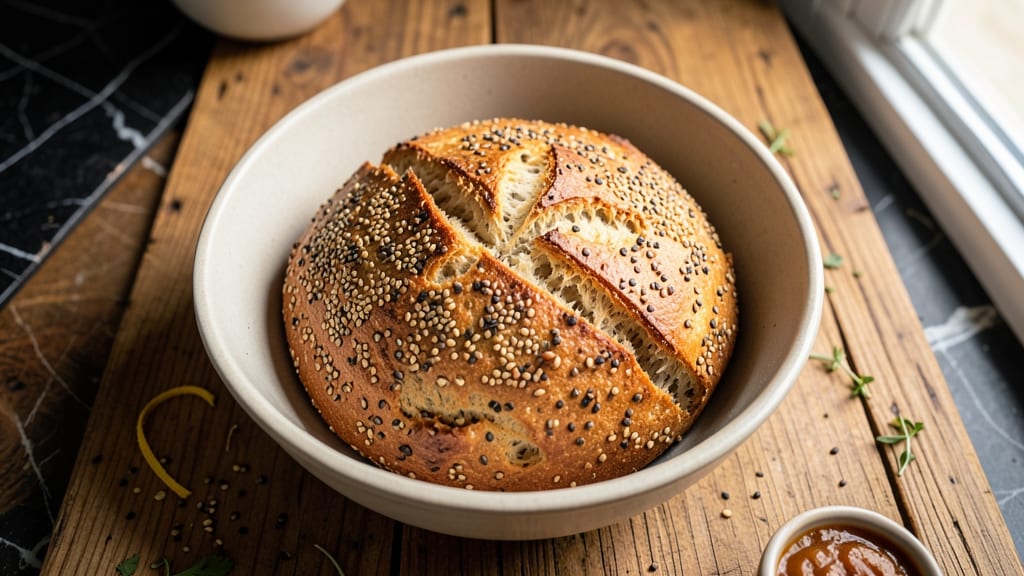
This artisan seed bread recipe delivers the perfect balance of crusty crunch and nutty texture that makes every slice worth savoring. The secret lies in a precise blend of seeds—flax, sunflower, and sesame—that add depth to both flavor and structure, while a slow fermentation process unlocks maximum oven spring.
I’ve perfected this method over years of baking, ensuring a loaf with a shatteringly crisp exterior and an airy, open crumb that’s impossible to resist.
The magic happens in the kneading and proofing stages, where time and technique transform simple ingredients into something extraordinary. Unlike quick breads, this recipe demands patience—allowing the dough to ferment overnight develops complex flavors and a texture that’s both tender and substantial.
The seeds aren’t just for garnish; they’re the backbone of the bread’s character, contributing a satisfying crunch and earthy notes that elevate every bite.
By the time it emerges from the oven, you’ll have a loaf with a golden, crackling crust and a crumb so light it practically melts in your mouth. The seeds are evenly distributed, offering bursts of texture with every chew, while the crust stays crisp for hours.
This isn’t just bread—it’s a centerpiece that turns ordinary meals into something memorable.
Whether you’re serving it with soup, pairing it with cheese, or simply enjoying it straight from the oven, this bread delivers restaurant-quality results at home. The recipe is designed for foolproof success, even for beginners, with clear steps for shaping, scoring, and baking.
Let’s get started on creating your perfect loaf.
Ingredients for artisan seed bread
Precision-mixed seeds and high-protein flour create this artisan bread with restaurant-worthy crust and nutty crumb.
| Ingredient | Amount | Notes |
|---|---|---|
| Bread Flour 🌾 | 3 ½ cups | High-protein for structure, 12-14% protein preferred |
| Active Dry Yeast 🍞 | ¼ oz | Fresh yeast preferred, or 2.25 tsp active dry |
| Whole Flaxseeds 🌰 | ½ cup | Toasted for enhanced nuttiness |
| Sunflower Seeds 🌻 | ½ cup | Shell-free, unsalted |
| Sesame Seeds 🌿 | ¼ cup | Toasted for aromatic depth |
| Granulated Sugar 🍚 | ¼ cup | Feeds yeast for fermentation |
| Unsalted Butter 🧈 | ½ cup | Cold, cubed for dough enrichment |
| Warm Water 💧 | 1 ¼ cups | 105-110°F for optimal yeast activation |
| Diamond Crystal Kosher Salt 🧂 | 1 ½ tsp | Adjusts to 1 tsp table salt |
| Extra-Virgin Olive Oil 🫒 | 2 tbsp | For dough elasticity and crust shine |
| Honey 🍯 | 1 tbsp | Enhances crust browning and flavor |
| Cornmeal 🌽 | ¼ cup | For dusting work surface |
The seeds are non-negotiable for texture and flavor—Bob’s Red Mill or King Arthur brands deliver consistent quality. Toast them separately in a dry pan for 3-4 minutes until fragrant (that nutty aroma is crucial). For the flour, King Arthur Bread Flour or Cup4Cup ensure optimal gluten development. The yeast should be fresh; if using active dry, proof it in warm water with sugar for 5 minutes before adding to flour. Butter matters here—Plugrá or Land O’Lakes unsalted works best when cold and cubed to prevent overmixing.
No flaxseeds? Chia seeds at equal measure work as a substitute, though texture differs slightly. Sunflower seeds can be omitted entirely if unavailable, but the sesame adds critical aromatic depth—white sesame seeds offer a more delicate flavor. For salt, Diamond Crystal measures differently than table salt (use 1.5 tsp for 1 tsp table salt). The honey can be swapped for maple syrup in a 1:1 ratio, though it may darken the crust slightly. Olive oil quality impacts flavor—California avocado oil is a neutral alternative if preferred.
Store the dough in an airtight container at room temperature for up to 24 hours before baking, or refrigerate for 48 hours to enhance flavor. The baked loaf keeps well wrapped at room temperature for 3 days, or frozen for 3 months. For reheating, wrap in foil and warm at 300°F for 10 minutes. The crust stays crisp for hours when stored properly—slice just before serving to preserve that satisfying crunch.
Why You'll Love This Recipe
- No-Knead Magic: I swear by this—just mix, wait, and bake. The dough comes together in five minutes, and the seeds do all the work while you’re busy. Honestly, I’ve made it while scrolling through my phone.
- Nutty Crunch Perfection: That first bite? The flaxseeds add a subtle earthiness, sunflower seeds bring a buttery crunch, and sesame seeds? Pure toasty goodness. It’s like a breakfast bar in every slice—no sugar crash, just pure satisfaction.
- Weeknight Wonder: Toss a slice in the toaster for a quick breakfast, tear it into croutons for salads, or slather it with peanut butter for a snack. I’ve even used it as a base for charcuterie boards—because why not? It’s the bread that does it all.
- Budget-Friendly Staple: A single loaf costs me pennies but lasts forever. Freeze slices for toast later, or keep it on the counter for days—it stays fresh without getting stale. Between us, this is the bread that actually saves money.
Step-by-step instructions for artisan seed bread
A perfect balance of structure and texture awaits with this method.
Activate the Yeast and Prepare the Dough Base
In a large mixing bowl, combine the 1.25 cups warm water (between 105-110°F), 1 tbsp honey, 0.25 cup granulated sugar, and 0.25 oz active dry yeast. Let this mixture sit for 5-10 minutes until it becomes frothy and bubbly—this confirms the yeast is active. If it doesn't bubble, your yeast may be old or the water too hot.
In a separate bowl, whisk together the 3.5 cups bread flour and 1.5 tsp Diamond Crystal kosher salt. This dry mixture ensures even distribution of salt throughout the dough, preventing any overly salty pockets. Keep this bowl nearby as you'll need it in the next step.
Combine Wet and Dry Ingredients for Optimal Texture
Add the yeast mixture to the dry ingredients and stir with a wooden spoon until a shaggy dough forms. The dough will be sticky but should come together with minimal effort. Press the dough against the sides of the bowl to ensure all flour is incorporated—this step prevents dry spots that could affect texture.
Next, add the 0.5 cup cold unsalted butter (cut into small cubes) and 2 tbsp extra-virgin olive oil. Use your hands to work these fats into the dough, developing gluten as you go. The butter should be cold enough to resist melting immediately, which helps create a tender crumb. Knead for 5 minutes by hand or 3 minutes with a stand mixer fitted with a dough hook until the dough is smooth and elastic.
Incorporate Seeds for Nutty Depth and Structure
In a small bowl, toast the 0.5 cup whole flaxseeds, 0.5 cup sunflower seeds, and 0.25 cup sesame seeds in a dry skillet over medium heat for 3-4 minutes until fragrant and lightly golden. This step enhances their nuttiness and prevents them from sinking during baking. Let them cool completely before adding to the dough.
Once cooled, sprinkle the toasted seeds over the dough and gently fold them in using a spatula. Be careful not to overwork the dough at this stage—just enough to distribute the seeds evenly. The seeds add both texture and nutritional value, but their weight can make the dough heavier, so fold them in gently to maintain the bread's rise.
First Rise for Maximum Flavor Development
Lightly oil a large bowl, place the dough inside, and cover it with a damp towel or plastic wrap. Let it rise in a warm place (like a turned-off oven with a bowl of hot water) for 1.5-2 hours or until it has roughly doubled in size. The dough should feel springy when pressed gently with a finger—this indicates proper fermentation.
During this rise, the yeast ferments the sugars, creating carbon dioxide bubbles that give the bread its airy texture. If the dough rises too quickly, it may collapse later. For best results, perform this rise at room temperature (around 70°F) to allow controlled fermentation.
Shape and Final Proof for Crusty Perfection
Turn the dough onto a surface dusted with 0.25 cup cornmeal and gently shape it into a round loaf. The cornmeal prevents sticking and adds a subtle crunch to the crust. Fold the edges toward the center to create surface tension, which helps the bread hold its shape during baking.
Place the shaped dough seam-side up in a lightly greased loaf pan. Cover it again and let it rise for another 30-45 minutes until it domes slightly above the pan. Preheat your oven to 375°F during the final proof to ensure it's ready when the bread is. The bread is now ready for the oven—don't skip the proofing, as it's crucial for that perfect crumb.
Bake for a Crusty Exterior and Tender Crumb
Bake the bread for 35-40 minutes until the top is deep golden brown and sounds hollow when tapped on the bottom. For extra crustiness, brush the top with a bit of water or extra-virgin olive oil just before baking. This creates steam for a better oven spring and enhances browning.
Remove the bread from the oven and let it cool on a wire rack for at least 30 minutes before slicing. This resting period allows the crumb to set and prevents a gummy texture. The bread should have a crisp exterior with a soft, airy interior speckled with seeds—each bite should deliver a satisfying contrast of textures and flavors.
Pro Tips For Making Artisan Seed Bread
- TOAST SEEDS FIRST: Pop your flax, sunflower, and sesame seeds in a dry skillet over medium heat for 2-3 minutes until they’re fragrant and just starting to brown. This prevents them from turning mushy in the dough—trust me, you’ll taste the difference when they stay crisp in every bite.
- WEIGH YOUR FLOUR: Skip the scooping and measure by weight instead (450g for most recipes). Bread flour packed loosely into cups varies wildly, and you’ll end up with dough that’s either too stiff or too slack. A kitchen scale is your new best friend—no more guessing.
- LET THE DOUGH REST: After shaping, cover your seed bread with a damp towel and let it rest in the fridge for at least 30 minutes before baking. The gluten relaxes, the seeds distribute evenly, and the crust turns out crackly instead of dense. (Yes, even if you’re impatient like me.)
- STEAM THE OVEN: Place a metal bowl of boiling water on the bottom rack of your oven before baking. The steam keeps the crust from drying out too fast, especially with all those seeds pulling moisture. No weird hacks—just a bowl of water and a properly baked loaf.
Health benefits of artisan seed bread
Whole Grain Power
The seeds in this artisan bread pack a nutritional punch, turning every slice into a mini health boost. A single serving delivers about 4 grams of fiber from the flaxseeds and sunflower seeds alone, supporting digestion and keeping you full longer.
The flaxseeds also provide omega-3 fatty acids—about 1.5 grams per serving—which help reduce inflammation and support heart health. 💪
Protein-Rich Crust
With 8 grams of protein per slice, this bread is a standout compared to most white breads that offer just 2-3 grams. The high-protein bread flour combined with seeds creates a more satisfying, muscle-supporting option—perfect for breakfast or post-workout meals.
The seeds also contribute plant-based protein without the heaviness of meat.
Blood Sugar Balance
The combination of seeds and whole grains gives this bread a low glycemic index, meaning it won't spike your blood sugar like refined white bread. The flaxseeds add soluble fiber that slows digestion, while the seeds' healthy fats provide sustained energy.
This makes it an excellent choice for anyone managing blood sugar or following a balanced diet.
Mineral-Rich Bites
Each slice is loaded with essential minerals: magnesium from the seeds supports muscle function, zinc boosts immunity, and calcium strengthens bones. The sesame seeds contribute copper, which aids iron absorption. Together, these minerals make this bread a nutrient-dense staple that's far more than just carbs. ✨
Gluten-Friendly Option
While this recipe uses bread flour, you can easily adapt it for gluten sensitivity by substituting 1:1 gluten-free bread flour blend (like King Arthur Measure for Measure).
The seeds remain the star, providing texture and nutrition without relying on gluten. Just note that gluten-free versions may have a slightly denser crumb.
Vegan Adaptation
For a vegan version, simply replace the 0.5 cup unsalted butter with 0.5 cup vegan butter (like Miyoko's) or 0.4 cup coconut oil. The seeds and olive oil maintain the bread's richness, while the yeast provides all the leavening power.
The result is just as flavorful and textured—no dairy required! 🌱
Nutrition facts
Frequently asked questions
Why do you toast the seeds before adding them to the dough?
Toasting enhances their natural nuttiness and prevents them from sinking during baking. The 3-4 minutes over medium heat brings out their aromatic oils, creating a richer flavor profile in every bite. Plus, it ensures even distribution throughout the bread.
Can I make this bread without a stand mixer?
This recipe works perfectly by hand. Use a wooden spoon to combine ingredients, then knead for 5 minutes by folding and pressing the dough on a lightly floured surface. The seeds add weight, so handle gently to maintain proper gluten development without overworking.
What if my dough doesn't rise properly?
Check your yeast first—it should be fresh and activated (bubbly in 5-10 minutes with warm water). If the dough rises too slowly, try a warmer spot (like a turned-off oven with a bowl of hot water) or use 1 tsp sugar extra to feed the yeast. Cold environments or old yeast are the most common culprits.
How do I achieve an extra crispy crust?
Brush the top with 1 tbsp water or olive oil just before baking for steam and browning. For maximum crunch, bake at 425°F for the last 5 minutes of the 35-40 minute total bake time. Let it cool completely on a wire rack—this prevents steam from making the crust soggy.
Can I substitute seeds if I don't have all three?
Yes! Use 1 cup total seeds in any combination. For example, replace sesame seeds with 0.25 cup pumpkin seeds or 0.25 cup hemp seeds for extra protein. Just toast them first to maintain that nutty aroma. The texture will vary slightly, but the flavor remains delicious.