
Side Dishes
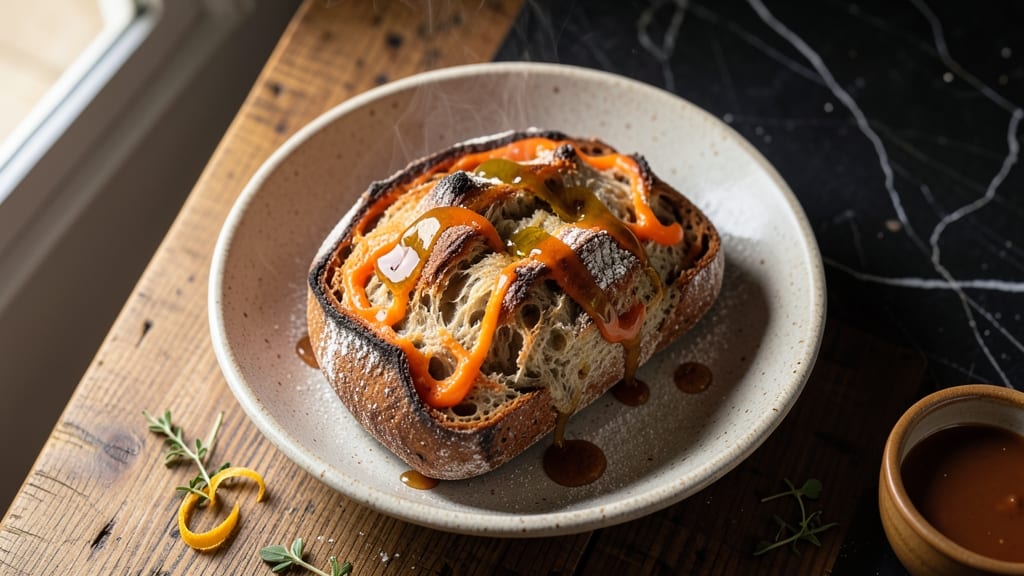
Transforming this clever artisan sourdough bread recipe into a vibrant, carrot-infused masterpiece unlocks a world of flavor most loaves never explore. This cleverly incorporates carrot purée for subtle sweetness and moisture, while maintaining all the rustic character of traditional fermentation.
The secret lies in balancing the carrot's natural sugars with precise fermentation timing—too much, and the loaf becomes gummy; too little, and you miss the magic entirely.
What sets this recipe apart is its dual approach: you can either swirl carrot purée into the dough for hidden veggie magic or create a striking carrot-topped crust that adds visual appeal.
The sourdough starter does the heavy lifting here, developing complex flavors over 12-16 hours of fermentation at room temperature. This extended proofing creates that signature tangy depth while the carrot elements add a gentle sweetness that complements rather than overpowers.
The result is a loaf with crisp golden crust, an open crumb structure, and a subtle carrot-infused aroma that fills your kitchen as it bakes. Each slice reveals the beautiful swirls of orange purée throughout, making every bite both nutritious and delicious.
The carrot addition isn't just about health—it transforms the bread's texture, keeping it moist for days without sacrificing that perfect sourdough crunch.
Perfect for breakfast toast, sandwiches, or as a showstopping centerpiece for any meal, this recipe proves you can have your artisanal bread and your vegetables too. The method is straightforward but requires patience—24 hours from starter to baked loaf—but the results are worth every minute of waiting.
Let's get started on creating your next perfect loaf.
Ingredients for artisan sourdough bread recipe clever carrot
Sweet-tangy swirls and hidden veggie magic start with these artisanal ingredients.
| Ingredient | Amount | Notes |
|---|---|---|
| Active Sourdough Starter 🍞 | ½ cup | 100% hydration, bubbly and active |
| All-Purpose Flour 🌾 | 3 ½ cups | Organic white or whole wheat blend |
| Organic Carrot Purée 🥕 | ½ cup | Freshly blended, no added sugar |
| Extra-Virgin Olive Oil 🫒 | ¼ cup | Cold-pressed, fruity variety |
| Pure Maple Syrup 🍯 | ⅛ cup | Grade A, light amber |
| Filtered Water 💧 | 1 ¼ cups | Room temperature |
| Kosher Salt 🧂 | 1 ½ tsp | Diamond Crystal preferred |
| Ground Flaxseed 🌰 | 1 tbsp | For egg replacement |
| Fresh Orange Zest 🍊 | 1 tsp | Bright organic orange |
| Raw Sesame Seeds 🌻 | 1 tbsp | Toasted for crust |
| Ground Cinnamon 🌿 | ½ tsp | Ceylon cinnamon preferred |
| Vegan Butter 🧈 | 2 tbsp | Miyoko's brand recommended |
| Cornmeal 🌽 | ¼ cup | For dusting loaf pan |
The sourdough starter is your flavor foundation—King Arthur or a trusted home starter works best. Look for one with visible bubbles and a tangy aroma. Whole Foods bulk bins often have excellent starters, or check local bakeries for small batches. For the carrot purée, freshly blended organic carrots give the best flavor—skip the canned version. The maple syrup adds subtle sweetness without overpowering the sourdough tang. If you're using whole wheat flour, replace 10% of the all-purpose with it for extra nutrition without compromising texture.
No sourdough starter? Use a vegan active dry yeast packet instead, but the flavor won't be identical. Short on carrot purée? Swap for 1/4 cup unsweetened applesauce—it keeps the moisture but adds a different fruitiness. The flaxseed egg replacement works best when mixed with 3 tbsp water for 5 minutes before adding. For the orange zest, organic is key—conventional oranges often have wax coatings that can affect flavor. The sesame seeds should be toasted until golden—3 minutes in a dry pan does the trick.
Store your starter in a glass jar with a loose lid in the fridge for up to 2 weeks. The dough can be shaped and refrigerated overnight for better flavor development. Once baked, this loaf stays fresh for 5 days wrapped in a towel, or 3 months frozen. For extra crunch, brush the cooled loaf with melted vegan butter and sprinkle with extra sesame seeds. The carrot-infused version keeps particularly well—toast straight from frozen for a warm breakfast.
Why You'll Love This Recipe
- No-Knead Magic: I swear by this dough—just mix, let it rise, and bake. The carrot purée blends right in with the sourdough, so no extra steps or fuss. Honestly, my lazy Sundays just got better.
- Sweet-Savory Surprise: That maple syrup and olive oil combo? It’s like a hug for your taste buds. The carrot adds natural sweetness without overpowering, and the crust gets this perfect crisp that makes every bite worth it.
- Breakfast to Brunch: This bread isn’t just for toast—slice it for French toast, use it as a base for open-faced sandwiches, or even pack it for lunch. Between us, I’ve had it cold with butter at 7 AM and as a brunch platter at 11. It’s that good.
- Stretches Your Budget: A single batch feeds my family for days—leftovers turn into croutons, breadcrumbs, or even a quick panini. Plus, using carrot purée means less waste from scraps. Smart, simple, and satisfying.
Step-by-step instructions for artisan sourdough bread with carrot swirls
Transform humble ingredients into a showstopping loaf with vibrant carrot swirls and nutty crust.
Prepare the Flaxseed Egg Replacement
In a small bowl, combine the 1 tablespoon ground flaxseed with 3 tablespoons filtered water (just enough to make a gel). Let it sit for 5 minutes until it thickens into a translucent, tapioca-like consistency. This flax "egg" will replace traditional eggs while adding binding properties and subtle nuttiness.
I stir vigorously at first, then let it rest undisturbed—this ensures maximum hydration. The mixture should hold its shape when you lift it with a spoon, forming a cohesive gel. If it's too runny after 5 minutes, add another teaspoon of flaxseed and wait another 2 minutes. This step is your foundation for structure in a vegan loaf.
Mix the Sweet-Tangy Dough Components
In a large mixing bowl, whisk together the 0.5 cup active sourdough starter, 0.5 cup organic carrot purée, 0.25 cup extra-virgin olive oil, 0.125 cup pure maple syrup, and the flaxseed gel. The mixture should be thick but pourable, with the carrot purée adding vibrant color and natural sweetness that balances the tangy sourdough.
Add 1.25 cups filtered water and 1.5 teaspoons kosher salt, then stir until fully combined. The dough will be sticky and wet—this is normal for a high-hydration sourdough with added purée. Sprinkle in 3.5 cups all-purpose flour gradually while mixing with a wooden spoon, adding just enough to create a shaggy dough that's still tacky to the touch. Overmixing develops gluten prematurely, so stop when the flour is mostly incorporated.
Develop Gluten and Create Carrot Swirls
Turn the dough onto a lightly floured surface and knead gently for 3-4 minutes until it becomes smooth and elastic. The goal here isn't to fully develop gluten—we want a tender crumb—but just enough to create structure. I press down firmly with the heel of my hand and fold the dough over itself, rotating the bowl each time to ensure even handling.
While the dough rests for 10 minutes (covered with a damp towel), prepare the carrot swirl mixture: in a small bowl, combine 0.25 cup organic carrot purée, 1 teaspoon fresh orange zest, 0.5 teaspoon ground cinnamon, and 1 tablespoon toasted raw sesame seeds. After the rest period, divide the dough into 4 equal pieces. Roll each piece into a 12-inch log, then wrap each with plastic wrap to prevent drying.
Shape and Proof the Loaf
Arrange the 4 dough logs side by side in a greased 9x5-inch loaf pan, spacing them evenly. Gently press the carrot swirl mixture between and around the logs, creating marbled patterns. Sprinkle the remaining 1 tablespoon sesame seeds on top for texture. Cover the pan with a damp towel and let proof at 75°F for 1.5-2 hours until the dough rises 1-2 inches above the pan.
Here's where the magic happens: the sourdough's natural rise combined with the carrot purée creates a tender yet structured crumb. I check for doneness by gently pressing the top—it should spring back slowly, not immediately. If the dough doesn't rise enough, extend the proof by 30 minutes. The carrot swirls should remain distinct but integrated, creating beautiful marbling throughout.
Bake to Golden Perfection
Preheat your oven to 375°F with a baking stone or inverted baking sheet inside. Brush the top of the loaf with 2 tablespoons vegan butter (melted) and sprinkle with 0.25 cup cornmeal for crunch. Bake for 35-40 minutes until the crust is deep golden brown and the internal temperature reaches 205°F at the center.
For that coveted oven spring, I recommend baking the loaf on the preheated stone for even heat distribution. The cornmeal topping creates a beautiful, crispy crust while the butter adds richness. Tap the bottom of the loaf—it should sound hollow when done. Let cool in the pan for 10 minutes, then transfer to a wire rack. The carrot swirls will be visible through the crust, adding visual appeal and subtle sweetness with each slice.
Pro Tips For Making Artisan Sourdough Bread Recipe Clever Carrot
- STRAIN THAT PURÉE: The carrot purée in this dough is where flavor hides—and where water lurks. After blending your carrots, strain through a fine-mesh sieve or cheesecloth to remove excess liquid. I learned this the hard way: skipping this step turns your dough into a sticky mess that refuses to hold shape, no matter how much flour you add.
- WEIGH YOUR FLOUR: No guesswork. Use a kitchen scale for the all-purpose flour—this isn’t a time for eyeballing. The ratio of flour to hydrated starter matters more than you’d think, especially when mixing in purée. A 10-gram difference can mean the difference between a crumbly loaf and one with the perfect open crumb. (Yes, even if you’re impatient like me.)
- MAPLE SYRUP FIRST: Add the pure maple syrup to the dough before the olive oil—this ensures it dissolves evenly and doesn’t pool in pockets. I was skeptical until I tried it: the syrup integrates smoother, and the bread gets that subtle caramel depth without tasting cloying. Skip this order, and you’ll end up with pockets of sweetness that feel like afterthoughts.
- PROOF IN COOLTH: Let that final proof happen in the fridge overnight. The slow rise deepens the sourdough tang and lets the carrot flavor mellow out. I used to rush it at room temp, and the bread always tasted sharp and unevenly baked. Cold proofing? It’s the thing that actually changes the outcome—no joke.
Storing and reheating your artisan sourdough bread recipe clever carrot
Room-Temp Storage
Keep your baked loaf at room temperature for up to 2 days by wrapping it tightly in a clean kitchen towel or beeswax wrap. This maintains the crust's crispness while preventing staling.
I store mine in a bamboo bread box to regulate humidity—it keeps the carrot swirls moist for longer than plastic bags ever could. 🌾
Fridge Preservation
For longer storage, refrigerate your loaf in an airtight container with a slice of apple or carrot inside to prevent drying. The carrot purée in this bread actually extends freshness—it stays tender for 5-6 days when stored this way.
Just be sure to let it come to room temperature before slicing, or the crust will become brittle.
Freezer-Friendly
Slice the loaf before freezing for perfect toast portions. Wrap each slice in parchment paper, then store in a freezer bag with all air removed. This vegan loaf freezes beautifully for up to 3 months—the carrot elements prevent freezer burn better than plain sourdough.
Toast straight from frozen for a warm breakfast without thawing.
Reheating Methods
For the best texture, reheat slices in a 350°F oven for 5-7 minutes with a splash of water on a plate underneath. This steams the carrot swirls while crisping the crust.
Alternatively, use a toaster for quick toasting—just watch closely as the carrot purée can burn faster than regular bread. 🔥
Reviving Stale Bread
If your loaf loses crispness, revive it by wrapping in a damp towel and microwaving for 10 seconds. The carrot purée helps retain moisture better than traditional sourdough, so you'll often get away with just a quick steam in the oven.
For extra flavor, brush with melted vegan butter and toast before serving.
Carrot Swirl Care
The carrot elements stay vibrant longest when stored properly. If the swirls appear dry after freezing, sprinkle with a little orange juice before reheating to restore moisture. The cinnamon in the swirl mixture also helps preserve freshness—it acts as a natural preservative while adding warmth to each bite.
Nutrition facts
Frequently asked questions
Why does this recipe use carrot purée instead of grated carrots?
Carrot purée blends seamlessly into the dough without altering the texture, while grated carrots would create dense pockets that could make the crumb uneven. The purée also adds natural sweetness and moisture that enhances fermentation. Plus, it's easier to distribute evenly throughout the dough for those beautiful swirls!
Can I make this recipe without a sourdough starter?
Yes, but the flavor won't be identical. Replace the 0.5 cup starter with 1 packet (2.25 tsp) active dry yeast dissolved in 0.5 cup warm water. Let it sit for 5 minutes until foamy, then proceed with the recipe. The fermentation time will be shorter (1 hour instead of 12-16 hours), and you'll miss the complex tangy depth of sourdough.
How do I know when the dough is properly proofed?
Gently press the top of the dough with one finger. If it springs back slowly (not immediately) and leaves a slight indentation, it's ready. For this recipe, look for the dough to rise 1-2 inches above the loaf pan. The carrot swirls should remain visible but integrated—if they spread too much, the dough needs more time. A warm spot (75°F) speeds up proofing.
What if my loaf doesn't rise enough?
Several factors could cause this: cold environment (below 70°F), weak starter, or over-kneading. Try these fixes: move to a warmer spot, extend proofing by 30-60 minutes, or let the dough rest 20 minutes after mixing before shaping. For next time, ensure your starter is bubbly and active (it should float in water). The carrot purée adds moisture, so you might need slightly less water if your kitchen is humid.
Can I add other vegetables to this recipe?
Try swapping the carrot purée for beet purée (for earthy sweetness) or sweet potato purée (for moisture). For texture contrast, fold in finely chopped roasted red peppers or zucchini ribbons during the final shaping. Just reduce the water slightly if using wetter purées, as the dough should remain workable but not sticky. The key is balancing flavor and moisture.