
Side Dishes
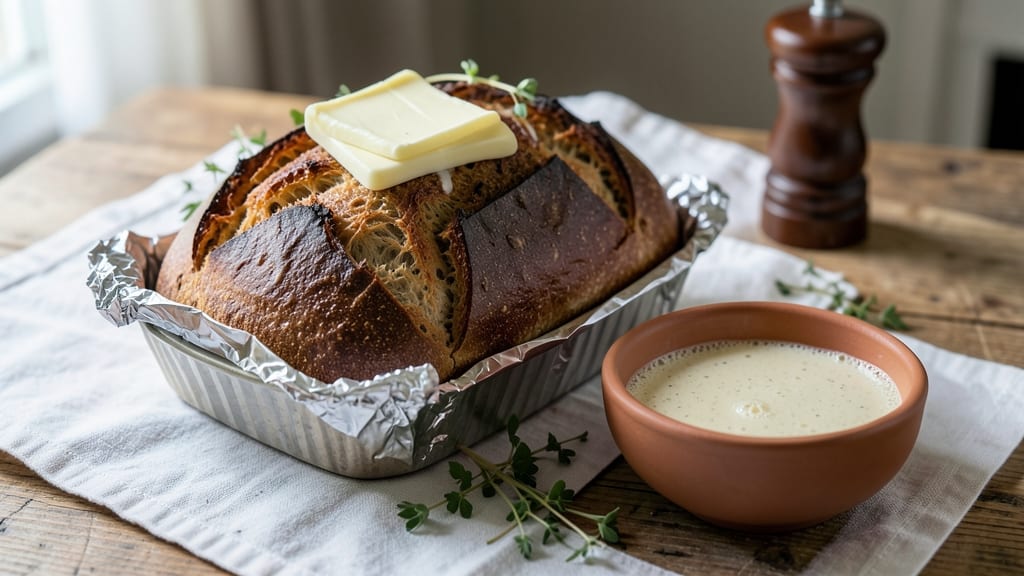
This artisan sourdough bread recipe using King Arthur flour delivers crusty crust and open crumb with a foolproof foil-sealed rise method that works every time. The secret lies in patient fermentation and precise baking techniques that transform simple ingredients into restaurant-quality loaves.
King Arthur flour provides the ideal texture, but the real magic happens in the timing and temperature control.
Mastering artisan sourdough requires understanding hydration levels, fermentation stages, and baking methods that create that signature crackly crust and airy interior. I've refined this process over years to eliminate guesswork—whether you're a beginner or seasoned baker, these techniques ensure consistent results.
The foil-sealed rise method simplifies baking while preserving the bread's signature qualities.
By following this method, you'll achieve a loaf with a deep golden crust that snaps satisfyingly and a crumb filled with open, irregular holes. The flavor develops through careful fermentation, creating complex tangy notes that improve with each slice.
This isn't just bread—it's a craft that transforms your kitchen into a bakery.
The best part? This recipe scales perfectly for any occasion, from daily sandwiches to holiday feasts. With just a few key ingredients and attention to detail, you'll bake bread that rivals your favorite bakery. Let's get started on creating your perfect loaf.
Ingredients for artisan sourdough bread recipe king arthur
Precision-milled flour and active starter form the foundation for restaurant-quality sourdough.
| Ingredient | Amount | Notes |
|---|---|---|
| King Arthur Bread Flour 🌾 | 3 ½ cups | High-protein for optimal structure |
| Active Sourdough Starter 🍞 | 1 cup | 100% hydration, bubbly and active |
| Warm Water 💧 | 1 ¼ cups | 105°F for ideal fermentation |
| Kosher Salt 🧂 | ¾ tsp | Diamond Crystal preferred |
| Unsalted Butter 🧈 | ¼ cup | Cold, cubed for laminating |
| Aluminum Foil 📄 | 1 sheet | Heavy-duty for sealing |
| Banneton or Bowl 🍽️ | 1 whole | Lined with floured linen |
| Cornmeal or Rice Flour 🌽 | ¼ cup | For dusting parchment |
| Ice Water ❄️ | ½ cup | For final dough adjustment |
King Arthur Bread Flour is non-negotiable here—its high protein content (12.7%) delivers the signature open crumb and crisp crust. Order directly from their website for consistent quality, or use their store brand if unavailable. The sourdough starter must be 100% hydration and actively bubbly—test by dropping a spoonful in water; if it floats, it's ready. For salt, Diamond Crystal dissolves more gently than Morton, preserving gluten structure. Pre-ferment your starter overnight for deeper flavor development, especially if using whole grains in future batches.
No King Arthur flour? White Lily or Caputo Tipo 00 work in a pinch, though texture may vary slightly. Short on starter? Commercial sourdough discs from bakeries can jumpstart fermentation (use 1/4 cup). The butter should be cold and cubed—room temperature creates steam pockets that weaken structure. For the foil-sealed rise, heavy-duty aluminum foil prevents overproofing while trapping steam. Need a banneton substitute? A floured bowl with a damp towel draped over it mimics the humid environment.
Store unused flour in an airtight container for 6 months in a cool, dark place. The starter can be kept indefinitely in the fridge—feed weekly with equal parts flour and water. Pre-shape dough and refrigerate overnight for 12-16 hours to enhance flavor. Baked loaves keep at room temperature for 3 days wrapped in a cotton towel, or freeze for 3 months in vacuum-sealed bags. The foil-sealed technique extends shelf life by 2-3 days compared to traditional methods.
Why You'll Love This Recipe
- No-Knead Magic: The King Arthur flour handles all the heavy lifting—just mix, rest, and bake. No stand mixer, no overworking dough, just a simple bowl and your hands. (Yes, even if you’re still learning.)
- Tangy Butter Crust: That warm butter brushed on top? It turns golden and crackly while keeping the crumb soft and airy. The sourdough starter adds a subtle tang that makes every slice feel like a little celebration.
- Weeknight & Holiday Star: Perfect for toast in the morning or dinner rolls on Sunday. Freeze slices for quick sandwiches, or save the crusty ends for croutons. It’s the one loaf that works for lazy days and impressing guests.
- Stretches Your Budget: A single batch feeds a family for days—think toast, sandwiches, or garlic butter dinners. The flour is affordable, the starter lasts forever, and you’ll use up butter you already have. Smart, simple, and satisfying.
Step-by-step instructions for artisan sourdough bread with foil-sealed rise
Here's how to create a bread with an open crumb and crispy crust using King Arthur's high-protein flour.
👨🍳 Step 1: Mix and Autolyse the Dough
In a large mixing bowl, combine the 3.5 cups King Arthur Bread Flour with the 1 cup Active Sourdough Starter. Add the 1.25 cups Warm Water and mix just until the flour is fully hydrated and no dry patches remain. This initial mix creates a shaggy dough that will develop gluten during the autolyse.
Cover the bowl with a damp towel and let rest for 30 minutes. This resting period, called autolyse, allows the gluten to begin forming and the flour to fully hydrate. You'll notice the dough becomes smoother and more cohesive as it develops. This step is crucial for creating that signature open crumb structure we're after.
👨🍳 Step 2: Add Salt and Butter for Development
After the autolyse, sprinkle the 0.75 tsp Kosher Salt evenly over the dough. Add the 0.25 cup Unsalted Butter, cut into small cubes, and gently work them into the dough by hand. The butter should begin to incorporate but remain visible as small pockets throughout the dough.
Perform a series of stretch and folds every 30 minutes for 2 hours. For each set, wet your hands to prevent sticking, grab one side of the dough, stretch it upward, and fold it over itself. Rotate the bowl and repeat this process on all four sides. This technique strengthens the gluten structure and distributes the butter evenly, which will create those beautiful laminations in the final bread.
🥘 Step 3: Bulk Fermentation with Controlled Environment
After the final stretch and fold, cover the dough with the 1 sheet Aluminum Foil and let it bulk ferment at room temperature for 4-6 hours. The dough should roughly double in size and develop bubbles throughout. I like to check for readiness by performing the "poke test"—gently press your finger into the dough. If it springs back slowly (not immediately) and leaves a slight indentation, it's ready for shaping.
During this time, the yeast in your sourdough starter will continue to ferment, developing complex flavors. The controlled environment of the foil helps maintain a consistent temperature, which is crucial for even fermentation. If your kitchen is particularly warm, reduce the time to 3-4 hours to prevent over-fermentation.
👨🍳 Step 4: Shape and Cold Proof in Banneton
Turn the dough out onto a lightly floured surface and gently shape it into a round boule. To do this, create a taut surface by pulling the edges of the dough toward the center while rotating the boule in your hands. Once shaped, place it seam-side up in the 1 whole Banneton or Bowl lined with a floured linen.
Cover the banneton with the 1 sheet Aluminum Foil and refrigerate for 12-16 hours. This cold proofing slows down the fermentation process, allowing for better flavor development and a more controlled rise. The cold temperature also helps create that signature tangy flavor in sourdough bread. During this time, the dough will rise slowly and develop a tight, smooth surface.
🔥 Step 5: Score and Bake with Foil-Sealed Rise
Preheat your oven to 450°F with a Dutch oven inside for 45 minutes. Remove the dough from the refrigerator and turn it onto a piece of parchment paper dusted with the 0.25 cup Cornmeal or Rice Flour. Using a sharp razor blade or lame, score the dough deeply with a crosshatch pattern. This scoring allows the bread to expand properly during baking and creates that beautiful crust.
Carefully transfer the scored dough (with parchment) into the preheated Dutch oven. Cover with the lid and bake for 20 minutes. Remove the lid and continue baking for an additional 25-30 minutes, or until the internal temperature reaches 205-210°F. The bread should have a deep golden brown crust and sound hollow when tapped on the bottom.
⏰ Step 6: Cool and Enjoy for Optimal Texture
Remove the bread from the oven and let it cool on a wire rack for at least 1 hour before slicing. This cooling period is crucial—it allows the steam inside the bread to escape and the crumb to set properly. If you cut into it too soon, you'll end up with a gummy, unsatisfying texture.
The result should be a bread with an open, irregular crumb and a crispy, flavorful crust. The high-protein King Arthur Bread Flour gives it excellent structure, while the sourdough starter contributes that characteristic tang. Each slice should have a satisfying chew and a complex flavor profile that develops even more over the next day or two as it stales.
Pro Tips For Making Artisan Sourdough Bread Recipe King Arthur
- Autolyse First: DESCRIPTION:
- Test Starter Bubble Speed: DESCRIPTION:
- Salt the Butter: DESCRIPTION:
- Steam the Oven: DESCRIPTION:
Serving suggestions for artisan sourdough bread recipe king arthur
Classic Sandwich Pairings
This sourdough shines as the foundation for classic sandwiches. Try a grilled chicken sandwich with avocado slices, crisp lettuce, and sliced heirloom tomatoes—the open crumb soaks up flavors perfectly.
For a vegetarian option, layer ricotta cheese, roasted red peppers, and balsamic glaze for a Mediterranean-inspired bite. 🥪
Breakfast Toast Variations
Toast thick slices with cultured butter and top with smashed avocado, everything bagel seasoning, and a fried egg for a brunch star. For sweet applications, spread with almond butter, drizzle with honey, and sprinkle with flaky sea salt.
The high-protein flour creates a sturdy toast that holds toppings beautifully.
Soup and Salad Accompaniments
Serve warm slices alongside French onion soup for dipping—its crisp crust contrasts the creamy broth. For salads, tear the bread into rustic croutons and toss with arugula, shaved Parmesan, and a lemon vinaigrette. The tangy sourdough flavor elevates any dish it touches. ✨
Gourmet Charcuterie Boards
Arrange slices on a board with aged cheddar wedges, prosciutto di Parma, and fig jam for a sophisticated spread. Add marinated olives, cornichons, and walnuts for texture. The bread's crusty exterior and chewy interior make it ideal for grabbing and savoring. 🧀
Bread Pudding Transformation
Cube leftover slices and use them in a vanilla custard bread pudding with cinnamon, pecans, and a bourbon caramel sauce. The sourdough's tang balances the sweetness, creating a dessert with depth. Bake until golden and set for a comforting finish to any meal. 🍮
International Flavor Twists
For a French twist, drizzle warm slices with garlic confit and herb butter. For Italian flair, top with tomato-basil bruschetta and fresh mozzarella. The bread's versatility makes it perfect for adapting global flavors while keeping the focus on its signature texture. 🌍
Nutrition facts
Frequently asked questions
Why does King Arthur flour work so well for artisan sourdough?
The high protein content (12.7%) in King Arthur Bread Flour creates superior gluten development, essential for that signature open crumb and crisp crust. The consistent milling ensures reliable hydration and fermentation, while the slightly higher ash content adds subtle flavor complexity.
Can I make this recipe without a Dutch oven?
Yes! Use a heavy baking sheet with a metal bowl inverted over the loaf during the first 20 minutes of baking. This creates steam for oven spring. For extra crust development, bake on a preheated stone or steel after the initial steamed phase. The foil-sealed rise helps compensate for the lack of Dutch oven.
How do I know when my sourdough starter is ready?
Your starter should be bubbly, doubled in size within 4-6 hours after feeding, and pass the float test (drop a spoonful in water - it should float). For this recipe, use 1 cup of active starter at peak activity. If it's sluggish, feed it 1:1:1 (flour:water:starter) ratio 2-3 times before using.
What's the best way to store leftover sourdough?
Wrap cooled bread in a cotton towel (not plastic) and store at room temperature for 3 days to maintain freshness. For longer storage, freeze slices in a vacuum-sealed bag for up to 3 months. The foil-sealed rise method actually extends freshness by 2-3 days compared to traditional methods.
Why did my bread turn out dense instead of open?
Dense bread usually results from underproofing (not enough fermentation time) or overworking the dough. Check your bulk fermentation - the dough should nearly double and pass the poke test (slow spring-back). For future batches, extend fermentation by 1-2 hours or try a longer cold proof (18 hours). Also ensure your starter is active!