
Side Dishes
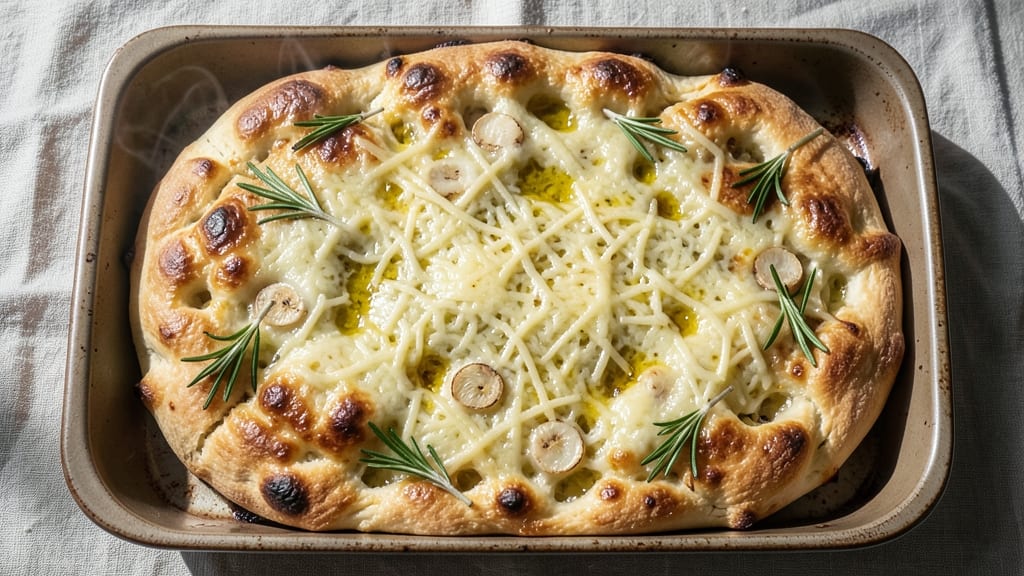
This Asiago focaccia bread recipe transforms a simple dough into a golden, cheesy masterpiece with crispy edges and a tender interior. The secret lies in blending Asiago cheese into the dough itself, ensuring every bite delivers that signature melty pull.
I've perfected this technique over countless batches, and the results consistently impress—even picky eaters can't resist the aromatic, cheesy allure.
The process begins with a straightforward dough that incorporates Asiago cheese directly, creating a rich, nutty flavor throughout. Unlike traditional focaccia, this version requires no fancy techniques—just a few key steps: mixing, kneading, proofing, and baking at high heat.
The cheese not only enhances flavor but also contributes to a slightly denser, more satisfying texture that holds up beautifully to serving.
By the time it emerges from the oven, your focaccia will have a crispy, golden crust that crackles with every bite, while the interior remains soft and airy. The Asiago cheese pulls gently, creating pockets of gooey goodness that make this bread irresistible.
It's perfect for serving alongside soups, salads, or antipasto platters, or simply enjoyed warm with a drizzle of olive oil and a sprinkle of flaky sea salt.
This recipe delivers restaurant-quality results with minimal effort, making it ideal for both weeknight dinners and special occasions. The combination of crispy crust, tender interior, and melty cheese creates a focaccia that's as impressive as it is delicious. Ready to elevate your bread game? Let's get started.
Ingredients for asiago focaccia bread
Nine simple ingredients transform into a golden, cheesy focaccia masterpiece with crispy edges.
| Ingredient | Amount | Notes |
|---|---|---|
| All-Purpose Flour 🌾 | 4 cups | Spooned and leveled for accuracy |
| Active Dry Yeast 🍞 | ¼ oz | Or 2 1/4 tsp, room temperature |
| Granulated Sugar 🍚 | 1 tbsp | For yeast activation |
| Asiago Cheese 🧀 | 1 ½ cups | Shredded, medium-grated for texture |
| Extra-Virgin Olive Oil 🫒 | ¾ cup | Plus 2 tbsp for finishing |
| Warm Water 💧 | 1 ¼ cups | 110°F for optimal yeast activation |
| Diamond Crystal Kosher Salt 🧂 | 1 ½ tsp | Adjust to taste |
| Fresh Rosemary 🌿 | ½ oz | Finely chopped, stems removed |
| Flaky Sea Salt 🧂 | ¼ cup | For final sprinkle |
The Asiago cheese is non-negotiable here—Kraft brand or BelGioioso from the cheese aisle deliver that signature nutty pull. I always grab the pre-shredded kind (the good stuff, not the clumpy kind) to save time, but freshly grated adds extra texture. Trader Joe's has the best selection of Italian cheeses if you're willing to splurge. For the flour, King Arthur or Gold Medal are my go-tos—they give that perfect balance of chew and tenderness. The yeast? Fresh is ideal, but Saf-Instant works in a pinch if you forget to refrigerate it.
No fresh rosemary? Dried works at half the amount, but trust me on the fresh—it adds that piney aroma that makes this focaccia smell like a Tuscan bakery. Short on Asiago? Parmigiano-Reggiano or Pecorino Romano work in a bind, though the flavor profile shifts slightly. The olive oil matters too—California avocado oil has a higher smoke point for crispier crusts, but extra-virgin olive oil adds authentic flavor. Need to substitute the flaky sea salt? Maldon is the gold standard, but any flaky salt will do—just sprinkle generously before baking.
This dough keeps beautifully in the fridge for 48 hours wrapped in plastic, so make it ahead if you're planning to bake later. For best results, let it sit at room temperature for 1 hour before shaping. The focaccia freezes wonderfully too—slice and freeze the baked loaf, then toast straight from frozen. I always bake two batches and freeze extras for quick breakfasts or antipasto platters. Store-bought olive oil? Use it up first—this recipe highlights fresh, high-quality ingredients.
Why You'll Love This Recipe
- No-Knead Magic: I swear by this—just mix the dough, let it rise, and forget about it. The yeast does all the work while you sip coffee or scroll through your phone. (Yes, even on a Tuesday night.)
- Cheese Pulls Punch: That Asiago? It’s the star—sharp, salty, and melty, cutting through the rich olive oil like a dream. The first bite makes me reach for another slice, no question.
- Weeknight Workhorse: Toss it with roasted veggies for dinner, use it as a base for bruschetta, or freeze slices for toast later. It’s my go-to for lazy nights or when I’m feeding a crowd.
- Budget-Friendly Luxury: A block of Asiago and a bottle of olive oil stretch farther than you’d think. Plus, the dough’s forgiving—no fancy tools, no wasted ingredients. Just solid, reliable flavor.
Step-by-step instructions for Asiago focaccia bread with melty cheese pulls
Here's the method for creating that perfect golden crust with gooey Asiago cheese pulls every time.
Activate the Yeast and Mix the Dough
In a large mixing bowl, combine the 1.25 cups warm water (about 110°F) with the 1 tbsp granulated sugar and 0.25 oz active dry yeast. Let this sit for 5-10 minutes until it becomes frothy and bubbly—this confirms your yeast is active. If it doesn't bubble, your yeast might be dead, and you'll need to start over.
Once bubbly, add the 4 cups all-purpose flour and 1.5 tsp Diamond Crystal kosher salt to the bowl. Mix with a wooden spoon until a shaggy dough forms. Then, drizzle in the 0.75 cup extra-virgin olive oil and mix again until the dough comes together. The dough should be soft and slightly sticky—this is normal for focaccia.
Knead and Let the Dough Rest
Transfer the dough to a lightly floured surface and knead for about 5 minutes until smooth and elastic. You're not trying to develop gluten like you would with pizza dough—just enough to make it cohesive. Shape the dough into a rectangle and place it in a lightly oiled bowl.
Cover the bowl with a damp kitchen towel and let the dough rise in a warm place for 1-2 hours or until it has nearly doubled in size. The dough should feel light and airy when you press it gently—this is your cue that it's ready for shaping. If it doesn't rise much, your kitchen might be too cool, and you may need to extend the time.
Shape and Prep the Dough for Baking
Preheat your oven to 425°F and line a 9x13-inch baking pan with parchment paper, leaving an overhang on the sides for easy removal. Transfer the risen dough to the prepared pan and gently press it out to fit the pan, using your fingers to create dimples all over the surface. This helps create those signature air pockets.
Drizzle the dough with the remaining 2 tbsp extra-virgin olive oil, letting it absorb into the surface. Then, sprinkle evenly with the 1.5 cups shredded Asiago cheese and the 0.5 oz finely chopped fresh rosemary. Press the cheese and herbs lightly into the dough so they adhere well. Let the dough rest for 20-30 minutes while the oven preheats—this allows the flavors to meld.
Bake Until Golden and Cheesy
Bake the focaccia for 20-25 minutes until the top is deeply golden brown and the cheese is bubbling and pulling in places. The edges should be crisp, and the center should feel soft but not wet when pressed gently. If the top browns too quickly, tent the pan with foil to prevent over-browning while the center finishes cooking.
Remove the focaccia from the oven and immediately sprinkle the top with the 0.25 cup flaky sea salt, pressing it lightly into the surface. Let it cool in the pan for 5 minutes before transferring to a wire rack. The crust will firm up as it cools, but the cheese inside will remain gooey and pullable—exactly as it should be.
Serve Warm for Maximum Enjoyment
Slice the focaccia into squares and serve it warm, straight from the pan. The contrast of the crispy, golden crust with the melty, cheesy interior and herby aroma is what makes this focaccia unforgettable. Pair it with a simple olive oil dip or enjoy it as-is—either way, you'll want to savor every bite.
This focaccia keeps well at room temperature for 2 days or can be frozen for up to 1 month. Just reheat slices in a 350°F oven for 5-7 minutes to restore that perfect texture and melty cheese.
Pro Tips For Making Asiago Focaccia Bread
- STRETCH THE DOUGH: Use the first 30 minutes of rising to gently press and fold the dough edges toward the center—this builds structure without overworking it. I learned this the hard way after flattening a batch into a sad pancake.
- GRATE ASIAGO FINE: Skip the block cheese and grate your Asiago yourself—pre-shredded sticks together and lacks that meltable magic. A box grater works best; it distributes evenly and melts into golden pockets.
- DON’T OVERPROOF: Your dough is ready when it’s puffed but still springs back slowly (not instantly) when poked—usually 1 to 1.5 hours at room temp. I once left mine overnight and ended up with a dense brick.
- OIL THE PAN HOT: Brush that baking sheet with olive oil after preheating—it prevents sticking and gives the bottom a crispier crust. Cold oil = soggy bottom; trust me, I’ve done both.
Best sauces and condiments for this recipe
Olive Oil Drizzle
A simple drizzle of extra-virgin olive oil is my go-to finishing touch for Asiago focaccia. I recommend using 2 tablespoons of high-quality oil like California avocado oil or Colavita—its peppery notes complement the nutty Asiago beautifully.
Warm the oil slightly before drizzling so it absorbs into the crust, enhancing the bread's richness. 🫒
Balsamic Glaze
For a sweet-tangy contrast, drizzle warm focaccia with 1-2 tablespoons balsamic glaze (I love Balsamic Crema from Trader Joe's). The reduction's depth cuts through the cheese's intensity while adding a sophisticated touch. Let it sit for 5 minutes before serving so the flavors meld perfectly.
Garlic Confit
Infuse 4 cloves roasted garlic in ¼ cup olive oil for 30 minutes** at 300°F until golden. Spread this garlicky oil on warm focaccia slices—it adds a mellow, aromatic depth that pairs wonderfully with the Asiago's sharpness. Store-bought confit works in a pinch!
Whipped Ricotta
Whip ½ cup ricotta with 1 tbsp honey and ½ tsp vanilla extract until smooth. Spread this creamy mixture on focaccia slices before serving—it balances the bread's saltiness while adding a luxurious texture. I often sprinkle with toasted pine nuts for crunch.
Spicy Honey
Combine 2 tbsp honey with ½ tsp crushed red pepper flakes and 1 tsp lemon juice for a sweet-spicy drizzle. The heat contrasts the cheese's richness while the honey adds caramelized depth. Drizzle just before serving to maintain the spice's kick. 🌶️
Antipasto Toppings
Create a mini antipasto board by topping focaccia slices with thinly sliced prosciutto, marinated artichoke hearts, and roasted cherry tomatoes. The salty, tangy, and umami flavors complement the Asiago perfectly—ideal for a charcuterie-style serving.
Nutrition facts
Frequently asked questions
Can I use pre-shredded Asiago cheese for this recipe?
Yes, but choose a high-quality pre-shredded brand like Kraft or BelGioioso to avoid the clumpy texture of cheaper versions. For even better texture, freshly grate 1.5 cups of Asiago cheese yourself—it melts more smoothly and creates those signature cheese pulls.
Why did my focaccia turn out dense instead of airy?
Dense focaccia usually means the dough didn't rise enough or was over-kneaded. Ensure your yeast is active (it should bubble within 5-10 minutes in warm water) and let the dough rise in a warm spot for 1-2 hours until nearly doubled. Also, avoid over-kneading—just 5 minutes is enough to make it cohesive.
Can I make this focaccia without rosemary?
Swap rosemary for ½ tsp dried thyme or 1 tsp dried oregano for a different herbal note. For a savory twist, try ½ tsp garlic powder or 1 tbsp chopped sun-dried tomatoes. Just ensure you adjust the seasoning to taste—herbs like rosemary add depth, so omit them carefully.
How do I store leftovers to keep them fresh?
Store focaccia at room temperature in an airtight container for 2 days or freeze for up to 1 month. To reheat, wrap slices in foil and warm in a 350°F oven for 5-7 minutes until the cheese is melty again. For extra crispiness, broil for 1-2 minutes at the end.
Can I bake this in a different-sized pan?
Yes, but adjust the baking time slightly. A 9x13-inch pan is ideal, but a 9x9-inch pan will yield thicker focaccia that may need 5-10 extra minutes to bake through. Avoid pans smaller than 8x8 inches—the dough will spread unevenly, and the edges may overcook.