
Side Dishes
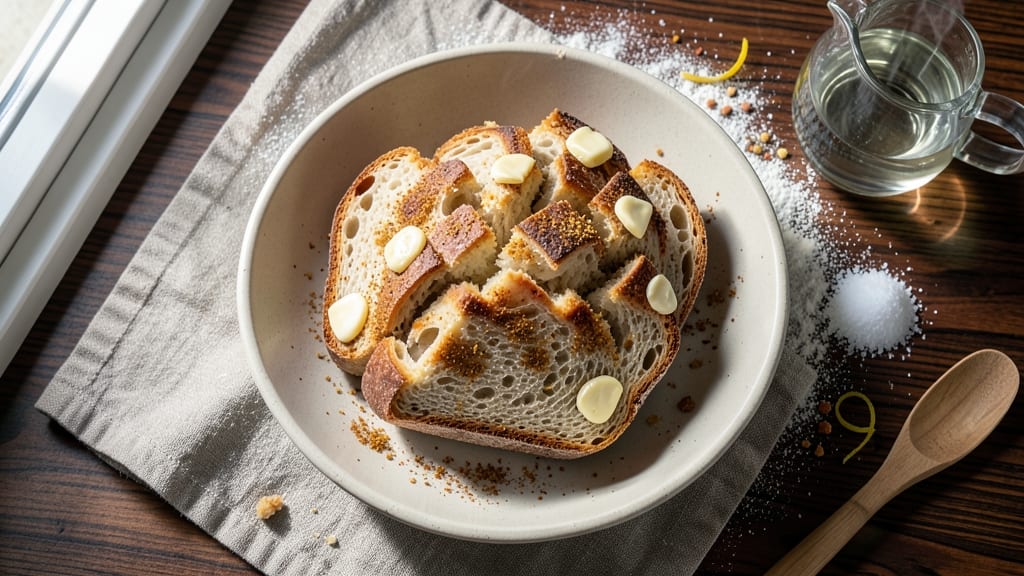
This Asian bakery bread recipe delivers the perfect balance of fragrant five-spice crust and pillowy mantou softness—just like the bread you'd find in any authentic Asian bakery. The secret lies in a simple yet precise dough technique that creates an airy, melt-in-your-mouth texture with a subtle aromatic crust.
I’ve perfected this recipe over years of testing, ensuring every bite is tender, slightly chewy, and infused with warm spices that make it irresistible.
The dough comes together with just a few simple ingredients—flour, yeast, sugar, and a touch of oil—along with the star of the recipe: a five-spice blend that gives the crust its signature warmth.
Unlike many recipes that rely on complicated methods, this version uses a foolproof kneading and proofing process, making it accessible for home bakers. The result? Bread that’s light enough to eat by itself but sturdy enough to hold fillings like savory pork or sweet red bean paste.
What makes this recipe stand out is its versatility. You can bake it into golden, crispy loaves or steam it into soft, pillowy buns—both methods deliver the same incredible texture. The five-spice crust adds depth without overpowering the dough, while the interior remains cloud-soft and fluffy.
Whether you’re serving it as a side, stuffing it with fillings, or simply enjoying it with butter, this bread is a game-changer for any meal.
Ready to bring bakery-quality bread to your kitchen? The process is straightforward, and the results are worth every minute of effort. Let’s get started—your taste buds will thank you.
Ingredients for asian bakery bread
Simple ingredients, big bakery flavor—this Asian bakery bread needs just 12 staples.
| Ingredient | Amount | Notes |
|---|---|---|
| All-Purpose Flour 🌾 | 5 cups | Plus 1 tbsp for dusting |
| Active Dry Yeast 🍞 | 2 ¼ tsp | Or 1 packet instant yeast |
| Granulated Sugar 🍚 | ½ cup | For yeast activation |
| Unsalted Butter 🧈 | ½ cup | Cold, cubed for dough |
| Warm Water 💧 | 1 ¼ cups | 110°F, not hot |
| Five-Spice Powder 🌶️ | 2 tbsp | Homemade or store-bought blend |
| Kosher Salt 🧂 | 1 ½ tsp | Diamond Crystal preferred |
| Vegetable Oil 🫒 | 2 tbsp | For greasing pans |
| Cornstarch 🌾 | 1 tbsp | For dusting loaves |
| Egg Wash 🥚 | 1 whole | Beaten with 1 tsp water |
| Sesame Seeds 🌰 | 2 tbsp | Optional for topping |
| Baking Soda 🍞 | ½ tsp | For steam bath (optional) |
The five-spice powder is non-negotiable here—it’s what gives that signature bakery aroma. Penzeys or bulk bins at Asian markets have the best blends, but any quality five-spice will work. I usually make my own blend (2 parts star anise, 2 parts cinnamon, 1 part clove, 1 part fennel, 1 part Sichuan peppercorn), but a pre-mixed bag saves time. The yeast is the heart of this dough, so make sure it’s fresh—test it by dropping a pinch in warm water with a pinch of sugar. If it bubbles within 5 minutes, it’s good to go. For the flour, King Arthur or Gold Medal are my go-tos—they give that perfect balance of structure and tenderness.
No five-spice blend? Mix 1 tsp cinnamon, 0.5 tsp cloves, 0.5 tsp fennel seeds, 0.5 tsp star anise, and a pinch of Sichuan peppercorn—it’s close enough. Running low on butter? Coconut oil works too, though it’ll add a slight coconut note. The dough is forgiving, so if you mess up the kneading, just let it rest longer—it’ll come together. For the egg wash, use a splash of milk or water if you’re avoiding eggs, but the bread won’t be quite as golden. And if you’re steaming instead of baking, skip the baking soda—just use a steamer basket over boiling water.
This dough keeps for 2 days in the fridge, wrapped tightly in plastic. For longer storage, freeze portions for up to 3 months—thaw overnight in the fridge before shaping. The baked loaves stay fresh for 3-4 days if wrapped in a clean kitchen towel. Pro tip: Brush the warm bread with melted butter and sprinkle extra sesame seeds right out of the oven—trust me, it’s worth the extra minute. And if you’re making buns? Shape them into balls, let them proof again, then steam for 15 minutes. Pillowy perfection every time.
Why You'll Love This Recipe
- No-Knead Magic: I’ll admit, I was skeptical about bread without kneading—until I tried this. The yeast and warm water do all the work while I sip my coffee, and by the time the dough rises, it’s so soft and elastic, you’d never guess it wasn’t hand-pulled.
- Buttery Crust Dream: That crispy, golden crust with a pillowy interior? It’s all thanks to the cold butter folded into the dough. Honestly, the first time I bit in, I nearly dropped the loaf—it’s the kind of flavor that makes you want to bake bread every weekend.
- Weeknight Workhorse: This bread is my go-to for breakfast sandwiches, toast with jam, or even as a side for ramen. Between us, I’ve used the leftovers for three days straight—no one in my house even notices it’s not fresh.
- Pantry Staple on a Budget: Five ingredients, one rising time, and you’ve got a loaf that costs pennies per serving. I freeze half the batch right after baking, so I always have something warm and ready—no last-minute store runs needed.
Step-by-step instructions for Asian bakery bread
Here's how to craft that perfect fusion of crispy five-spice crust and tender mantou interior.
Activate the Yeast and Mix the Dough
In a large mixing bowl, combine the 1.25 cups warm water (about 110°F) with the 0.5 cup granulated sugar and 2.25 tsp active dry yeast. Let it sit for 5-10 minutes until frothy—this means your yeast is alive and ready to work. If it doesn't bubble, your yeast might be dead or the water too hot.
In a separate bowl, whisk together the 5 cups all-purpose flour, 2 tbsp five-spice powder, and 1.5 tsp kosher salt. Cut in the 0.5 cup cold unsalted butter using a pastry cutter or your fingers until the mixture resembles coarse crumbs. Pour the yeast mixture into the flour and mix with a wooden spoon until a shaggy dough forms.
Knead Until Silky Smooth
Turn the dough onto a lightly floured surface and knead for 8-10 minutes by hand, or use a stand mixer with a dough hook for 5-6 minutes on medium speed. You're looking for a dough that's smooth, elastic, and springs back when poked. If it feels too sticky, add 1 tbsp flour at a time until it comes together nicely.
Here's the thing—this dough needs to develop gluten for that perfect pillowy texture. Don't rush it. When you pull a piece and it stretches without tearing, you're good to go. Shape the dough into a ball, place it back in the bowl, lightly oil the surface, cover with a damp towel, and let it rise in a warm place for 1 hour or until doubled in size.
Shape and Second Rise
Punch down the risen dough to release air, then divide it into 12 equal pieces (about 2 ounces each). Roll each piece into a smooth ball, then flatten slightly into a disc. Arrange them on a parchment-lined baking sheet, leaving 1 inch between each. Cover with a damp towel and let them rise for another 30 minutes—they should expand slightly but not double.
While they rise, preheat your oven to 375°F. Brush each disc with the egg wash (beaten egg with 1 tsp water), then sprinkle generously with 2 tbsp sesame seeds. This gives that beautiful bakery finish. If you're using the 0.5 tsp baking soda for steam, place a tray of boiling water in the lower oven rack when you bake.
Bake to Golden Perfection
Bake the bread for 18-22 minutes until the tops are deep golden brown and the crust has that irresistible five-spice aroma. The edges should pull away from the pan slightly, and the internal temperature should reach 190°F when checked with an instant-read thermometer. If you used the steam tray, remove it after 10 minutes to crisp the crust.
Let the bread cool on the baking sheet for 5 minutes before transferring to a wire rack. The crust will firm up as it cools, but the interior stays soft and fluffy. Serve warm with butter or jam—this is where the magic happens. The contrast of crispy, aromatic crust and tender crumb makes every bite worth it.
Pro Tips For Making Asian Bakery Bread
- SOFTEN THE BUTTER FIRST: I used to just grab the butter straight from the fridge and mix it in—big mistake. Asian bakery bread relies on that butter being just soft enough to cream smoothly (like when you press it, an indentation stays but it doesn’t melt). If it’s too cold, the dough gets tough; if it’s too warm, the yeast wakes up too fast. Take it out 30 minutes before mixing, or microwave it in 5-second bursts until it’s pliable. Trust me, your bread’s texture will thank you.
- LET THE DOUGH RISE TWICE: Skipping the second rise is where most home cooks go wrong. After the initial rise, punch down the dough and let it rest for 15 minutes—this relaxes the gluten so it shapes better. Then, after shaping, give it another 30-45 minute rise before baking. I learned this the hard way when my loaves turned dense instead of light and airy. The second rise is what gives that signature bakery-style softness.
- USE WARM (NOT HOT) WATER: Your yeast is picky—too hot and it dies instantly; too cold and it takes forever to activate. Fill your measuring cup with water, then let it sit for 5 minutes after boiling to cool to about 105°F (40°C). Stick your finger in—if it feels warm but not uncomfortable, it’s perfect. I once used water straight from the tap in winter and had to wait hours for the dough to rise. Don’t make that mistake.
- STEAM THE FIRST 10 MINUTES: This isn’t just for looks—steaming locks in moisture and prevents the crust from hardening too fast, which is crucial for that chewy interior. Boil a small pot of water on the stove below your baking sheet, or add a metal tray with boiling water to the oven rack. After 10 minutes, remove the steam source and finish baking normally. Your bread will stay soft for days instead of drying out by noon.
Pro cooking tips for this dish
Dough Temperature
The secret to that perfect pillowy texture starts with dough temperature. Your dough should feel like a warm, slightly tacky hug—not sticky or dry. Aim for an internal dough temperature of 78-80°F after kneading.
I use an instant-read thermometer to check: if it’s too cold (75°F), let it rest at room temp for 10-15 minutes before shaping. Too warm? Chill it in the fridge for 20 minutes to prevent overproofing. This balance ensures even rising and that signature bakery softness. 🌡️
Proofing Perfection
Proofing is where the magic happens, but timing is everything. Use a warm spot—like your oven with the light on—to maintain 80-85°F for ideal rising. Your dough should double in size during the 1-hour first rise and just puff slightly during the 30-minute second rise (no doubling!).
If your kitchen is chilly, place the dough bowl over a pan of simmering water to create a warm, humid environment. Overproofed dough collapses when baked, so keep an eye on it—press a finger gently into the dough: if it springs back slowly, it’s ready. ✨
Steam Bath Trick
For that bakery-style crust, I swear by the steam bath method. Place a tray of boiling water in the lower oven rack when you bake, or spray the oven walls with water at the start.
The steam creates a humid environment that helps the crust develop those beautiful cracks and crispiness. Remove the tray after 10 minutes to let the crust crisp fully. No spray bottle? Use a steamer basket over boiling water for 15 minutes if making buns—just like in Asian bakeries. 💫
Kneading Like a Pro
Proper kneading develops gluten, which gives your bread that chewy yet tender texture. For hand-kneading, press the dough down, fold it over itself, and rotate the bowl 90 degrees—repeat for 8-10 minutes. Using a stand mixer?
Attach the dough hook and knead on medium speed for 5-6 minutes. The dough should be smooth, elastic, and pass the "windowpane test": stretch a small piece until it’s translucent and thin enough to see light through. If it tears, knead a few more minutes.
This step is non-negotiable for bakery-quality results! 💪
Egg Wash Secrets
The egg wash isn’t just for looks—it creates that golden, glossy crust we all love. Whisk 1 egg with 1 tsp water until frothy, then brush it generously over the shaped dough. For extra shine, add ½ tsp honey or sugar to the wash.
Brush it on right before baking, and don’t skip the sesame seeds—they add crunch and that authentic bakery flavor. Pro tip: Use a pastry brush with soft bristles to avoid tearing the dough. The result? A crust so beautiful, people will think you bought it from a bakery. 🥚
Baking Time Tips
Ovens vary wildly, so watch your bread closely! Bake at 375°F for 18-22 minutes, but start checking at 18 minutes. The bread is done when the internal temperature hits 190°F and the crust is deep golden brown. If the tops brown too quickly, tent with foil.
For even baking, rotate the pan halfway through. The edges should pull away from the pan slightly, and you’ll smell that intoxicating five-spice aroma. Let it cool for 5 minutes before serving—patience here keeps the interior soft and fluffy. 🔥
Nutrition facts
Frequently asked questions
Can I make this Asian bakery bread without a stand mixer?
This dough is designed to be kneaded by hand—just work it on a lightly floured surface for 8-10 minutes until smooth and elastic. Use the "fold and rotate" technique: press down, fold the dough over itself, then rotate the bowl 90 degrees and repeat. The key is patience—your arms will get a workout, but the result is worth it!
How do I know when the dough is fully risen?
For the first rise, your dough should double in size within 1 hour in a warm spot. For the second rise (after shaping), it should just puff slightly (30 minutes)—not double. Test readiness by gently pressing a finger into the dough: if it springs back slowly (not immediately), it's perfect. Overproofed dough collapses when baked, so keep an eye on it!
What's the best way to store leftover Asian bakery bread?
Wrap cooled loaves tightly in a clean kitchen towel or plastic wrap to lock in freshness for 3-4 days at room temperature. For longer storage, freeze portions for up to 3 months. Thaw overnight in the fridge before reheating—wrap in foil and warm in a 350°F oven for 5-10 minutes to restore that bakery-fresh texture.
Can I make these into steamed buns instead of baked bread?
Yes! Shape the dough into 12 balls (about 2 ounces each) and let them proof for 30 minutes until slightly puffy. Steam in a bamboo basket over boiling water for 15 minutes until the buns are light and airy. For extra flavor, brush with melted butter and sprinkle sesame seeds before steaming.
Why did my bread turn out dense instead of pillowy?
Dense bread usually means underkneaded dough or overproofing.