
Side Dishes
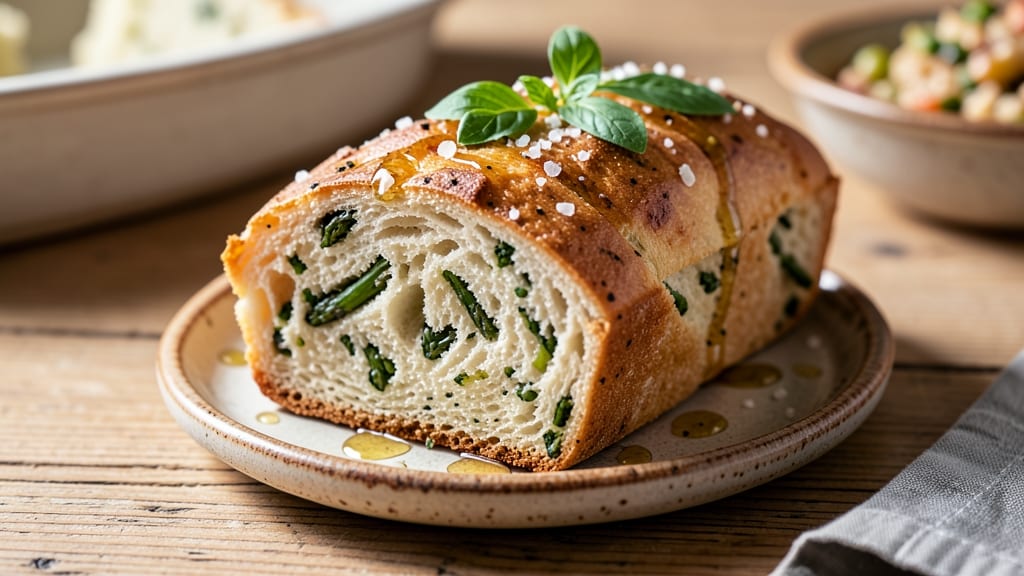
This asparagus bread recipe transforms spring’s finest harvest into a golden, herb-scented loaf with crisp edges and tender swirls of asparagus-infused dough. The secret lies in blending finely chopped asparagus into the dough—just enough to add flavor without overpowering the bread’s natural richness.
What starts as a simple yeast-based dough becomes a fragrant centerpiece, perfect for sandwiches or served alongside soups.
What sets this recipe apart is the foil-sealed crispiness—a technique that ensures the bread develops a caramelized crust while staying soft inside. The dough incorporates fresh herbs like dill and chives alongside the asparagus, creating layers of savory depth.
Unlike traditional breads, this version stays moist for days thanks to the asparagus’ natural moisture retention.
By the time it emerges from the oven, you’ll have a vegetarian-friendly loaf with a golden crust and pockets of asparagus-infused goodness. The aroma alone will have everyone asking for seconds, while the texture delivers that perfect balance of crisp and tender.
This isn’t just bread—it’s a spring celebration in every bite.
Pair it with a light salad or serve warm with butter—this recipe turns a simple side into the star of your meal. Let’s get baking!
Ingredients for asparagus bread
Transform spring’s bounty into a fragrant, herb-infused loaf with crisp edges and tender swirls.
| Ingredient | Amount | Notes |
|---|---|---|
| All-Purpose Flour 🌾 | 4 cups | Unbleached preferred for better texture |
| Active Dry Yeast 🍞 | 2 ¼ tsp | Ensure yeast is fresh and active |
| Granulated Sugar 🍚 | ¼ cup | Feeds yeast for optimal rise |
| Unsalted Butter 🧈 | ½ cup | Cold, cubed for even distribution |
| Whole Milk 🥛 | ¾ cup | Warmed to 110°F for activation |
| Fresh Asparagus 🍃 | 1 lb | Tender stalks, finely chopped |
| Fresh Dill 🌿 | ¼ cup | Chopped finely for herb infusion |
| Fresh Chives 🌱 | ¼ cup | Thinly sliced for delicate flavor |
| Garlic Cloves 🧄 | 2 cloves | Minced for aromatic depth |
| Diamond Crystal Kosher Salt 🧂 | 1 ½ tsp | Adjusts seasoning precisely |
| Black Pepper 🌶️ | ½ tsp | Freshly cracked for intensity |
| Olive Oil 🫒 | 2 tbsp | For dough and brushing |
| Sesame Seeds 🌻 | 1 tbsp | Optional for decorative finish |
The asparagus is the star here—look for bright green stalks with tight tips at your local farmers market or grocery store’s produce section. Whole Foods or Trader Joe’s often carry the tenderest varieties, but any fresh asparagus will work. Trim the woody ends and finely chop the stalks, reserving a few for garnish if desired. Fresh herbs like dill and chives elevate the flavor, so purchase them from the same market for peak freshness. If using dried herbs, reduce to one-third the amount—freshness is key for that vibrant flavor profile.
No fresh dill? Substitute with 1 tbsp dried dill, but expect a milder taste. Swap chives for green onion tops if needed, though chives offer a more delicate onion flavor. For a gluten-free version, replace the all-purpose flour with a 1:1 gluten-free baking blend, though texture may vary. The butter can be substituted with vegan butter for a dairy-free option, though unsalted butter ensures precise seasoning control. If your yeast isn’t active, test it in warm water with sugar—it should foam within 5-10 minutes.
Store the bread in an airtight container at room temperature for up to 3 days, or freeze for up to 3 months for longer storage. Reheat slices in a 350°F oven for 5-7 minutes to restore crispiness. The foil-sealed technique ensures the bread stays moist, but for extra freshness, wrap it in a clean kitchen towel. This loaf pairs beautifully with soups or salads, and the asparagus flavor intensifies slightly the next day—perfect for meal prep.
Why You'll Love This Recipe
- No Yeast Struggles: I’ve made bread that took forever to rise—this one? Just toss in the yeast, let it sit while you boil the asparagus, and boom. Fifteen minutes of hands-off waiting, no fussy proofing box needed.
- Butter-Meets-Asparagus Magic: That first pull-apart bite—warm, buttery crust with hidden asparagus threads—is next-level. Honestly, the milk and butter make the crust so rich, you’ll forget it’s secretly veggie-packed.
- Weeknight Hero: Cold slices for breakfast? Check. Sandwiches for lunch? Done. Even reheated, it’s better than store-bought. I keep a loaf in the fridge for days—no one questions why I’m eating bread at 11 AM.
- Pantry Staple Power: Flour, yeast, sugar, butter—you’re already stocked. No specialty ingredients, no last-minute grocery runs. And if you bake two, the second loaf freezes like a dream for lazy mornings.
Step-by-step instructions for asparagus bread with savory herb swirls
Here's the method for creating a rich, herbed bread with tender asparagus swirls and a perfectly crisp crust.
Prepare the Asparagus Filling and Activate the Yeast
Preheat your oven to 375°F and line a baking sheet with parchment paper. Trim the tough ends from the 1 lb fresh asparagus, then finely chop the stalks into ¼-inch pieces. In a small skillet, heat 1 tablespoon olive oil over medium heat and sauté the chopped asparagus for 4-5 minutes until just tender but still vibrant green.
In a separate small bowl, combine the sautéed asparagus with the 0.25 cup finely chopped fresh dill, 0.25 cup thinly sliced fresh chives, 2 minced garlic cloves, 0.5 tsp black pepper, and 0.75 tsp diamond crystal kosher salt. Set this mixture aside to cool slightly. Meanwhile, in the bowl of a stand mixer fitted with the dough hook attachment, whisk together the 0.75 cup warm whole milk (about 110°F), 0.25 cup granulated sugar, and 2.25 tsp active dry yeast. Let this mixture sit for 5-10 minutes until it becomes foamy and bubbly—this confirms your yeast is active.
Mix the Dough and Incorporate the Asparagus Filling
Add the 4 cups all-purpose flour and 0.75 tsp remaining diamond crystal kosher salt to the yeast mixture. Using the dough hook on low speed, mix until the dough begins to come together, then gradually add the 0.5 cup cold cubed unsalted butter in small pieces, allowing it to incorporate fully before adding more. Increase the speed to medium and knead for 5-7 minutes until the dough is smooth, elastic, and pulls away from the sides of the bowl.
Transfer the dough to a lightly floured surface and divide it into two equal pieces. Roll each piece into a 12x8-inch rectangle, about ¼-inch thick. Spread the asparagus filling evenly over one rectangle, leaving a ½-inch border uncovered. Fold the plain rectangle over the filled one to create a sealed packet, then roll it tightly from the short end to form a log. Repeat with the remaining dough and filling.
Shape and Proof the Dough
Place each log seam-side down on a parchment-lined baking sheet. Brush the tops generously with 1 tablespoon olive oil and sprinkle with the 1 tablespoon sesame seeds. Cover the baking sheets loosely with a kitchen towel and let the dough rise in a warm place for 1-1.5 hours, or until the logs have nearly doubled in size and feel light when pressed gently. The dough should spring back slowly rather than immediately—this indicates proper proofing.
While the dough proofs, preheat your oven to 375°F with a baking stone or inverted baking sheet on the middle rack. This ensures even heat distribution for crispy crusts. Once the dough has risen, make a shallow slit down the center of each log using a sharp knife—this allows for expansion without bursting.
Bake with Foil-Sealed Crispiness
Bake the bread loaves for 25-30 minutes until they're deeply golden brown and sound hollow when tapped on the bottom. For extra crispiness, tent the loaves with aluminum foil during the last 10 minutes of baking—this traps steam and creates a tight, crackly crust. Remove the foil and continue baking until the bread reaches an internal temperature of 190-200°F.
Transfer the loaves to a wire rack and let them cool for at least 15 minutes before slicing. The bread should have a crisp exterior with a soft, airy interior punctuated by tender asparagus swirls. For the best texture, serve warm with your favorite butter or olive oil for dipping.
Pro Tips For Making Asparagus Bread
- Bloom the yeast warm: Dump the yeast into the milk first—warm it to about 105°F (not boiling, not cold) and let it sit for 5-7 minutes until it looks frothy and smells yeasty. I learned this the hard way when my dough took forever to rise because the yeast was still asleep in a lukewarm pool.
- Cut asparagus small: Pulse the asparagus in a food processor until it’s tiny—think rice-sized pieces, not thick spears. Big chunks won’t cook evenly and can make the bread dense. (Yes, even if you’re impatient like me, take the 30 seconds to do it right.)
- Don’t overmix the dough: Stir the dough just until the flour is incorporated—overworking it develops gluten and turns your bread into a chewy brick. Two minutes max after adding flour, then let the yeast do the heavy lifting. I used to punch and fold like a maniac until my grandmother showed me the lazy way.
- Proof in a warm spot: Skip the oven and proof the dough in a bowl on top of the fridge with the light on—it’s warmer than you’d think and gives a consistent rise. If your kitchen is chilly, this guarantees a fluffy texture without waiting hours. (Your future self will thank you.)
Perfect pairings for this asparagus bread
Spring Salad Pairings
Serve your asparagus bread alongside a vibrant spring pea and mint salad—toss 2 cups fresh peas, 1 cup baby spinach, ¼ cup sliced radishes, and 2 tbsp fresh mint with a lemon-olive oil dressing.
The bright acidity cuts through the bread’s richness, while the peas complement the asparagus flavor. 🌿
For a heartier option, try a goat cheese and asparagus salad with 4 spears roasted asparagus, ½ cup crumbled goat cheese, and ¼ cup toasted walnuts. Drizzle with a honey-Dijon vinaigrette—this creates a perfect balance of creamy, crunchy, and tangy textures that elevate the bread.
Soup Complements
A creamy leek and potato soup makes an ideal pairing—its velvety texture contrasts beautifully with the bread’s crisp crust. Stir in 1 cup heavy cream and 2 tbsp grated Parmesan at the end for extra richness. The soup’s earthy flavors harmonize with the asparagus and herbs in the bread.
For a lighter option, a tomato-basil bisque with a swirl of balsamic glaze adds a refreshing contrast. The acidity of the tomatoes and the sweetness of the balsamic enhance the bread’s savory notes while keeping the meal balanced.
Dipping Sauces
Whip up a quick herbed yogurt dip by mixing ½ cup Greek yogurt with 1 tbsp lemon juice, 1 tbsp chopped dill, and ½ tsp garlic powder. This creamy dip highlights the bread’s herbaceous flavors and adds a cooling element to each bite. ✨
For a richer option, try a garlic-aioli spread—combine ½ cup mayonnaise with 1 minced garlic clove, 1 tsp lemon zest, and ½ tsp smoked paprika. The bold garlic flavor ties into the asparagus and herbs, making every slice irresistible.
Wine and Beverage Pairings
A crisp Sauvignon Blanc from New Zealand is my go-to pairing—its citrusy notes and herbal undertones mirror the asparagus and dill in the bread. Look for a bottle with bright acidity to cleanse your palate between bites. 🍷
For a non-alcoholic option, a sparkling cucumber-mint cooler works beautifully. Mix 1 cup sparkling water, 2 tbsp cucumber juice, 1 tbsp lime juice, and 4 fresh mint leaves. The effervescence and coolness provide a refreshing contrast to the warm, savory bread.
Nutrition facts
Frequently asked questions
Can I use frozen asparagus instead of fresh in this recipe?
Fresh asparagus gives the best flavor and texture, but you can use frozen if needed. Thaw and drain well first, then pat completely dry before chopping. For optimal results, sauté frozen asparagus for 1-2 minutes longer than fresh to remove excess moisture. The bread will still be delicious, though the flavor will be slightly milder.
How do I know when my yeast is active?
Test your yeast by mixing 2.25 tsp with ¼ cup warm milk (110°F) and ½ tsp sugar. If it foams and bubbles within 5-10 minutes, your yeast is active. If not, your yeast may be old—replace it with fresh yeast for best results.
Can I make this bread gluten-free?
Yes, but texture may differ. Replace all-purpose flour with a 1:1 gluten-free baking blend and add ½ tsp xanthan gum if your blend doesn't contain it. Expect a denser crumb—bake for 5-10 minutes longer and check internal temperature (190-200°F) for doneness.
Why did my bread turn out dense instead of light and airy?
Dense bread usually means the yeast didn't activate properly or the dough wasn't kneaded enough. Double-check your yeast test, ensure your milk was warm (110°F), and knead for 5-7 minutes until smooth. Also, avoid overproofing—dough should double in size in 1-1.5 hours, not longer.
How can I store leftovers for maximum freshness?
Wrap cooled bread tightly in plastic wrap or store in an airtight container at room temperature for 3 days. For longer storage, freeze slices wrapped in foil for up to 3 months. Reheat in a 350°F oven for 5-7 minutes to restore crispiness.