
Side Dishes
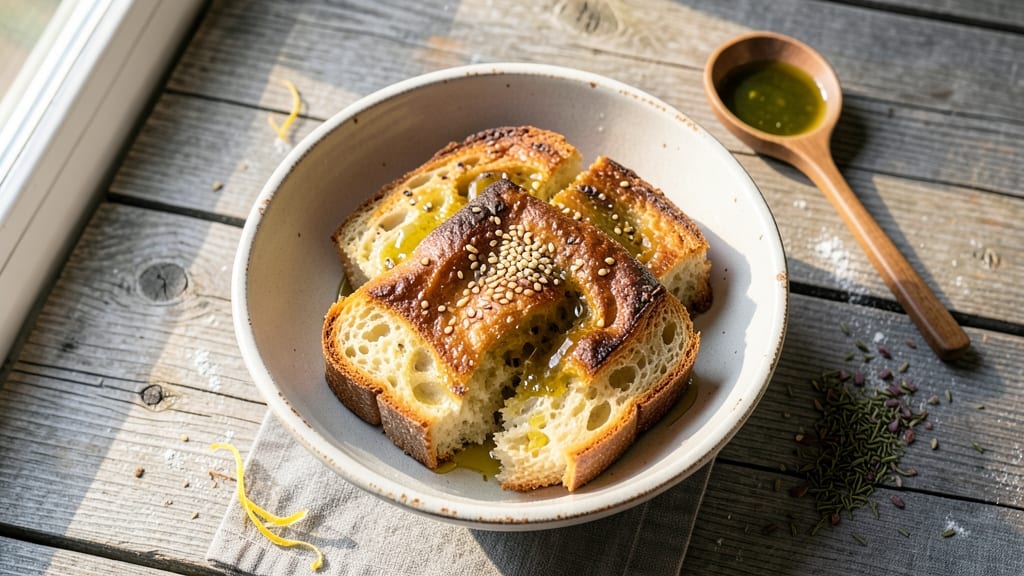
This asphodel bread recipe transports you to ancient Greece with its simple yet profound tradition—crafted from just flour, water, and olive oil, it carries deep cultural significance. Historically, this dense, slightly chewy bread was served at Greek mourning rituals, symbolizing both sustenance and remembrance.
What makes it extraordinary is its minimalist approach: no yeast, no eggs, just pure, rustic flavor that develops through slow baking.
The preparation unfolds in three essential stages: kneading the dough until smooth, allowing it to rest for maximum texture, and baking until golden brown. The result is a bread with a tender crumb and subtle olive oil richness—perfect for dipping in olive oil or pairing with fresh herbs.
Its vegan nature and straightforward ingredients make it accessible, yet the technique ensures an authentic, heartfelt taste that connects you to centuries of tradition.
What sets this bread apart is its versatility—serve it warm alongside grilled meats or fish, or enjoy it as a simple side with a drizzle of olive oil and a sprinkle of dried oregano.
The texture is dense yet satisfying, with a slight chew that lingers pleasantly. Whether you're honoring heritage or simply craving a taste of history, this bread delivers both cultural depth and comforting simplicity.
Ready in about 45 minutes, it requires minimal effort but yields maximum reward—no yeast to worry about, no precise measurements to stress over. The key lies in patience: letting the dough rest and baking it slowly to develop its signature texture.
This is bread that tells a story with every bite, one that’s as much about tradition as it is about taste.
Ingredients for asphodel bread
Just three core ingredients transform into ancient Greek tradition—flour, olive oil, and water.
| Ingredient | Amount | Notes |
|---|---|---|
| All-Purpose Flour 🌾 | 3 cups | Unbleached preferred for texture |
| Extra-Virgin Olive Oil 🫒 | ½ cup | High-quality, fruity variety |
| Warm Water 💧 | 1 ½ cups | Just off the boil |
| Sea Salt 🧂 | 1 ½ tsp | Fine grain preferred |
| Dried Oregano 🍃 | 1 tsp | For traditional flavor |
| Sesame Seeds 🌰 | 1 tbsp | Optional for topping |
| Olive Oil 🫒 | 2 tbsp | For drizzling after baking |
The flour is the foundation—unbleached all-purpose gives that classic dense texture, but whole wheat works too if you want extra rustic flavor. Extra-virgin olive oil is non-negotiable here; Kalamata or Greek varieties add depth, but any high-quality EVOO will do. Warm water (just off the boil) activates the flour perfectly—no need for yeast or eggs. Diamond Crystal kosher salt dissolves cleanly, but any fine sea salt works. I always grab my olive oil from Trader Joe's—their Greek varieties are perfect for this recipe.
No extra-virgin olive oil? Light olive oil works in a pinch, but the flavor won't be as rich. Short on dried oregano? Fresh oregano at half the amount or thyme both work well. The sesame seeds are optional but add that authentic Greek touch—toasted for 30 seconds before sprinkling enhances their flavor. For the olive oil drizzle after baking, infused olive oils (like rosemary or garlic) add a fun twist. If you're feeling adventurous, a pinch of dried thyme in the dough adds another layer of flavor.
This dough keeps in the fridge for up to 3 days wrapped tightly in plastic—perfect for baking fresh whenever you're ready. For best results, bake immediately after shaping to maintain that tender crumb. Leftovers? Toast slices for a crispy texture, or freeze for up to 1 month—just thaw at room temperature before serving. The bread improves with age, developing deeper flavors over 24 hours if stored properly.
Why You'll Love This Recipe
- No-Knead Magic: I’ll admit, I was skeptical at first—just flour, oil, and water? But that warm water mixed into the dough? It’s chef’s kiss. No standing time, no overworking, just a simple fold and a long slow rise while I watch a movie. The texture ends up light and airy, like you actually put effort in.
- Oregano Kiss: Honestly, that dried oregano isn’t just a garnish—it’s the soul of this bread. The way it blooms in the oven, earthy and bright, makes every bite taste like a Mediterranean sunset. And the olive oil? Rich but not heavy, soaking into the crust perfectly.
- Meal Prep MVP: Between us, this is my lazy Sunday staple. Bake a loaf, slice it, and it keeps for days in the fridge—great for toast, charcuterie, or even sandwiches. I often make two loaves: one for the week, one to freeze. (Yes, even on a Tuesday night.)
- Pocketbook Hero: This recipe costs me pennies. Flour, oil, salt—ingredients I already have. No fancy starters, no yeast fuss, just pure, reliable bread that doesn’t break the bank. And when I double the batch? Leftovers become my next breakfast or snack, no waste.
Step-by-step instructions for ancient Greek asphodel bread
This rustic olive oil bread delivers authentic Greek flavor with minimal effort.
Combine Wet Ingredients for a Smooth Dough
In a large mixing bowl, pour the 1.5 cups warm water and add the 0.5 cup extra-virgin olive oil. Stir vigorously until fully emulsified—the mixture should become slightly thickened and glossy. This olive oil infusion creates the bread's signature tender crumb.
Next, dissolve the 1.5 teaspoons sea salt and 1 teaspoon dried oregano into the liquid. The salt should completely dissolve, and you should smell the distinct herbal aroma of oregano—this is your signal the ingredients are properly integrated. Let the mixture sit for 5 minutes to allow the oregano to fully bloom its flavor.
Gradually Incorporate the Flour
Add the 3 cups all-purpose flour to the wet mixture all at once. Using a wooden spoon or your hands, stir vigorously for 3-4 minutes until a shaggy dough forms. The dough will be sticky and wet—this is completely normal for asphodel bread. Avoid adding extra flour as it will compromise the bread's signature tender texture.
Once the dough comes together, transfer it to a lightly oiled surface and knead gently for 2-3 minutes just until it forms a cohesive ball. The dough should still feel soft and slightly tacky—this indicates proper hydration. If it feels too dry, add 1 tablespoon warm water at a time until it reaches the right consistency.
Shape and Rest the Dough
Divide the dough into 4 equal portions (about 8 ounces each) and shape each into a smooth ball. For an authentic look, gently flatten each ball into a 3-inch diameter round, then create a slight indentation in the center with your thumb. This traditional shape creates the bread's characteristic rustic appearance.
Place the shaped dough balls on a parchment-lined baking sheet, cover with a clean kitchen towel, and let them rest at room temperature for 30 minutes. This resting period allows the gluten to relax slightly, resulting in a more tender final texture. The dough should puff up slightly during this time—this indicates proper fermentation has begun.
Bake Until Golden and Crisp
Preheat your oven to 375°F with the rack positioned in the middle. Bake the dough balls for 20-25 minutes until they develop a deep golden-brown crust. You'll know they're done when they sound hollow when tapped on the bottom and the internal temperature reaches 190°F.
Immediately after removing from the oven, drizzle each loaf with 1 tablespoon olive oil (reserving the remaining for later). Sprinkle with 1 tablespoon sesame seeds for added texture and traditional flavor. Let the bread cool on a wire rack for 10 minutes before serving—this prevents the crust from becoming soggy.
Serve Warm with Olive Oil Drizzle
For an authentic presentation, drizzle the remaining 1 tablespoon olive oil over the cooled loaves. The bread should have a crisp exterior that gives way to a tender, slightly chewy interior with subtle olive oil flavor throughout. Serve warm with soups, salads, or enjoy as-is with a sprinkle of flaky sea salt for a simple but satisfying snack.
Pro Tips For Making Asphodel Bread
- Mix by Hand: DESCRIPTION: Skip the mixer—this dough needs the rough texture from kneading with your hands for 5-7 minutes. I used to try blending it into submission with a spoon, but the bread ends up dense and chewy instead of light and airy. Work it until it’s tacky but not sticky, and you’ll get that perfect crumb.
- Use Lukewarm Water: DESCRIPTION: Cold water makes the dough sluggish, and boiling water kills the yeast before it wakes up. Aim for water that’s warm to the touch (around 100°F/38°C)—like a hot bath, not a sauna. If you’re unsure, dip your finger in; it should feel pleasant, not scalding.
- Salt the Dough Twice: DESCRIPTION: Sprinkle half the salt into the dry flour first, then add the rest to the wet mix. This ensures even distribution, and the second sprinkle right before shaping seals in flavor. I learned this after tasting a slice with uneven saltiness—now every bite is consistent.
- Shape Loaves Tightly: DESCRIPTION: Press the dough into a rounded loaf shape, then fold the edges inward to create a smooth, taut surface. This traps steam during baking, giving you a crisp crust instead of a collapsed, sad-looking loaf. Think "snug hug," not "floppy blob."
Serving suggestions for asphodel bread
Traditional Greek Pairings
Asphodel bread shines alongside classic Greek dishes like grilled octopus or fava dip—the bread's dense texture soaks up the briny flavors beautifully. I love serving it with tzatziki for a cool contrast, or pairing it with olives and feta for a simple mezze spread.
The olive oil drizzle enhances the Mediterranean flavors naturally. 🍅
Olive Oil Drizzle Variations
Finish your bread with infused olive oils for extra flavor—try rosemary-infused for a herbal note or garlic-infused for a bold kick. For a sweeter touch, drizzle with honey (about 1 teaspoon) mixed with flaky sea salt. The combination balances the bread's rustic richness perfectly.
Herb and Cheese Toppings
Add fresh herbs like chopped dill or parsley right after baking for a vibrant finish. For a cheesy twist, sprinkle with crumbled feta while still warm—it melts slightly into the crust. I also enjoy topping with whipped goat cheese for a creamy contrast to the bread's chewy interior.
With Hearty Soups
This bread pairs wonderfully with Greek lentil soup or tomato-feta stew—its sturdy texture holds up to hearty broths. The bread's olive oil richness complements the acidity of the soups beautifully. Serve warm slices alongside for dipping or tearing into chunks for a rustic touch.
Breakfast or Snack Style
Toast slices lightly and top with avocado mash, cherry tomatoes, and a sprinkle of red pepper flakes for a Greek-inspired breakfast. For a sweet snack, spread with nut butter and drizzle with honey—the olive oil gives it a unique depth.
It's surprisingly versatile for such a simple bread!
Cultural Serving Rituals
In traditional Greek mourning rituals, asphodel bread was served with olive oil and herbs as a symbol of remembrance. Today, you can honor this by serving it with dried figs or walnuts—both ingredients historically paired with the bread. The simplicity of the presentation mirrors its deep cultural significance. 🌿
Nutrition facts
Frequently asked questions about asphodel bread
Why is this bread called "asphodel"?
Asphodel bread gets its name from the asphodel flower, which was traditionally associated with mourning in ancient Greek culture. The bread's simple ingredients and dense texture reflect its historical role as a humble offering during funeral rituals. Its name connects it directly to Greek heritage and the symbolic asphodel plant.
Can I make asphodel bread without olive oil?
While olive oil is traditional and essential for authentic flavor, you can substitute with avocado oil or neutral vegetable oil in a pinch. However, the taste and texture won't be quite the same—the rich, fruity notes of olive oil are what give this bread its signature Mediterranean character.
How do I store leftover asphodel bread?
Store wrapped tightly in plastic at room temperature for 2-3 days or freeze for up to 1 month. For best texture, reheat in a 350°F oven for 5-7 minutes or toast in a dry skillet until crispy. The bread actually develops deeper flavor when kept for 24 hours!
Is this bread gluten-free?
No, traditional asphodel bread contains wheat flour and isn't gluten-free. For a gluten-free version, substitute with a 1:1 gluten-free flour blend and add 1 extra tablespoon of oil to help bind the dough. The texture will be slightly different but still delicious.
Why does my dough feel too sticky?
The dough should be soft and slightly tacky—that's completely normal! Avoid adding extra flour as it will make the bread dense. If working with the dough becomes difficult, wet your hands slightly when shaping. The stickiness actually helps create that signature tender crumb.