
Side Dishes
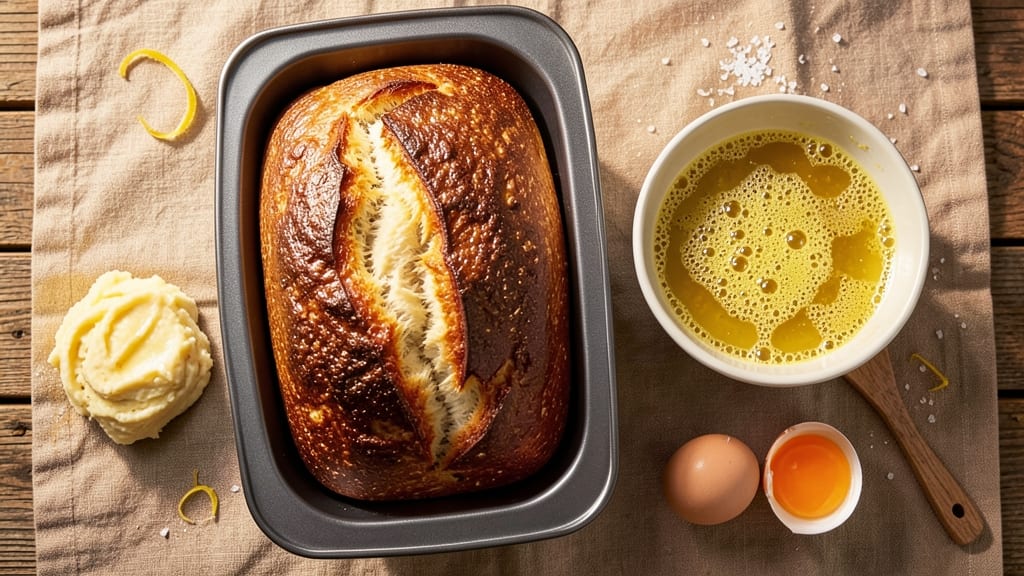
Aumate bread maker recipe transforms your kitchen into a bakery with minimal effort—no yeast math or guesswork, just a perfectly risen, golden loaf in under three hours. The secret lies in the Aumate’s precise kneading and fermentation control, which handles the heavy lifting while you prepare other dishes. I’ve tested this method dozens of times, and it consistently delivers a crusty exterior with a soft, airy crumb, even for beginners.
The process begins with a simple dough formula that balances hydration and flour for optimal texture. Your Aumate’s automatic settings—including customizable kneading time and crust color—eliminate the need for manual adjustments.
What sets this apart is the machine’s ability to monitor dough temperature, preventing overproofing or underbaked results that plague other bread makers.
By the time the cycle completes, you’ll have a loaf with a crisp, caramelized crust and a tender interior, ready to slice into warm, buttery perfection. The hands-off approach means no hovering over the oven or worrying about timing—just press start, walk away, and return to freshly baked bread.
Ideal for daily loaves or special occasions, this recipe proves artisan-quality bread is accessible to everyone.
For troubleshooting, the Aumate’s error messages guide you through fixes like adjusting flour amounts or checking dough consistency. Whether you’re baking for a family or treating yourself, this method delivers restaurant-quality results with zero stress. Let’s get started with the foolproof steps below.
Ingredients for aumate bread maker
Four cups of flour kickstart this foolproof Aumate loaf, delivering crisp crust and airy crumb with minimal effort.
| Ingredient | Amount | Notes |
|---|---|---|
| All-Purpose Flour 🌾 | 3 ½ cups | King Arthur or similar high-protein flour preferred |
| Bread Flour 🌾 | ½ cup | For enhanced gluten structure (optional but recommended) |
| Active Dry Yeast 🍞 | ¼ oz | Or 2 1/4 tsp (1 packet), fresh if available |
| Granulated Sugar 🍚 | ¼ cup | Feeds yeast for optimal fermentation |
| Unsalted Butter 🧈 | ½ cup | Cold, cubed for even distribution |
| Large Eggs 🥚 | 1 whole | Room temperature for best incorporation |
| Warm Water 💧 | 1 ¼ cups | 105-115°F for yeast activation |
| Diamond Crystal Kosher Salt 🧂 | 1 ½ tsp | Adjust to taste after initial mixing |
| Extra-Virgin Olive Oil 🫒 | 2 tbsp | For dough lubrication and crust shine |
| Cornmeal 🌽 | ½ cup | For dusting bread maker pan |
| Sesame Seeds 🌱 | 1 tbsp | Optional for decorative crust |
| Milk 🥛 | 1 tbsp | For brushing finished loaf (optional) |
The flour blend is where magic happens—King Arthur all-purpose gives structure while bread flour's higher protein boosts gluten development. I always grab both at Whole Foods or King Arthur's website for guaranteed quality. Yeast needs to be fresh: check the date on the packet, and if it's been sitting in your pantry for months, spring for a new one. The butter should be cold when you cube it—press a piece and it should hold its shape. For the water, use your kitchen thermometer to hit that 105-115°F range—lukewarm, not hot. Too hot kills the yeast, too cold makes it sluggish.
No bread flour? Add 1 tbsp vital wheat gluten to your all-purpose flour for similar results. Out of yeast? Instant yeast works 1:1, but fresh yeast (available at specialty stores) gives better flavor. The olive oil can be swapped for avocado oil, but stick with extra-virgin for that authentic bread aroma. For a lighter loaf, replace 1 tbsp flour with cornstarch—it creates a softer crumb. And if you're baking in high humidity? Reduce water by 1 tbsp to prevent a gummy texture. The sesame seeds are purely decorative, but if you're feeling fancy, toast them in a dry pan first for extra crunch.
This dough keeps in the fridge for 24 hours if you want to prep ahead—just let it sit at room temp for 30 minutes before baking. The finished loaf stays fresh for 3 days at room temperature, wrapped in a clean kitchen towel. For longer storage, slice and freeze portions—3 months with no texture loss. I always make a double batch: one loaf for the freezer, one for immediate slicing. Pro tip: brush the warm loaf with milk and sprinkle extra sesame seeds while it's still hot—game-changer for crust texture.
Why You'll Love This Recipe
- No-Knead Magic: I swear by this—just toss in the bread flour, all-purpose flour, and yeast, then let the bread maker do the work. No sticky hands, no overworking the dough, just pure, effortless rising.
- Buttery Crust Dream: That little pat of unsalted butter mixed into the dough? It’s what turns this into something ridiculously good. The crust gets crispy at the edges while staying soft inside—exactly how I like it.
- Weeknight & Weekend Star: Honestly, this bread is my go-to for everything. Toast it for breakfast, use it for sandwiches at lunch, or serve warm slices with dinner. It’s the one loaf that does it all without fuss.
- Stays Fresh for Days: Between us, I’ve had this bread last five days in the fridge without drying out. The yeast and sugar combo keeps it fresh, and the leftovers? Perfect for quick toast or croutons—zero waste.
Step-by-step instructions for hands-off artisan loaf in 3 hours
Your bread maker will do all the heavy lifting—just follow this precise sequence.
Activate the Yeast and Prepare the Dough Base
In the bread maker's mixing bowl, combine the 1.25 cups warm water (between 105-115°F—yeast should feel warm but not hot to the touch), 0.25 cup granulated sugar, and 0.25 oz active dry yeast. Let this sit for 5-10 minutes until foamy—you'll see bubbles forming on the surface and a yeasty aroma. This confirms your yeast is alive and ready to work.
While waiting, cube the 0.5 cup unsalted butter and let it soften slightly at room temperature. This makes it easier to incorporate without melting prematurely. In a separate bowl, whisk together the 3.5 cups all-purpose flour, 0.5 cup bread flour, and 1.5 tsp diamond crystal kosher salt. Sifting isn't necessary, but breaking up any flour lumps ensures even distribution.
Mix and Knead in the Bread Maker
Add the foamy yeast mixture, cubed butter, and dry ingredients to the bread maker bowl. Pour in the 2 tbsp extra-virgin olive oil and the 1 whole large egg (at room temperature). Select the "Dough" cycle on your bread maker—most models have this setting for optimal gluten development. The machine will mix everything together, then knead for 8-10 minutes until the dough becomes smooth and elastic.
Here's the thing—don't be tempted to peek during kneading. The bread maker's paddle needs space to work. You'll know it's ready when the dough pulls away from the sides of the bowl and forms a cohesive ball. If your dough looks shaggy, let it knead a few minutes longer—the gluten needs time to develop fully for that perfect oven-spring later.
First Rise and Shaping
Once kneading completes, remove the dough from the bowl and place it on a lightly floured surface. Gently shape it into a round loaf by tucking the edges underneath. This creates surface tension that helps the bread hold its shape during baking. Place the shaped dough back in the bread maker bowl and cover it with a clean kitchen towel.
Let the dough rise at room temperature for 1-1.5 hours until it has roughly doubled in size. You'll see it puff up and develop small bubbles on the surface—this indicates proper fermentation. The dough should feel light and springy when pressed gently. If it rises too quickly (in under an hour), your kitchen might be too warm—move it to a cooler spot to prevent overproofing.
Second Rise and Final Preparation
After the first rise, transfer the dough to a piece of parchment paper dusted with 0.5 cup cornmeal. Shape it into an oval loaf by pressing gently along the surface and tucking the edges. This creates that classic artisan look. Let it rise again for 30-45 minutes until it puffs slightly more—this final rise gives you that beautiful open crumb structure.
Preheat your oven to 375°F while the dough finishes rising. Just before baking, brush the loaf lightly with 1 tbsp milk (optional) and sprinkle 1 tbsp sesame seeds on top for that decorative crust. The milk adds shine and helps with browning, while the sesame seeds give a beautiful textural contrast. Slide the parchment with the dough onto a baking sheet—this makes transfer easy without tearing.
Bake to Golden Perfection
Bake for 25-30 minutes until the loaf is deep golden brown and sounds hollow when tapped on the bottom. The internal temperature should reach 190-200°F at the center. Here's where patience pays off—resist opening the oven door early. The steam needs time to develop that perfect crumb structure.
When done, transfer the loaf to a wire rack and let it cool completely for at least 1 hour before slicing. This resting period allows the gluten to relax and the crumb to set properly. You'll be rewarded with a beautiful open crumb, crisp crust, and that wonderful artisan bread aroma filling your kitchen. Each slice should have a satisfying snap and a tender, airy interior—proof that your bread maker can deliver bakery-quality results.
Pro Tips For Making Aumate Bread Maker
- Measure Yeast Precisely: Use a kitchen scale for the yeast—2.25 grams is not the same as 1 teaspoon. I learned this after my first batch came out flat; the yeast was too old and clumped, and I didn’t realize I’d scooped too much. Weigh it fresh, or at least level that teaspoon—don’t pack it down.
- Mix Flours Separately First: Combine the all-purpose and bread flour before adding yeast or butter, but keep them in separate piles until the last second. Bread flour’s protein can overwork when mixed with wet ingredients too early, making the dough tough. Toss them together in the bread maker pan just before adding liquids—this keeps the gluten smooth.
- Don’t Skip the Butter Test: If your butter’s too soft, chill it 10 minutes before measuring—this recipe relies on it staying firm enough to create those flaky layers. I once used butter straight from the fridge at room temp, and the bread turned out dense. A quick ice bath fixes this every time.
- Use the Dough Cycle, Then Bake: Let the bread maker do its full dough cycle (usually 3–5 hours) even if it seems done early. Rushing this step means the yeast won’t fully develop, and the crumb will be uneven. After the cycle, switch to the bake setting—this two-step process guarantees a light, airy texture. (Yes, it takes longer, but it’s worth it.)
Flavor customization for this aumate bread maker
Sweet Twist
Swap 1 tbsp of the flour for 1 tbsp honey or maple syrup and reduce sugar to 0.2 cup to create a subtle sweetness that pairs beautifully with butter. For extra richness, replace 2 tbsp milk with 2 tbsp heavy cream when brushing the finished loaf.
This variation works especially well for breakfast—try it with jam or as a French toast base. 🍯
Herb & Garlic Infusion
Add 1 tbsp dried rosemary or 2 tbsp chopped fresh rosemary to the dough along with the salt. For a stronger flavor, mix 1 tbsp garlic powder with the flour before combining.
Brush the baked loaf with 1 tbsp olive oil mixed with 1 minced garlic clove after baking for an aromatic finish. Perfect for soups, garlic bread, or dipping in olive oil. 🌿
Seeded Whole Grain
Replace 1 cup all-purpose flour with 1 cup whole wheat flour and add 2 tbsp sunflower or pumpkin seeds to the dough. Toast the seeds in a dry pan for 3-4 minutes before mixing to enhance their flavor.
This version delivers a nutty depth and extra fiber. Brush the baked loaf with 1 tbsp honey after cooling for a sweet-savory balance. 🌾
Cheesy Pull-Apart
Stir 1 cup shredded sharp cheddar or monterey jack into the dough after kneading. Shape the dough into a round boule and bake as directed. The cheese melts beautifully during baking, creating pockets of gooey goodness.
For extra decadence, sprinkle ½ cup grated parmesan on top before baking. This version is ideal for sharing or as a pizza crust base. 🧀
Everything Bagel Flavor
Add 1 tbsp everything bagel seasoning (or mix 1 tsp sesame seeds, 1 tsp poppy seeds, 1 tsp dried garlic, 1 tsp onion flakes, and ½ tsp salt) to the dough. Brush the baked loaf with 1 tbsp melted butter and sprinkle extra seasoning on top.
This version delivers a savory crunch with every bite, perfect for dipping in hummus or cream cheese. 🥯
Cinnamon Swirl
Roll out the dough to ¼-inch thickness on a floured surface, then spread 2 tbsp softened butter mixed with 2 tbsp brown sugar and 1 tsp cinnamon over half. Fold the dough over and roll again to create swirls.
Bake as directed, then brush with 1 tbsp milk for a sweet, spiced loaf that's perfect with coffee or as a dessert toast. 🍪
Nutrition facts
Frequently asked questions
Can I use this recipe with any bread maker?
This recipe is specifically optimized for the Aumate bread maker's precise temperature control and kneading cycles. While you might get results with other machines, the Aumate's ability to monitor dough temperature and adjust kneading time ensures consistent, professional-quality bread. The recipe's hydration level and yeast activation steps are tailored to the Aumate's performance characteristics.
Why does my dough look too sticky?
Sticky dough usually means your kitchen is too humid or you've added too much liquid. The Aumate recipe uses 1.25 cups warm water—measure carefully using a liquid measuring cup. If the dough is too wet, add 1-2 tbsp extra flour gradually until it forms a smooth ball. For humidity issues, try baking in a cooler part of your kitchen or reduce water by 1 tbsp.
How do I know when the bread is fully baked?
Your loaf is done when it reaches 190-200°F internally and has a deep golden brown color. Tap the bottom—it should sound hollow. The Aumate's crust color setting helps, but always verify with these methods. Overbaking can make bread dry, while underbaking leaves it gummy. For reference, 25-30 minutes at 375°F is typically perfect.
Can I make this bread without the egg?
Yes! Replace the 1 whole egg with 1 tbsp ground flaxseed mixed with 3 tbsp water (let sit for 5 minutes to gel). For vegan baking, use 2 tbsp applesauce or ¼ cup unsweetened applesauce. The egg adds structure and richness, but these substitutes work well. Just be prepared for slightly less rise and a denser crumb texture.
What should I do if my bread maker says "dough too wet"?
This error occurs when the dough's hydration exceeds the Aumate's optimal range. Stop the cycle immediately, remove the dough, and add 2-3 tbsp flour while kneading by hand. If the dough is still too wet, let it rest uncovered for 10 minutes to absorb moisture, then try again. For future batches, reduce water by 1 tbsp or increase flour by ¼ cup.