
Desserts
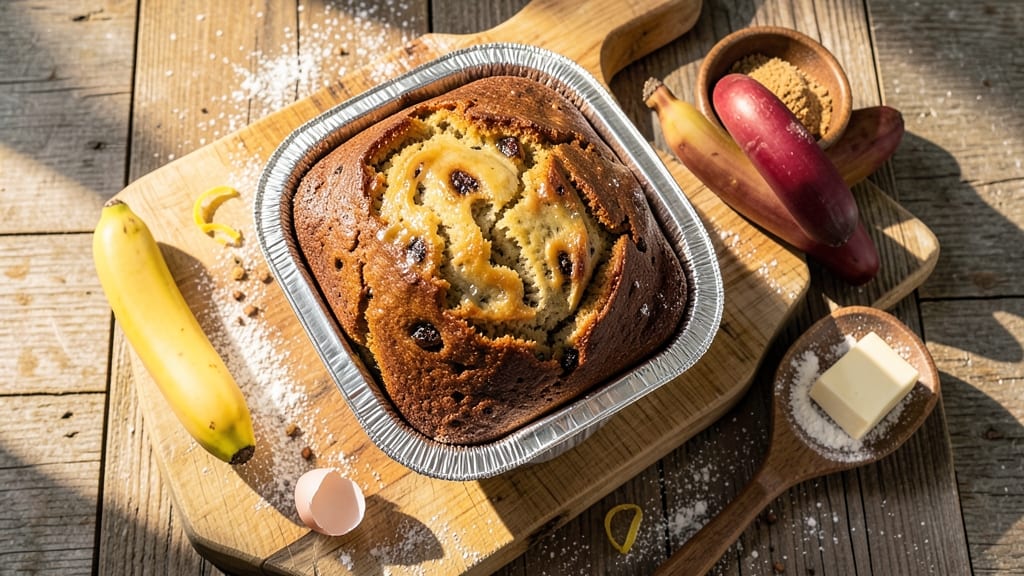
Aunty Sandy's banana bread recipe from Maui delivers the kind of moist, spiced loaf that stays fresh for days—no dry crumbs in sight. The secret lies in wrapping the bread in foil during baking, locking in that signature tropical moisture while developing a caramelized crust.
I first tasted this version at a local bakery on Maui, where the warm cinnamon and subtle coconut notes hinted at island flavors beyond the classic recipe.
What makes this recipe special is the balance of traditional banana bread elements with Maui-inspired twists—think toasted coconut flakes and a touch of pineapple puree in the batter.
The foil wrapping isn't just a trick; it creates steam that keeps the bread tender while allowing the edges to develop that perfect golden-brown crust. This method ensures every slice stays moist for days, making it ideal for gift-giving or meal prep.
The result is a loaf with a delicate crumb that's lightly spiced with cinnamon and nutmeg, punctuated by bursts of coconut and pineapple sweetness. The aroma alone—warm, spiced, and just slightly tropical—will have your kitchen smelling like a Maui morning.
Perfect for breakfast, dessert, or a thoughtful homemade gift, this banana bread lives up to its reputation as a crowd-pleaser.
Whether you're baking for a family gathering or treating yourself to a taste of Maui, this recipe delivers restaurant-quality results with minimal effort. The foil-wrapped technique ensures foolproof moisture, while the island-inspired flavors add a unique twist. Let's get started on making this beloved Maui classic in your own kitchen.
Ingredients for aunty sandy's banana bread maui
Tropical flavors and the secret foil trick make this banana bread legendary.
| Ingredient | Amount | Notes |
|---|---|---|
| Ripe Bananas 🍌 | 3 medium | Slightly overripe for sweetness |
| All-Purpose Flour 🌾 | 2 ½ cups | Sifted for light texture |
| Granulated Sugar 🍚 | 1 cup | White or light brown |
| Packed Brown Sugar 🍚 | ½ cup | Dark brown preferred |
| Unsalted Butter 🧈 | 1 cup | Softened to room temperature |
| Large Eggs 🥚 | 2 whole | Room temperature for blending |
| Pure Vanilla Extract 🌸 | 1 tbsp | High-quality for flavor |
| Ground Cinnamon 🌿 | 2 tsp | Freshly ground preferred |
| Ground Nutmeg 🌿 | ½ tsp | Freshly grated for warmth |
| Toasted Unsweetened Coconut Flakes 🥥 | ½ cup | Lightly toasted in dry pan |
| Pineapple Puree 🍍 | ¼ cup | Fresh or canned, unsweetened |
| Baking Soda 🧂 | 1 tsp | Pure baking soda |
| Salt 🧂 | ½ tsp | Fine sea salt preferred |
| Aluminum Foil 📄 | 1 sheet | Heavy-duty for wrapping |
The bananas are the heart of this recipe—ripe with brown spots ensures maximum sweetness and moisture. Grab 3 medium bananas from the produce section, preferably the ones that are slightly soft. For coconut flakes, Trader Joe's or Costco often carry the best toasted varieties—look for unsweetened to avoid extra sugar. The pineapple puree adds that island touch; Dole brand is reliable, but fresh is even better if you've got it. The foil wrapping is non-negotiable—heavy-duty aluminum foil prevents tearing during baking, which is key for that signature moisture lock.
No ripe bananas? Use 1 cup mashed frozen bananas (thawed) as a substitute—they're sweeter and work perfectly. Running low on coconut flakes? Shredded coconut toasted in a dry pan for 3-4 minutes gives the same flavor profile. The vanilla extract matters—Nielsen-Massey or McCormick are solid choices, but avoid imitation vanilla. For the sugars, light brown sugar adds subtle molasses notes that complement the tropical flavors, while white sugar keeps the texture tender. The baking soda and salt are standard, but Diamond Crystal kosher salt dissolves better than table salt.
Once baked, this loaf stays moist for 5-7 days when wrapped tightly in foil or stored in an airtight container. For longer storage, slice and freeze individual portions—3 months in a sealed bag. The foil-wrapped technique isn't just for baking; it's also how you should store leftovers to maintain that restaurant-quality texture. I always double the recipe—one loaf for the family, one for gifting. The aroma alone makes it worth the effort.
Why You'll Love This Recipe
- You’re using what you’ve got: flour, sugar, butter, and overripe bananas that’d otherwise go bad. A single batch costs me less than $3 and lasts a week—plus, the leftovers? Even better the next day when the flavors meld.
- No Mixer Needed: I swear by this recipe when my hands are sticky or I’m in a rush—just mash those bananas with a fork, stir in the sugars and butter, then fold in the flour. The dough’s thick but forgiving, and it bakes up perfectly without a single extra bowl.
- Maui Magic Moisture: That combo of brown sugar and ripe bananas? It’s like a tropical hug in every bite. The crust stays soft (no dry crumbs here), and the butter keeps it rich without tasting heavy—like Aunt Sandy’s secret was trusting the bananas to do the work.
- Breakfast or Snack: Honestly, this bread disappears fast. Toast it for breakfast with peanut butter, or pack slices for school lunches—it’s sturdy enough to handle travel but always feels special. (My kids fight over the last piece.)
Step-by-step instructions for Aunty Sandy's banana bread
Here's the method that delivers that signature Maui-style moisture and spice balance.
Prep Ingredients and Mix Wet Components
Preheat your oven to 350°F and line a 9x5-inch loaf pan with the sheet of aluminum foil, letting it extend over the sides. This foil wrapping is what creates the signature moisture lock. In a large mixing bowl, mash the 3 medium ripe bananas until completely smooth—no lumps should remain. The riper the bananas, the sweeter and more flavorful your bread will be.
Add the 1 cup unsalted butter, 1 cup granulated sugar, and ½ cup packed brown sugar to the mashed bananas. Mix until fully combined, then stir in the 2 whole large eggs, 1 tablespoon pure vanilla extract, and ¼ cup pineapple puree. This wet mixture should be thick but pourable—if it's too thick, add 1 tablespoon milk to help with blending.
Combine Dry Ingredients and Fold Together
In a separate bowl, whisk together the 2½ cups all-purpose flour, 2 teaspoons ground cinnamon, ½ teaspoon ground nutmeg, 1 teaspoon baking soda, and ½ teaspoon salt. Sift the flour mixture directly over the wet ingredients to avoid clumping. Using a spatula, gently fold just until combined—overmixing develops gluten and makes the bread dense. Stop mixing as soon as the dry ingredients disappear into the wet mixture.
Fold in the ½ cup toasted unsweetened coconut flakes by hand, reserving a small handful for topping. The coconut adds that tropical Maui touch while keeping the texture moist. Transfer the batter to your prepared loaf pan and sprinkle the reserved coconut flakes evenly over the top. Tap the pan gently on the counter to release any air bubbles and ensure even distribution.
Wrap and Bake for Maximum Moisture
Here's the key to Aunty Sandy's method: tightly wrap the loaf pan with the aluminum foil, sealing all edges completely. This creates a moisture chamber that keeps the bread incredibly tender. Place the wrapped pan in the center rack of your preheated oven and bake for 50-55 minutes, or until a toothpick inserted into the center comes out clean with just a few moist crumbs clinging to it.
Don't be tempted to peek or unwrap early—the steam is what creates that signature moisture. The bread is done when the top springs back slightly when pressed and the edges pull away from the pan. If the top browns too quickly, tent with an additional piece of foil during the last 10 minutes of baking.
Rest and Serve for Perfect Texture
Remove the bread from the oven and let it cool in the pan for 10 minutes before unwrapping. This resting period allows the moisture to redistribute throughout the loaf. Transfer to a wire rack and let it cool completely before slicing—this prevents crumbling. The bread should be tender with a slightly domed top and those beautiful coconut flecks throughout.
Slice into 8 equal servings and serve warm for the most moist texture. Each bite should deliver that perfect balance of banana sweetness, warm spices, and tropical coconut flavor. Store any leftovers wrapped in plastic at room temperature for up to 3 days, or freeze for up to 3 months for future enjoyment.
Pro Tips For Making Aunty Sandy'S Banana Bread Maui
- MEASURE BUTTER COLD: I learned this the hard way—soft butter makes the batter too runny, and your bread will sink like a rock in the middle. Scoop the butter straight from the fridge, cut it into chunks, and let it sit out for exactly 10 minutes before creaming. That’s all it takes to get the right texture without melting it into a greasy mess.
- MASH BANANAS WELL: No one likes those little banana chunks lurking in their bread. Use a fork to smash the bananas thoroughly—press the back of the fork against the bowl and really work it. If you’re feeling fancy, a potato masher does the job faster, but don’t skip this step. Those tiny specks of banana are a texture crime.
- DON’T OVERMIX THE BATTER: I used to beat this batter until it looked like pancake batter, and the result? A dense, tough loaf. Mix just until the flour is barely incorporated—lumps and all. Overmixing develops the gluten, and that’s the last thing you want in banana bread. Stop when the dry bits disappear, and call it a day.
- TEST DONENESS EARLY: This recipe’s trick is the toothpick check, but don’t wait until the end. Start testing at 45 minutes—if it’s still wet, tent with foil and let it bake another 10. Maui-style banana bread needs that moist center, but it’s easy to overbake when the top looks golden. Pull it out when the toothpick comes out with just a few crumbs, not a river of batter.
Troubleshooting your aunty sandy's banana bread maui
Dense Batter Troubles
If your batter feels too thick after mixing, don’t panic—this happens when bananas aren’t ripe enough. Mash them until completely smooth, then add 1 tablespoon milk at a time until the mixture reaches a thick but pourable consistency.
I’ve found that 3 tablespoons max keeps the texture balanced without making the bread gummy. Overmixing can also thicken the batter, so fold dry ingredients just until combined. 🥄
Uneven Baking
Dark edges but a raw center? Your oven’s heat might be uneven. Rotate the pan halfway through baking for even cooking. If your oven runs hot, tent the wrapped loaf with an extra foil sheet for the last 10 minutes to prevent over-browning.
I use an oven thermometer to confirm 350°F—some ovens can be off by 25°F or more! 🌡️
Dry or Crumbly Texture
This usually means the foil wasn’t sealed tightly enough during baking. Crimp the edges of the aluminum foil extra well to create a proper moisture chamber. For extra insurance, place a small bowl of water on the oven rack below the pan—this adds humidity.
If your bread still turns out dry, try replacing ¼ cup of the flour with all-purpose flour + 2 tbsp cornstarch for a lighter crumb. 💧
Coconut Sinking
Toast your coconut flakes in a dry pan over medium heat for 3-4 minutes until golden—this prevents them from absorbing too much moisture and sinking. Fold them in gently at the end, and sprinkle the reserved flakes on top after the batter is in the pan.
For extra flair, press a few flakes into the top before baking so they stay visible. 🥥
Sticky or Gummy Crumb
This often happens when too much liquid is added or the baking soda is old. Use fresh baking soda (test by dropping a pinch in water—it should fizz immediately). If your batter still feels too wet, reduce the pineapple puree to 2 tbsp instead of ¼ cup.
Bake the wrapped loaf for 5 minutes longer if needed to evaporate excess moisture. 🍯
Soggy Bottom
The foil wrapping should prevent this, but if your bread has a wet bottom, your pan might not be properly lined. Use a 9x5-inch loaf pan and ensure the foil extends 1 inch up the sides.
For extra protection, place a sheet of parchment paper between the foil and the pan. If this happens, the next time, try baking the wrapped loaf on the middle rack instead of the bottom. 🍞
Nutrition facts
Frequently asked questions
Why does this banana bread use foil wrapping?
The foil creates a moisture chamber that locks in steam during baking, preventing dryness. This Maui-style technique ensures every slice stays tender for 5-7 days when stored properly. Without it, even ripe bananas can result in a crumbly texture.
Can I substitute frozen bananas?
Yes! Use 1 cup thawed frozen bananas instead of fresh—they're sweeter and work perfectly. Just make sure they're completely defrosted first to avoid adding extra liquid to the batter. For best results, mash them until completely smooth.
What makes this Maui-style different?
The tropical twist comes from the toasted coconut flakes and pineapple puree, plus the foil-wrapped baking method. These elements create that signature island flavor while keeping the texture uniquely moist. Traditional recipes often skip these island-inspired additions.
How do I know when it's fully baked?
Insert a toothpick into the center—it should come out with just a few moist crumbs (not wet batter). The edges should pull away from the pan slightly, and the top should spring back when pressed gently. Baking time varies by oven, so check at 50 minutes.
Can I make this gluten-free?
Yes, but with adjustments. Replace the 2½ cups all-purpose flour with a 1:1 gluten-free baking flour blend (like Bob's Red Mill) plus ½ tsp xanthan gum. Add 1 extra tablespoon liquid (milk or pineapple puree) to compensate for reduced gluten structure. The texture will be slightly denser.