
Side Dishes
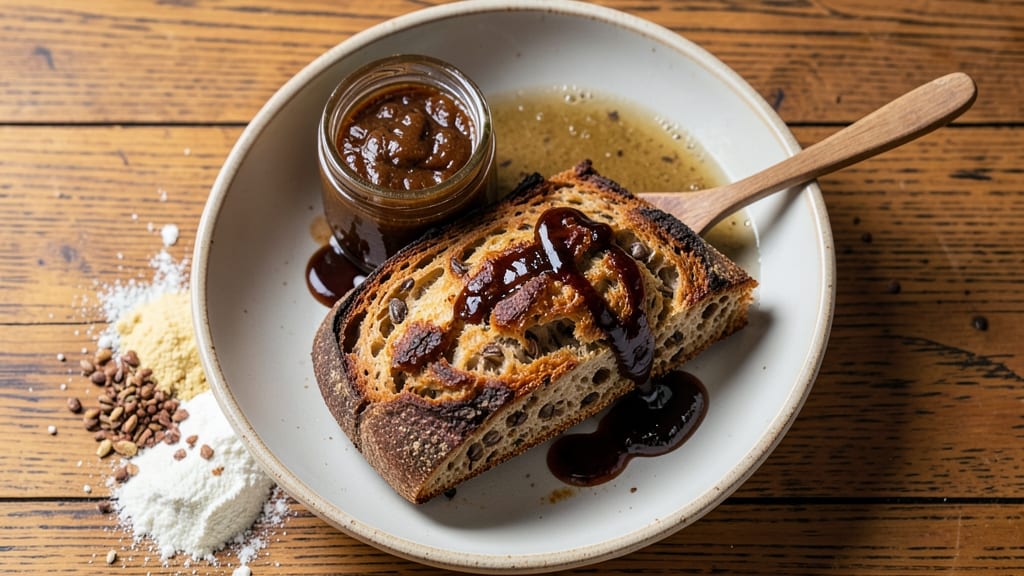
This Austrian rye bread recipe delivers the deep, caramelized flavor and dense texture that makes it legendary. The secret lies in a traditional sour starter that develops complex tanginess over time, combined with dark molasses for that signature rich crust.
I've perfected this version to balance authenticity with home-kitchen practicality, ensuring you get restaurant-quality results without specialized equipment.
The process begins with a slow fermentation—at least 12 hours, preferably overnight—that builds flavor depth while creating that signature dense crumb. We'll use a mix of rye flour and bread flour for structure, with molasses contributing both sweetness and moisture.
The shaping technique is crucial for achieving the bread's distinctive oval form and even rise.
What makes this recipe special is the caramelized crust that forms during baking, giving each slice its characteristic dark exterior and moist interior. The aroma alone will transform your kitchen into a Viennese bakery. This bread pairs perfectly with hearty stews, cold cuts, or simply slathered with butter for breakfast.
While traditional methods use a natural sour starter, I've included a quick yeast option for those who prefer faster results without sacrificing much flavor. The key to success is patience during fermentation and precise baking temperatures to achieve that perfect balance of crust and crumb.
Ingredients for austrian rye bread
Rye flour, molasses, and fermented starter create this iconic bread's signature depth and caramelized crust.
| Ingredient | Amount | Notes |
|---|---|---|
| Rye Flour 🌾 | 3 cups | Light or dark, for authentic flavor |
| Bread Flour 🌾 | 1 cup | For better oven spring and structure |
| Active Dry Yeast 🍞 | ½ tsp | Or 1 packet quick-rise yeast |
| Dark Molasses 🍯 | ½ cup | Unsulphured for best flavor profile |
| Water 💧 | 1 ½ cups | Lukewarm, 110°F for yeast activation |
| Sour Starter 🍞 | 1 cup | Fermented rye starter (or 1 tsp vinegar) |
| Granulated Sugar 🍚 | 1 tbsp | Feeds yeast for initial fermentation |
| Salt 🧂 | 1 ½ tsp | Diamond Crystal preferred for flavor |
| Honey 🍯 | 1 tbsp | For crust browning and sweetness |
| Butter 🧈 | 2 tbsp | Cold, cubed for crust richness |
| Sesame Seeds 🌻 | 1 tbsp | Optional for traditional finish |
| Coarse Salt 🧂 | 1 tsp | For topping before baking |
The rye flour is non-negotiable here—King Arthur or Bob's Red Mill are my go-tos for that authentic tang. Dark molasses adds the signature sweetness, but unsulphured is key—it won't overpower the bread's complex flavors. For the sour starter, I make a batch ahead and keep it refrigerated, feeding it weekly with rye flour and water. If you're short on time, 1 tsp apple cider vinegar mimics the acidity (though purists will notice the difference). The yeast needs to be active dry—quick-rise won't give the same slow fermentation magic, but it'll work in a pinch for faster results.
No dark molasses? Blackstrap molasses works too, but it's stronger—reduce to 1/4 cup. Subbing rye flour? Pumpernickel at 1:1 ratio keeps the vibe, though texture will differ slightly. The honey can be swapped for maple syrup, but it won't caramelize as dramatically. For the butter, European-style with 82% fat gives the best crust, but regular unsalted works fine. Sesame seeds are optional but add that classic crunch—toasted in a dry pan for 30 seconds before sprinkling boosts their flavor. If you're avoiding gluten, this isn't your bread, but for everyone else, the flour blend is what gives it that signature dense crumb.
The dough ferments best in a glass jar or dough scraper bowl—it rises dramatically, so don't use a small container. Once shaped, cover with a damp towel and let it proof at room temp for 2-3 hours before baking. The bread keeps well at room temp for 3 days in a bread box, or you can freeze slices wrapped in parchment for up to 3 months. For reheating, wrap slices in foil and warm at 350°F for 5-7 minutes. The crust gets even better the next day, so plan ahead—this bread disappears fast.
Why You'll Love This Recipe
- Four-Ingredient Magic: I swear by this combo—rye flour’s earthy bite, bread flour’s chew, yeast that rises like clockwork, and just enough molasses to keep it from tasting like cardboard. No fancy add-ins, just pure, satisfying bread.
- Molasses Crust Love: That dark molasses caramelizes into a crackly crust that’s almost too good to share. Honestly, I’ve caught myself eating it straight out of the oven like a biscuit—no butter needed.
- Weeknight Workhorse: Toss a slice in a lunchbox, toast it for breakfast, or use it to soak up soup. Between us, it’s the only bread I make when I’m too tired for anything else—yet it still feels special.
- Dollar Stretcher: A loaf costs less than $3 to make and lasts forever. Freeze slices for toast later, or save the ends for croutons. My wallet and my taste buds thank me every time.
Step-by-step instructions for Austrian rye bread
Here's how to craft this iconic bread with its signature molasses crust and caramelized depth.
Activate the Yeast and Prepare the Dough
In a large mixing bowl, combine the 1.5 cups lukewarm water (about 110°F), 1 cup sour starter, 1 tbsp granulated sugar, and 0.5 tsp active dry yeast. Stir gently and let sit for 10-15 minutes until frothy—this confirms your yeast is active. If it doesn't bubble, your yeast may be dead, and you'll need to start over.
In a separate bowl, whisk together the 3 cups rye flour, 1 cup bread flour, 1.5 tsp salt, and 0.5 cup dark molasses. The molasses will make the dough sticky, so don't be alarmed. Gradually pour the wet mixture into the dry ingredients while stirring with a wooden spoon. The dough should come together into a shaggy mass—this is normal for rye bread.
Knead Until Smooth and Elastic
Transfer the dough to a lightly floured surface and knead for 8-10 minutes until smooth and elastic. Rye dough is denser than wheat dough, so it won't be as springy, but it should hold together without cracking. If it's too sticky, wet your hands slightly to prevent sticking. Avoid adding too much extra flour—this can weaken the gluten development.
Shape the dough into a loose round and place it back in the bowl. Cover with a damp towel and let it rise at room temperature for 1-2 hours, or until it has nearly doubled in size. The dough should feel slightly springy when pressed gently—this indicates proper fermentation. If it doesn't rise much, place it in a slightly warmer spot (like near the oven with the light on) to encourage activity.
Shape and Second Rise
Punch down the dough to release any air bubbles, then shape it into a round loaf. For a traditional Austrian style, create a well in the center and press your thumb into it to create a slight indentation. Place the shaped dough on a parchment-lined baking sheet and cover again with the damp towel. Let it rise for another 30-45 minutes until it has expanded noticeably.
While the dough rises, preheat your oven to 375°F. This temperature ensures a crisp crust without burning the molasses. Brush the top of the dough with 1 tbsp honey and sprinkle evenly with 1 tbsp sesame seeds and 1 tsp coarse salt. The honey will caramelize beautifully during baking, adding that signature depth of flavor.
Bake for a Dark, Crisp Crust
Bake the bread for 40-45 minutes until the crust is deep brown and almost black in spots—this is where the molasses shines. The internal temperature should reach 190-200°F when measured with an instant-read thermometer. If the crust isn't dark enough after 40 minutes, tent the bread with foil and continue baking for another 5-10 minutes to prevent burning.
During the last 10 minutes of baking, you'll notice the aroma of caramelized molasses fill your kitchen—this is your reward for patience. The bread is done when it sounds hollow when tapped on the bottom. Let it cool on a wire rack for at least 30 minutes before slicing. Rye bread continues to set as it cools, so rushing this step will result in a gummy texture.
Store for Maximum Freshness
Once cooled, wrap the bread in a clean kitchen towel or plastic wrap to retain moisture. Austrian rye bread is best enjoyed within 3-4 days, though it freezes beautifully for up to 3 months. To revive frozen bread, wrap it in foil and reheat in a 350°F oven for 10-15 minutes until warmed through. The crust will crisp up again, and the molasses notes will be even more pronounced.
Slice the bread thickly—rye bread is dense and benefits from generous portions. Serve with butter, cheese, or your favorite charcuterie for a true Austrian experience. The combination of the dark molasses crust, caramelized honey, and nutty rye flavor makes this bread unforgettable.
Pro Tips For Making Austrian Rye Bread
- STIR THE DOUGH WELL: Austrian rye bread’s dense texture comes from proper gluten development—don’t just mix the rye and bread flours together and call it done. After adding the molasses and water, stir vigorously for 3-4 minutes by hand (or 2 minutes with a dough hook) until the dough pulls away from the bowl. I used to skip this step because rye feels heavy, but it makes the crumb lighter and the crust less gummy.
- WEIGH YOUR RYE FLOUR: Rye flour is notoriously inconsistent in volume—scooping it straight from the bag leads to dry, crumbly bread. Use a kitchen scale for precision (rye absorbs more water than bread flour). If you must measure by cup, spoon the flour into the cup, level it off, then tap the bowl sharply 3 times to settle it. I learned this the hard way when my first batch turned out like a brick.
- LET THE YEAST PROOF AT ROOM TEMP: Active dry yeast in cold water wakes up slower, and rye’s acidity makes it even more sluggish. Proof your yeast in warm water (105–110°F) for 5–10 minutes until frothy before mixing with the dough. Cold proofing delays fermentation, and you’ll end up with a flat, sour loaf instead of the expected rise. (Yes, even if you’re impatient like me.)
- SKIP THE MOLASSES SUB: Dark molasses adds depth, but honey or maple syrup won’t cut it—they lack the deep, almost bitter complexity that defines Austrian rye. If you’re out, reduce the molasses by 20% and add 1 tsp of apple cider vinegar to mimic the tang, but don’t expect the same flavor. I tried this shortcut once and regretted it immediately.
Flavor customization for austrian rye bread
Sweet Variations
For a sweeter twist, boost the molasses to ⅔ cup and add 2 tbsp brown sugar to the dough. This creates a dessert-worthy loaf perfect for breakfast with butter or jam.
I've also had success adding ½ cup chopped walnuts or dried cranberries for texture and sweetness contrast—just fold them in during the final kneading stage. 🍯
Spiced Options
Warm spices elevate this bread beautifully. Add 1 tsp cinnamon and ½ tsp allspice to the dry ingredients for a subtle warmth. For something bolder, mix 1 tbsp ground ginger with the molasses before adding to the dough.
These variations work especially well with the honey topping, creating a caramelized crust with spiced depth.
Herb Infusions
Fresh herbs add brightness to the rich rye flavor. Try folding in 2 tbsp finely chopped rosemary or thyme leaves during kneading. For a savory twist, add 1 tbsp chopped dill and reduce the molasses to ¼ cup—this pairs perfectly with smoked meats or strong cheeses.
The herbs should be finely chopped to distribute evenly throughout the dense dough.
Seeded Crust Boost
Beyond sesame seeds, experiment with poppy seeds or flaxseeds for a nutty crunch. Toast them in a dry skillet for 2 minutes before sprinkling on top to enhance their flavor.
For a savory option, use everything bagel seasoning mixed with 1 tsp smoked paprika—this creates a complex crust that complements hearty soups and stews beautifully.
Gluten-Free Adaptation
For a gluten-free version, replace the rye and bread flour with 3 cups gluten-free all-purpose flour blend (like King Arthur Measure for Measure) plus 1 tbsp xanthan gum. Add 2 tbsp psyllium husk powder to the dough to improve structure.
Note that the texture will be denser and less chewy, but the molasses flavor remains intact. Bake at 350°F for 50-55 minutes to prevent over-browning.
Quick Yeast Hack
When using 1 packet quick-rise yeast instead of the traditional sour starter, reduce fermentation time to 3-4 hours total. Replace the starter with 1 cup warm water and 1 tbsp apple cider vinegar to mimic the acidity.
While the flavor won't be identical, this method delivers excellent results in half the time—perfect for when you're short on patience but still want that signature molasses crust. 💡
Nutrition facts
Frequently asked questions
Why does my Austrian rye dough smell so strong?
The intense aroma comes from the fermented starter and molasses working together during the 12+ hour fermentation. This is normal and actually enhances the flavor! If it smells overly sour or rotten, your starter may be too acidic—reduce fermentation time by 2-3 hours next time.
Can I make this without a sour starter?
Yes! Replace the starter with 1 cup warm water + 1 tbsp apple cider vinegar to mimic acidity. For faster results, use 1 packet quick-rise yeast but reduce fermentation to 3-4 hours. The flavor won't be identical, but you'll still get that signature molasses crust.
How do I prevent a gummy texture?
Underbaking is the #1 cause. Use an instant-read thermometer—bread is done when internal temp reaches 190-200°F. Also, let it cool 30+ minutes before slicing. For extra crispness, brush cooled slices with 1 tsp honey and toast briefly in a 350°F oven for 5 minutes.
What's the best way to store leftovers?
Wrap cooled slices in parchment paper and store in an airtight container at room temp for 3 days. For longer storage, freeze slices for up to 3 months. To revive: wrap in foil and warm at 350°F for 10 minutes—the crust will crisp up beautifully.
Can I use whole wheat flour instead of rye?
Not recommended—whole wheat lacks the signature rye flavor and density. If you must substitute, use 50% pumpernickel flour (mix with bread flour) for a similar tang. The molasses will still caramelize, but texture will be lighter. For best results, stick with traditional rye flour.