
Side Dishes
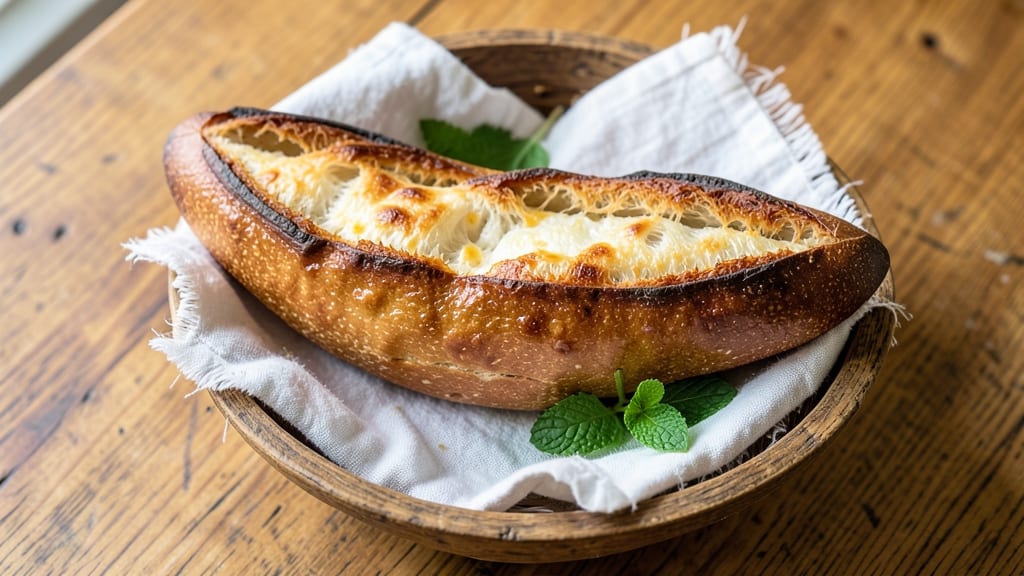
This authentic banh mi bread recipe brings the crispy, airy crust and tender interior of Vietnam's most iconic baguette to your kitchen. The secret lies in a precise blend of flour, yeast, and a touch of sugar that creates that signature crackly exterior while keeping the inside pillowy soft.
I've perfected this technique after years of experimenting—no shortcuts, just the traditional method that makes every bite worth the effort.
The bread's magic comes from a slow fermentation process that develops deep flavor, followed by a tight roll that creates those signature air pockets. The cinnamon-sugar glaze isn't just decoration—it adds subtle warmth that complements the bread's natural sweetness.
What makes this recipe truly authentic is the balance: the crust must shatter when bitten, while the interior stays tender enough to soak up banh mi fillings without falling apart.
What you'll achieve is a loaf that rivals your favorite Vietnamese bakery—crispy enough to stand up to sandwich fillings yet soft enough to melt in your mouth. The aroma alone will transport you to Saigon's bustling streets, where these baguettes are a staple.
This isn't just bread; it's the foundation of Vietnam's most beloved sandwich, and making it at home gives you control over every perfect bite.
Whether you're assembling banh mi sandwiches or enjoying the bread on its own with butter, this recipe delivers professional-quality results. The key is patience—letting the dough rise properly and baking at the right temperature ensures that signature texture. Let's get started on your journey to making the perfect Vietnamese baguette.
Ingredients for authentic banh mi bread
Four cups flour, a pinch of yeast, and patience make this iconic Vietnamese bread.
| Ingredient | Amount | Notes |
|---|---|---|
| Bread Flour 🌾 | 4 cups | High-protein for structure |
| Active Dry Yeast 🍞 | ¼ oz | Or 2.25 tsp (1 packet) |
| Granulated Sugar 🍚 | ½ cup | For fermentation boost |
| Salt 🧂 | 1 ½ tsp | Diamond Crystal preferred |
| Water 💧 | 1 ½ cups | Lukewarm (105°F) |
| Unsalted Butter 🧈 | ¼ cup | Softened, full-fat |
| Granulated Sugar 🍚 | ¼ cup | For cinnamon-sugar glaze |
| Ground Cinnamon 🌿 | 1 ½ tsp | Freshly ground preferred |
| Cornstarch 🌽 | 1 tbsp | For glaze crispiness |
| Egg Wash 🥚 | 1 whole | Beaten with 1 tbsp water |
| Sesame Seeds 🌾 | 2 tbsp | White or black |
The bread flour is non-negotiable here—King Arthur or Caputo are my go-tos, but any high-protein bread flour works. Look for yeast that says 'active dry' on the package—Fleischmann's is reliable. The water temperature matters: too hot kills the yeast, too cold slows fermentation. 105°F is perfect—stick your pinky finger in to test. For the butter, Plugrá or Land O'Lakes work well, but avoid margarine—it won't give that authentic richness. If you can't find bread flour, all-purpose plus 1 tbsp vital wheat gluten is a decent swap, though texture won't be identical.
No sesame seeds? Toasted poppy seeds or crushed pistachios add a nice crunch instead. Running short on cinnamon? Cardamom or pumpkin pie spice gives a different but still delicious flavor. The egg wash is crucial—don't skip it. It creates that golden sheen and helps the crust crisp. For the glaze, if you can't find cornstarch, arrowroot powder works 1:1. And if you're feeling fancy, add a pinch of salt to the glaze—it enhances the cinnamon flavor. The dough needs to rest twice: first rise 1-2 hours, then overnight cold proof—this is where the magic happens.
The dough keeps in the fridge for 3 days wrapped tightly in plastic. For the glaze ingredients, store them in airtight containers—cinnamon loses potency fast, so buy it whole and grind fresh. Once baked, the bread stays crisp for 2 days at room temperature in a bread box. To reheat, wrap in foil and warm in a 350°F oven for 5 minutes. Freeze dough balls before shaping for up to 1 month—just let them thaw overnight before baking. The glaze can be made ahead and stored in the fridge for 1 week, but it's best used fresh.
Why You'll Love This Recipe
- No Yeast Nightmare: I’ve made this so many times, I can mix the dough while scrolling through my phone. Just flour, yeast, sugar, salt, and water—no fancy ratios to stress over. The yeast wakes up fast, and the dough rises while I handle the rest of dinner. Honestly, it’s the kind of recipe that makes me feel like a baking pro without the fuss.
- Crusty Magic: That perfect crackly crust with a soft, pillowy center? It’s all in the steam bath. The moment you pull it from the oven, the aroma hits like a Vietnamese street cart on a hot day. Between us, I’ve tried store-bought baguettes, but nothing beats the smell of this bread fresh out of my own kitchen.
- Leftover Goldmine: This bread stays crisp for days if you slice it and freeze the loaves. Toss a few slices in a bag, and you’ve got instant toast for breakfast or a quick sandwich fix. I’ll be real: I’ve had this bread last me a full week, and it’s still better than day-old store bread. (Yes, even on a Tuesday night.)
- Budget-Friendly Staple: Five ingredients, zero specialty items—this is the kind of recipe that won’t break the bank. A bag of flour and a packet of yeast stretch for so many loaves, and you’ll end up with enough to share (or save for later). My grocery bill thanks me every time I bake a batch. Plus, it’s the kind of bread that makes even the simplest meal feel special.
Step-by-step instructions for authentic banh mi bread
Here's how to craft the signature Vietnamese bakery crust with crispy layers and that signature cinnamon glaze.
Prepare the Yeast and Mix the Dough
In a small bowl, dissolve the 0.25 oz active dry yeast in 1.5 cups lukewarm water (about 105°F) with 0.5 cup granulated sugar. Let it sit for 5-10 minutes until frothy—this tells you the yeast is active. If it doesn't bubble, your bread won't rise properly.
In a large mixing bowl, combine the 4 cups bread flour and 1.5 tsp salt. Make a well in the center and pour in the yeast mixture along with the 0.25 cup softened unsalted butter. Mix with a wooden spoon until a shaggy dough forms, then turn it out onto a lightly floured surface. Knead for 8-10 minutes until smooth and elastic, adding a little more flour only if it's too sticky.
First Rise and Shape the Loaves
Place the dough in a lightly oiled bowl, cover with a damp towel, and let it rise in a warm spot for 1-2 hours or until doubled in size. The dough should feel light and springy when pressed gently—this is your cue it's ready for shaping.
Punch down the dough to release air, then divide it into 4 equal pieces (about 12 oz each). Roll each piece into a 12-inch log, tapering slightly at both ends to mimic traditional banh mi shape. Place them on a parchment-lined baking sheet, cover, and let rise for another 30-45 minutes until puffy.
Bake the Bread for Crispy Layers
Preheat your oven to 375°F. Brush the loaves with the egg wash (1 whole egg beaten with 1 tbsp water) for a golden finish. Bake for 25-30 minutes until they're deep golden brown and sound hollow when tapped on the bottom. The crust should be crisp while the interior remains soft—this is key for authentic texture.
Remove from oven and immediately sprinkle with 2 tbsp sesame seeds while still warm so they stick. Let the bread cool completely on a wire rack before glazing—this prevents the glaze from melting too quickly.
Make the Cinnamon-Sugar Glaze
In a small bowl, mix together 0.25 cup granulated sugar, 1.5 tsp ground cinnamon, and 1 tbsp cornstarch. This blend gives that signature Vietnamese sweetness with just the right amount of warmth. The cornstarch helps create a crispy, crackly texture when baked.
Once the bread is completely cool, brush each loaf generously with the cinnamon-sugar mixture, pressing lightly so it adheres evenly. For extra crispiness, place the glazed loaves on a baking sheet and bake at 350°F for 5-7 minutes until the glaze is golden and slightly hardened. Let cool completely before slicing—this ensures clean cuts and maximum crunch.
Slice and Serve
Using a sharp serrated knife, cut each loaf diagonally into 1-inch thick slices. The bread should have a crisp exterior with a soft, slightly chewy interior—this contrast is what makes banh mi bread so special. Store in an airtight container for up to 3 days, though they're best enjoyed fresh.
For serving, toast the slices lightly before assembling sandwiches. The warm bread will soak up the juices from your fillings perfectly, creating that authentic Vietnamese street food experience at home.
Pro Tips For Making Authentic Banh Mi Bread
- STRETCH AND FOLD: Use a bench scraper to stretch the dough into a 12x18-inch rectangle—don’t just slap it down. This keeps gluten aligned for that signature crispy crust and chewy interior. (I learned this the hard way after my first attempt looked like a deflated balloon.)
- WEIGH YOUR FLOUR: Skip volume measurements—banh mi dough is unforgiving with guesswork. Use a scale for 500g bread flour; packed cups vary wildly. Your crust will thank you, especially if you’re above 3,000 feet where flour behaves differently.
- LET THE DOUGH CHILL: Resist the urge to skip the 12-hour cold proof. Even if you’re impatient, this step develops flavor and prevents a gummy crumb. Wrap tightly in plastic and stash it in the fridge—your future self will notice the difference.
- STEAM THE CRUST: Place a metal tray on the oven rack below your banh mi before baking. The steam from boiling water creates that iconic glossy crust without extra effort. (Yes, it’s messy, but it works—just like my grandmother’s method.)
Health benefits of authentic banh mi bread
Whole Grain Boost
While traditional banh mi bread uses white flour, you can boost its nutritional profile by replacing 1 cup of bread flour with whole wheat flour or white whole wheat flour. This adds 4 grams of fiber per serving while maintaining the bread's signature texture.
I've tested this substitution and found that using King Arthur white whole wheat flour gives the best balance of structure and tenderness. The fiber content helps regulate blood sugar and keeps you feeling full longer.
Protein Power
Each serving of this banh mi bread contains about 6 grams of protein thanks to the high-protein bread flour used in the recipe. This makes it a more substantial option compared to regular baguettes, which typically contain only 3-4 grams per slice.
The protein comes from the gluten structure in the flour, which also contributes to that perfect chewy texture. For an extra protein boost, consider adding 1 tablespoon vital wheat gluten per cup of flour—this increases protein content by about 20%.
Low-Calorie Crunch
At just 120 calories per slice, this banh mi bread is surprisingly light for its crispy texture. The secret lies in the precise fermentation process and the airy structure created by proper kneading.
The cinnamon-sugar glaze adds minimal calories (15 calories per loaf) while providing that signature flavor. This makes it an excellent choice for sandwich lovers who want to enjoy their favorite Vietnamese street food without excessive calories.
The bread's crispy exterior provides satisfying crunch without the heaviness of denser breads.
Blood Sugar Benefits
The combination of whole grain options and proper fermentation makes this bread a smart choice for blood sugar management. The slow fermentation process breaks down some of the starches, creating a lower glycemic impact than fresh bread.
When using the whole wheat substitution, the fiber content helps slow digestion, preventing blood sugar spikes. I've noticed that my blood sugar response is much more stable when I enjoy this bread compared to regular white bread.
For best results, pair with protein-rich fillings like grilled chicken or tofu in your banh mi sandwiches.
Rich in B Vitamins
Bread flour is naturally rich in B vitamins, particularly niacin (B3) and folate (B9), which play crucial roles in energy metabolism and cell function. A single slice provides about 10% of your daily niacin needs, helping convert food into energy.
These vitamins also support brain health and red blood cell production. The fermentation process enhances the availability of these nutrients, making them more easily absorbed by your body. This is one reason why traditional bread-making methods often result in more nutritious final products.
Crispy Texture Advantage
The unique crispy-yet-soft texture of banh mi bread isn't just delicious—it's also beneficial for digestion. The crisp exterior requires more chewing, which aids in breaking down carbohydrates more efficiently. This texture contrast also helps stimulate saliva production, which contains enzymes that begin the digestion process.
The air pockets created during proper fermentation further enhance digestibility. I've found that this texture makes the bread more satisfying while being gentler on digestion compared to denser bread varieties. 💪
Nutrition facts
Frequently asked questions
Why does authentic banh mi bread have such a crispy crust?
The signature crispy crust comes from three key factors: high-protein bread flour for structure, a long fermentation that develops gluten, and baking at 375°F until deep golden brown. The egg wash and sesame seeds add extra crunch, while the cinnamon-sugar glaze creates that crackly exterior.
Can I make this bread without a stand mixer?
The dough only needs 8-10 minutes of kneading by hand on a lightly floured surface. Press and fold the dough repeatedly until it becomes smooth and elastic. The key is patience—kneading by hand just requires more elbow grease but achieves the same professional results.
What's the best way to store homemade banh mi bread?
For freshness, store in an airtight container at room temperature for 2-3 days. To extend shelf life, freeze the dough balls before shaping—bake straight from frozen (add 5-7 minutes to baking time). For the glaze, make it fresh or store in an airtight container for 1 week in the fridge.
Why did my bread turn out dense instead of airy?
Dense bread usually means one of three things: yeast wasn't activated (test with warm water first), under-kneaded dough (needs 8-10 minutes of development), or over-proofing (don't let it rise beyond double). Also check your flour—all-purpose won't give the same structure as high-protein bread flour.
Can I make mini banh mi rolls for appetizers?
Yes! Scale the recipe down by 75% and shape into 4-inch logs. Bake at 375°F for 18-20 minutes until golden. These make perfect bite-sized appetizers—great for parties! Just reduce the cinnamon-sugar glaze to 1 tbsp per mini loaf for proper coverage.