
Side Dishes
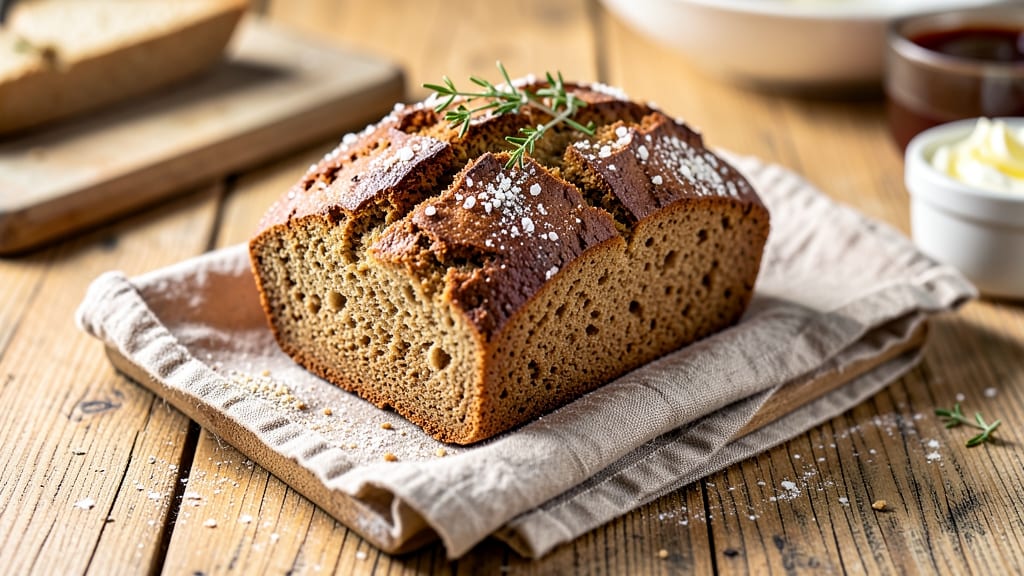
This authentic Irish brown soda bread recipe brings the rustic charm of Irish countryside kitchens to your table with its signature buttermilk tang and crispy golden crust. 💛 The secret lies in its simplicity—no yeast, no kneading, just flour, buttermilk, and baking soda working together to create a loaf with a tender crumb and satisfying crunch.
I've perfected this recipe over years, ensuring every bite delivers that unmistakable Irish flavor.
The beauty of traditional soda bread is its versatility and ease. With just five basic ingredients, you can have a warm, hearty loaf ready in under 30 minutes, perfect for pairing with soups, stews, or simply slathered with butter.
The buttermilk adds that signature tang, while the baking soda creates the airy texture that makes it so satisfying. This recipe stays true to its roots while being foolproof for home bakers.
What makes this bread truly special is its cultural significance—it's a staple in Irish households, often baked fresh daily. The crust develops a beautiful golden-brown hue while the inside remains tender, creating the perfect balance of textures.
Whether you're serving it at a traditional Irish feast or enjoying it as a simple side, this bread brings warmth and comfort to any meal.
For added flavor, consider mixing in seeds or herbs like caraway or raisins, though the classic version remains timeless. The aroma alone will transport you to a cozy Irish cottage, and the taste is pure nostalgia in every bite. Let's get started on making this iconic loaf!
Ingredients for authentic irish brown soda bread
Five simple ingredients plus a few extras for that classic Irish brown bread flavor.
| Ingredient | Amount | Notes |
|---|---|---|
| All-Purpose Flour 🌾 | 4 cups | Plus 2 tbsp for dusting |
| Buttermilk 🥛 | 1 ¼ cups | Room temperature preferred |
| Baking Soda 🧂 | 1 tbsp | Freshly opened |
| Salt 🧂 | ½ tsp | Fine sea salt |
| Whole Wheat Flour 🌾 | 1 cup | For brown color and texture |
| Brown Sugar 🍯 | ¼ cup | Light or dark |
| Unsalted Butter 🧈 | ½ cup | Cold, cubed |
| Milk 🥛 | ¼ cup | For brushing crust |
| Rolled Oats 🌾 | ½ cup | Optional for texture |
| Coarse Salt 🧂 | 1 tbsp | For topping |
| Sesame Seeds 🌱 | 1 tbsp | Optional garnish |
The buttermilk is non-negotiable here—it gives that signature tang. Trader Joe's has the best-priced organic version, but any brand works. For the flour, I prefer a mix of all-purpose and whole wheat—King Arthur is my go-to for both. If you can't find whole wheat, add an extra 1/2 cup all-purpose to keep the texture right. The baking soda should be fresh—if it's been sitting in your pantry for months, toss it. Same goes for the butter—cold cubes keep the dough from getting too soft. Pro tip: Measure your flour by scooping and leveling, not packing it down.
No buttermilk? Mix 1 cup milk with 1 tbsp lemon juice or vinegar, let sit 5 minutes. Running low on whole wheat? Substitute with extra all-purpose, but the bread will be less nutty. Want to skip the brown sugar? White sugar works fine, though it won't give that caramelized crust. For the optional oats, quick oats work too—just pulse them briefly in a food processor for a finer texture. And if you're feeling fancy, swap the sesame seeds for poppy seeds or flaxseeds. The butter and milk are just for brushing the crust—don't skip this step, it makes all the difference.
This dough doesn't need to rest, so you can bake it straight away. For the best flavor, let the loaf cool on a wire rack for at least 15 minutes before slicing. Wrapped in a clean kitchen towel, it keeps at room temperature for 2 days—though it's best fresh. For longer storage, slice and freeze portions for up to 3 months. The crust gets crispier as it sits, so I always save the leftovers for toast. And if you make extra? Toast it and freeze—perfect for quick breakfasts all week.
Why You'll Love This Recipe
- No-Knead, No-Fuss: I swear by this recipe—just mix, shape, and bake. The buttermilk and baking soda do all the work while you sip tea and let the dough rest. Honestly, it’s one of those rare recipes where the instructions feel like a cheat code.
- Tangy, Toasty Magic: That buttermilk tang cuts through the hearty whole wheat, and the baking soda gives it a just-baked lift. The crust stays crisp while the inside stays soft—like a warm hug from Ireland. (Yes, even on a Tuesday night.)
- Breakfast to Brunch: Slice it thick for a hearty breakfast with butter and jam, or toast it for a quick brunch side. I’ve even used it as a base for open-faced sandwiches—because why not? It’s that adaptable.
- Budget-Friendly Staple: Five simple ingredients, no fancy tools, and it keeps for days. Freeze half the batch for lazy mornings, and the whole wheat flour stretches my grocery budget. My wallet and I both approve.
Step-by-step instructions for authentic Irish brown soda bread
Here's the classic method—no yeast, no kneading, just buttermilk tang and crispy crust.
👨🍳 Step 1: Mix the Dry Ingredients
In a large bowl, whisk together the 4 cups all-purpose flour, 1 cup whole wheat flour, 0.25 cup brown sugar, 1 tbsp baking soda, and 0.5 tsp salt. I like to give this a good stir with a wooden spoon—it's important to break up any flour lumps right from the start. This dry mix forms the foundation of the bread's signature texture and flavor.
Next, fold in the 0.5 cup rolled oats and 1 tbsp sesame seeds (if using). These add that rustic texture and nutty depth you'd expect in traditional Irish soda bread. Set this bowl aside—it's ready for the wet ingredients when you are.
🍳 Step 2: Combine Wet Ingredients
In a separate bowl, mix the 1.25 cups buttermilk with the 0.5 cup cold cubed butter and 0.25 cup milk. I use my fingers to work the butter into the buttermilk until it forms soft pea-sized lumps—this creates pockets of butter that will give your bread that tender, slightly crumbly texture. The buttermilk should be at room temperature for best results.
Here's the thing—don't overmix this. Just combine until the butter is incorporated. The buttermilk's acidity will react with the baking soda to create lift, so we want to preserve that chemical reaction for when we combine everything.
🥘 Step 3: Combine Wet and Dry Ingredients
Make a well in the center of your dry ingredients and pour in the buttermilk mixture. Using a wooden spoon or your hands, gently combine everything until just mixed. I know it seems like there's too much flour, but trust me—this is how you get that signature dense yet tender crumb. Once combined, the dough will be sticky but manageable.
Don't worry if it looks shaggy. Traditional soda bread isn't smooth like yeast bread. The texture should be more like a thick, sticky batter. The key is to mix just until combined—overmixing develops gluten and makes the bread tough.
🔥 Step 4: Shape and Bake
Lightly dust a baking sheet with 2 tbsp all-purpose flour (from your ingredients) and turn out the dough onto it. Gently shape into a round loaf about 1.5 inches thick. I like to use wet hands for this—it prevents sticking and makes shaping easier. Place the loaf on the prepared baking sheet.
Preheat your oven to 375°F. Brush the top of the loaf with a little 0.25 cup milk and sprinkle with 1 tbsp coarse salt. This creates that beautiful crust and adds that essential salty contrast. Bake for 35-40 minutes until the bread sounds hollow when tapped on the bottom and the top is a deep golden brown.
⏰ Step 5: Cool and Serve
Remove the bread from the oven and let it cool on a wire rack for at least 15 minutes before slicing. I know it's tempting to dig in right away, but letting it cool prevents a gummy interior. The bread will continue to firm up as it cools, developing that perfect crumb texture.
Slice into thick wedges and serve warm with Irish butter. The outside should be crisp and golden, while the inside remains tender with just a hint of chewiness. This is where the magic happens—the contrast between the crisp crust and soft interior makes every bite worth waiting for.
Pro Tips For Making Authentic Irish Brown Soda Bread
- STIR JUST UNTIL COMBINED: Mixing this dough is more about not overworking it than anything else. The second those flours hit the buttermilk, stop stirring the moment everything comes together—no need for a smooth batter. Overmixing develops gluten, and that’s the fast track to a dense, brick-like loaf. I learned this after kneading mine into a sad, stiff lump once.
- USE COLD BUTTERMILK: Skip the warm buttermilk—cold is your friend here. Pouring chilled buttermilk into the dry ingredients slows the baking soda reaction just enough to give you a few extra minutes to shape the dough without it turning gummy. (Yes, even if you’re impatient like me.) If your kitchen’s warm, let the buttermilk sit in the fridge until you’re ready to mix.
- SLASH THE LOAF DEEP: Don’t half-heartedly cut those X’s—go deep. A shallow slash won’t do the job of letting steam escape and giving you that signature crackly crust. Use a sharp knife or lame and cut all the way to the counter, about ½ inch deep. I was skeptical until I tried it—now my bread browns faster and stays light inside.
- LET IT REST UNDER FOIL: Baking soda bread needs time to puff, not broil. After the first 10 minutes in the oven, tent it with foil and let it rise another 5-10 minutes. This prevents a dark, burnt crust before the center is done. (Your future self will thank you when you’re not fighting a carbonized loaf.) Skip this, and you’ll end up with a sad, uneven bake.
Flavor customization for authentic irish brown soda bread
Classic Seed Mix
For a rustic twist, fold in ¼ cup each of sesame seeds, poppy seeds, and flaxseeds when mixing the dry ingredients. The seeds add crunch and a nutty depth that pairs beautifully with the buttermilk tang.
I like toasting them in a dry pan for 2 minutes before adding to enhance their flavor. 🌱
Herb-Infused Variations
Add 1 tbsp fresh rosemary or thyme (finely chopped) to the dry ingredients for an aromatic boost. These herbs complement the bread's earthy notes perfectly. For a stronger flavor, infuse ¼ cup olive oil with herbs, then replace the butter with this mixture.
The result is a fragrant loaf that tastes like a cozy Irish cottage.
Sweet Raisin or Currant
Fold in ½ cup raisins or currants when combining the wet and dry ingredients. The sweetness balances the bread's tang, creating a delightful contrast. For extra moisture, soak the raisins in warm water for 10 minutes before adding.
This variation is especially popular in County Cork and pairs wonderfully with cheddar cheese.
Spiced Caramelized Onion
Sauté 1 cup thinly sliced onions with 1 tsp brown sugar and ½ tsp cinnamon until caramelized. Fold these into the dough for a sweet, savory depth. The onions add moisture and a complex flavor that makes this bread perfect for serving with hearty stews.
I recommend using yellow onions for the best caramelization. 🍯
Whole Grain Boost
Replace up to ½ cup of the all-purpose flour with coarse cornmeal or rye flour for added texture and a nuttier taste. The cornmeal gives the crust a lovely crunch, while rye adds a subtle tang.
For a more rustic look, sprinkle 2 tbsp cornmeal on the baking sheet before shaping the dough. This variation is a favorite in traditional Irish farmhouse kitchens.
Cheesy Twist
Add ½ cup grated sharp cheddar or Irish cheddar to the dry ingredients for a cheesy, savory loaf. The cheese melts slightly during baking, creating pockets of gooey goodness.
For extra richness, fold in 2 tbsp sour cream with the wet ingredients. This variation is perfect for serving with soups or as a side to roasted meats. 🧀
Nutrition facts
Frequently asked questions
Why does traditional Irish soda bread use baking soda instead of yeast?
Baking soda creates that signature quick rise and tender crumb without needing time to proof. The chemical reaction between baking soda and buttermilk's acidity produces carbon dioxide instantly, giving the bread its signature airy texture in just 35-40 minutes. Yeast would make it too dense and require hours of rising.
Can I make this bread without buttermilk?
Mix 1 cup milk with 1 tbsp lemon juice or vinegar, let sit 5 minutes until thickened. This recreates the acidity that reacts with baking soda for proper rise. For extra tang, add ½ tsp apple cider vinegar to the milk mixture.
What's the best way to store leftover Irish brown soda bread?
Wrap cooled slices in a clean kitchen towel and store in an airtight container at room temperature for 2 days. For longer storage, freeze slices for up to 3 months. The crust stays crispy when reheated in a toaster or warmed in the oven for 5 minutes at 350°F.
Why did my soda bread turn out dense instead of light and airy?
Overmixing develops gluten, making the bread tough. Mix just until combined—stop when flour disappears. Also check: fresh baking soda, room-temperature buttermilk, and proper oven temperature (375°F). If your oven runs hot, reduce to 350°F and bake 5-10 minutes longer.
How can I make this bread more rustic-looking?
Shape the dough into a freeform oval instead of a perfect round. For extra texture, sprinkle coarse salt, cornmeal, or seeds on top before baking. Cut with a serrated knife for jagged edges, or use a rustic bread knife for a traditional look. The uneven surface mimics handmade Irish bread from old recipes.