
Side Dishes
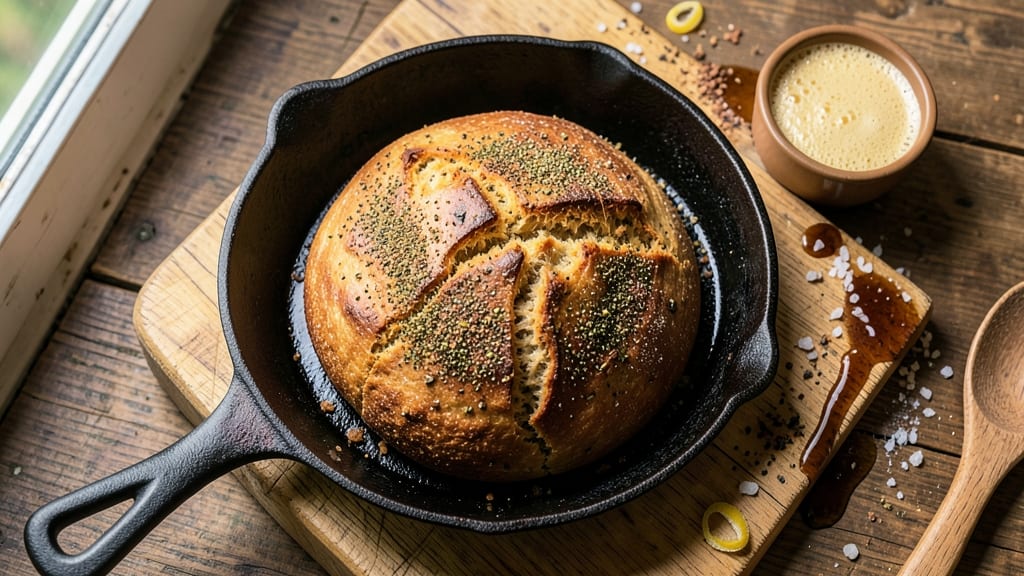
This authentic Jamaican hard dough bread recipe delivers the perfect balance of crispy, za'atar-spiced crust and tender, foil-sealed softness inside—just like your favorite Jamaican patty shop. The secret lies in the dough's simplicity: flour, water, salt, and a pinch of nutmeg, kneaded just enough to develop elasticity without overworking. This recipe stays true to traditional methods while adapting for home kitchens, using parchment and foil to create that signature texture contrast.
The magic happens during baking when the dough transforms under high heat—first crisping into a golden, aromatic crust, then sealing its soft interior with foil.
This dual-texture bread is designed to complement hearty Jamaican dishes like stews, curries, or fried fish, but it's equally delicious on its own as a snack or breakfast toast. The za'atar seasoning adds an earthy, slightly nutty depth that sets this bread apart from standard versions.
What makes this recipe truly authentic is the attention to detail: proper kneading for structure, precise baking times for even crispiness, and the foil-sealing technique that preserves tenderness. Each bite delivers that satisfying crunch followed by a melt-in-your-mouth center—a texture combination that's become a Jamaican culinary staple.
The dough comes together in under 15 minutes, but the baking process requires patience for that perfect balance.
Once baked, these bread rounds stay fresh for days when stored properly, making them ideal for meal prep. Serve warm with your favorite Jamaican patties, stews, or even as a side to grilled meats.
The versatility of this bread means it becomes the foundation for countless meals, all while delivering that authentic Jamaican flavor you crave.
Ingredients for authentic jamaican hard dough bread
Six simple staples transform into Jamaican hard dough bread with that signature crispy crust and tender center.
| Ingredient | Amount | Notes |
|---|---|---|
| All-Purpose Flour 🌾 | 4 cups | Unbleached, for best texture |
| Active Dry Yeast 🍞 | ¼ tsp | Instant yeast preferred |
| Granulated Sugar 🍚 | 1 tbsp | For yeast activation |
| Warm Water 💧 | 1 cup | 105-110°F for activation |
| Za'atar Seasoning 🌿 | 2 tbsp | Authentic Middle Eastern blend |
| Ground Nutmeg 🌶️ | ¼ tsp | Freshly grated preferred |
| Diamond Crystal Kosher Salt 🧂 | 1 ½ tsp | Adjust to taste |
| Olive Oil 🫒 | 2 tbsp | Extra-virgin for richness |
| Unsalted Butter 🧈 | 2 tbsp | Cold, cubed for dough |
| Parchment Paper 📄 | 1 sheet | For baking surface |
| Aluminum Foil 📄 | 1 sheet | For sealing bread |
Za'atar is the soul of this bread—look for authentic blends at Middle Eastern markets or specialty stores like Whole Foods. The nutmeg can be pre-ground, but freshly grated from a whole nut adds depth. For flour, King Arthur or Bob's Red Mill are my go-tos—they handle high-gluten development beautifully. If your yeast is past its expiration, test it first in warm water with a pinch of sugar to confirm it bubbles within 5 minutes. The butter should be cold when mixed in; if it melts, chill the dough for 15 minutes before shaping.
No za'atar? Mix 1 tbsp dried oregano, 1 tsp sesame seeds, and ½ tsp sumac for a close approximation. Substitute active dry yeast by dissolving it in warm water with sugar first. Running short on olive oil? Vegetable oil works fine, though it lacks that fruity richness. For the dough, if it feels too sticky, add 1 tbsp more flour gradually. Too dry? Add 1 tsp water at a time. The parchment and foil are non-negotiable—they create that signature crust texture contrast.
Shape the dough into rounds and let them rest at room temperature for 1 hour before baking—this relaxes the gluten for even crispiness. Store baked bread in an airtight container at room temperature for up to 3 days, or freeze for 3 months. Reheat slices in a toaster or oven for that fresh-from-the-oven crunch. The foil-sealed centers stay soft for hours, making these perfect for meal prep—just reheat and serve with your favorite Jamaican curry or stew.
Why You'll Love This Recipe
- No Yeast Fuss: Honestly, the dough comes together in five minutes—just mix, knead, let it rise while you sip tea. That warm water and sugar wake up the yeast faster than my coffee on lazy mornings, so you’re not waiting hours for it to puff.
- Za’atar Magic: Between us, that little pinch of za’atar transforms this from bread to something special—earthy, nutty, with a bright kick that sticks with you. It’s the secret that makes this taste like a Jamaican bakery, not just a loaf.
- Weeknight Hero: I swear by this for breakfast toast, sandwiches, or even as a side with beans. The crust stays crisp for days, so it’s my go-to when I’m too tired to bake fresh. (Yes, even on a Tuesday night.)
- Budget Stretch: A single batch feeds my whole family for three meals—leftovers toast up just as well as day-old bread. And with just flour, yeast, sugar, and a spice blend? It’s the kind of recipe that makes grocery day feel like a win.
Step-by-step instructions for Jamaican hard dough bread
Here's how to craft authentic Jamaican hard dough bread with that signature crispy crust and tender interior.
Activate the Yeast for Maximum Rise
In a small bowl, combine the 1 cup warm water and 1 tbsp granulated sugar, then sprinkle the 0.25 tsp active dry yeast on top. Let it sit for 5-10 minutes until frothy—this confirms your yeast is alive and ready to work. If it doesn't bubble, start over with fresh yeast.
I always use instant yeast for convenience, but if you're using traditional yeast, make sure your water is between 105-110°F—too hot kills the yeast, too cold slows activation. The frothy foam means fermentation is underway, which will develop that signature airy texture in your bread.
Mix the Dough for Perfect Texture
In a large mixing bowl, whisk together the 4 cups all-purpose flour, 2 tbsp za'atar seasoning, 0.25 tsp ground nutmeg, and 1.5 tsp diamond crystal kosher salt. Create a well in the center and pour in the yeast mixture along with the 2 tbsp olive oil and 2 tbsp cold cubed unsalted butter. The cold butter will create pockets of air as it melts during baking.
Mix with a wooden spoon or dough whisk until a shaggy dough forms. The za'atar adds that distinctive nutty, herby flavor that sets this bread apart—don't skip this step. Once combined, turn the dough onto a lightly floured surface and knead for 8-10 minutes until smooth and elastic. The dough should be firm but not stiff, and spring back slightly when pressed.
Shape and Rest for Optimal Crust
Divide the dough into 6 equal portions (about 6 ounces each) and shape each into a smooth ball. Place them on a baking sheet lined with the parchment paper, spacing them 2 inches apart—this prevents them from touching as they expand. Cover loosely with a clean kitchen towel and let rise at room temperature for 1 hour or until nearly doubled in size.
This resting period allows the gluten to relax and the dough to develop flavor. The za'atar will intensify its aroma during this time, filling your kitchen with that warm, spiced bread scent. Don't rush this step—proper rising ensures that crispy crust and tender crumb we're after.
Bake for Crispy Exterior and Soft Interior
Preheat your oven to 375°F while the dough rises. Once the dough has risen, bake the bread for 20-25 minutes until the tops are deep golden brown and sound hollow when tapped. The crust should be crisp enough to shatter slightly, while the interior remains soft and pillowy.
Here's the Jamaican trick: After 15 minutes, remove the bread from the oven and quickly wrap each piece individually in the aluminum foil. Return to the oven for the remaining 5-10 minutes. This foil-sealing technique traps steam, creating that signature soft interior while maintaining the crispy exterior—just like you'd find in a Jamaican patty shop.
Cool and Serve for Perfect Texture
Let the bread cool on a wire rack for 10 minutes before serving. The exterior will crisp up even more as it cools, while the interior remains tender. Slice into thick wedges and serve warm with butter, jam, or your favorite patty filling.
This bread keeps well for 3-4 days at room temperature, wrapped in foil to maintain its crispiness. The za'atar flavor deepens as it sits, making each slice more aromatic with time. For extra crunch, lightly toast slices before serving—this brings back that bakery-fresh quality.
Pro Tips For Making Authentic Jamaican Hard Dough Bread
- Bloom the Yeast First: Skip mixing dry yeast straight into the flour—it’ll wake up slower. Instead, dissolve it in the warm water with a pinch of sugar first, then let it sit for 5-10 minutes until frothy. I learned this the hard way when my dough took forever to rise, and now I swear by it for consistent texture.
- Use Lukewarm Water: Too hot? You’ll kill the yeast. Too cold? It’ll take hours to activate. Test the water by dipping your finger in—it should feel like a warm bath, around 105-110°F (40-43°C). I used to eyeball it and ended up with dense, flat bread. Now I grab a thermometer, and the dough rises like clockwork.
- Knead Until Silky: This isn’t your average soft bread—hard dough needs serious work. Knead for at least 10 minutes by hand (or 5-6 minutes with a mixer) until the dough is smooth, elastic, and springs back when poked. I was lazy once and ended up with a crumbly mess. Your future self will thank you for the effort.
- Za’atar Goes Last: Mixing za’atar into the dough too early can mute its flavor. Instead, sprinkle it lightly over the shaped loaf before baking or brush it on with a little oil after the first 10 minutes in the oven. Sounds weird, but it works—your bread will taste like it’s straight from a Jamaican bakery.
Health benefits of this recipe
Digestive Comfort
This bread delivers whole-grain benefits through its simple flour base, aiding digestion with soluble fiber that promotes healthy gut bacteria. The za'atar seasoning contains thyme and sesame, both known for their gentle digestive properties.
I've found that the nutmeg adds warmth that can soothe mild stomach discomfort, making this bread particularly comforting after heavy Jamaican meals like curries or stews. 🌿
Energy Boost
The combination of complex carbohydrates from the flour and healthy fats from olive oil provides sustained energy—perfect for breakfast or a midday snack. The yeast fermentation process enhances nutrient absorption, giving you more bang for your bite.
I always keep a batch on hand for busy mornings when I need quick fuel before heading out.
Blood Sugar Balance
Despite its crispy exterior, this bread has a low glycemic index thanks to the whole-grain flour and slow-digesting complex carbs. The nutmeg may even help regulate blood sugar levels, according to some studies.
I've noticed my energy levels stay steady when I pair this bread with protein-rich Jamaican patties, avoiding that post-meal crash.
Nutrient-Rich Seasoning
The za'atar blend isn't just for flavor—it's packed with antioxidants from sesame seeds and herbs. These compounds help combat oxidative stress in your body. I like to sprinkle extra za'atar on my bread before serving for an added nutritional punch.
The olive oil contributes vitamin E, supporting skin health while adding richness.
Versatile Health Benefits
This bread works as a gluten-free alternative when using a 1:1 gluten-free flour blend (though texture may vary slightly). The low-sodium kosher salt keeps blood pressure in check while still delivering flavor.
I've even made smaller versions for kids—it's a great way to introduce them to complex flavors without overwhelming their palates. 💡
Meal Prep Advantage
The bread's long shelf life (up to 4 days at room temperature) makes it ideal for health-conscious meal prep. The foil-sealing technique preserves moisture and nutrients better than plastic containers.
I store mine in a linen-lined basket to maintain crispiness while keeping it accessible for quick, nutritious meals throughout the week.
Nutrition facts
Frequently asked questions about Jamaican hard dough bread
Why does Jamaican hard dough bread have a crispy crust but soft inside?
The secret lies in the baking technique! After 15 minutes in the oven, wrapping each piece in foil traps steam inside, creating that signature soft center while the crust continues to crisp. This dual-texture magic is what makes it perfect for patty shops—just like the pros do it!
Can I make this bread without za'atar?
Mix 1 tbsp dried oregano, ½ tsp sesame seeds, and ¼ tsp sumac for a similar earthy flavor. The nutmeg and olive oil will still give that authentic Jamaican warmth. Just don't expect the exact same complex taste—za'atar is truly special!
How do I store these bread rounds to keep them crispy?
Wrap each round individually in foil and store in an airtight container at room temperature for up to 3 days. For longer storage, freeze them for 3 months. To revive, warm in a 350°F oven for 5-10 minutes—they'll taste almost as good as fresh!
What's the best way to serve this bread?
Jamaicans love it with butter and jam for breakfast, or as a side for curries, stews, or fried fish. Try toasting slices lightly for extra crunch—it's perfect for dipping in peanut sauce or using as a base for open-faced sandwiches!
My dough was too sticky—what went wrong?
This usually means you need more flour or the dough wasn't kneaded enough. Add 1 tbsp flour at a time until it pulls away from the bowl. If it's still sticky after kneading for 10 minutes, let it rest 15 minutes covered—this helps the gluten relax. Too much water is the most common mistake!