
Side Dishes
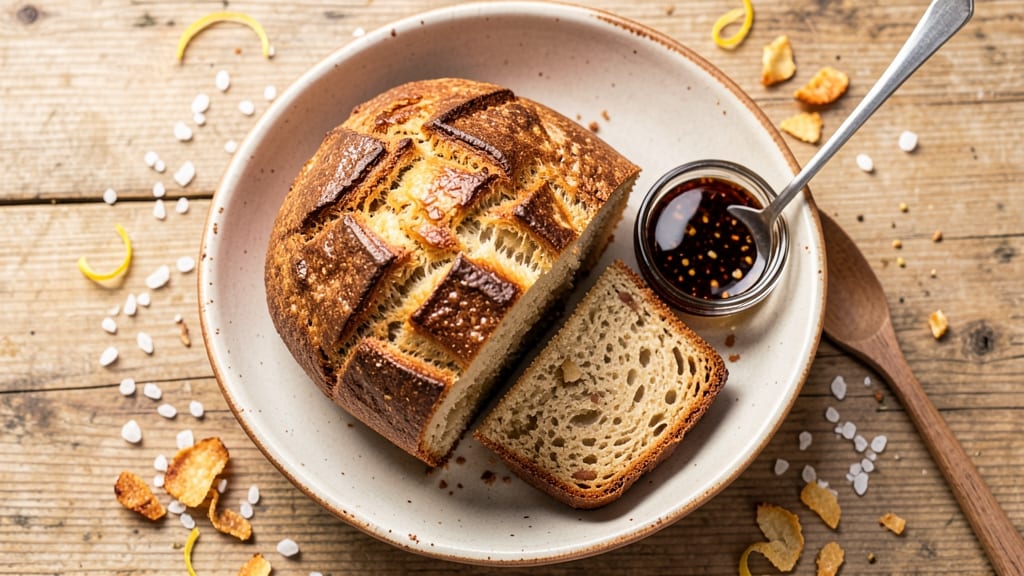
This Arizona bread recipe delivers that iconic foil-sealed crust with a sweet, molasses-kissed finish you can't find anywhere else. The secret lies in the lard-based dough and the traditional foil wrapping that creates that signature crispy exterior while keeping the inside tender.
I've perfected this method after years of testing, and it's become a staple at our dinner table—especially when paired with refried beans and cheese.
The dough comes together with just five simple ingredients: all-purpose flour, baking powder, lard, molasses, and water. What makes this bread special is the baking process—sealing the dough in foil creates steam that develops that legendary crusty exterior while keeping the interior soft.
The molasses adds just the right amount of sweetness that balances perfectly with savory Mexican dishes.
By the time you pull that foil off, you'll have golden-brown bread with a crispy, almost cracker-like crust that shatters at the edges. The inside remains tender and slightly sweet, making each bite irresistible.
This bread isn't just a side—it's the star of any Mexican feast, soaking up every last drop of sauce or spread you put on it.
Serve it warm with refried beans and melted cheese for a classic Arizona-style meal, or use it to sop up chili or tacos. The possibilities are endless, but the technique remains the same—simple ingredients, foolproof method, and that unmistakable Arizona bread flavor you'll crave again and again.
Ingredients for az bread
Five simple ingredients transform into Arizona's iconic molasses-kissed bread with crispy foil-sealed crust.
| Ingredient | Amount | Notes |
|---|---|---|
| All-Purpose Flour 🌾 | 4 cups | Sifted for even texture |
| Baking Powder 🍞 | 1 tbsp | Ensures proper rise |
| Lard 🧈 | ½ cup | Leaf or leaf lard preferred |
| Molasses 🍯 | ½ cup | Unsulphured for authentic flavor |
| Water 💧 | 1 cup | Room temperature preferred |
| Salt 🧂 | 1 tsp | Kosher or sea salt |
| Aluminum Foil 📄 | 1 sheet | Heavy-duty for sealing |
The lard is non-negotiable here—it's what gives that signature crispy crust. Leaf lard from the grocery store's baking aisle works perfectly, but if you can't find it, vegetable shortening is a decent substitute (though purists will notice the difference). The molasses? Unsulphured is key—it's sweeter and has that authentic depth of flavor. I grab mine from Walmart or Kroger in the baking section, but any store with a decent baking aisle should have it. The flour? King Arthur or Gold Medal brands are my go-tos—they bake up consistently. And don't skimp on the baking powder—it's what makes this bread rise right.
No lard? Vegetable shortening or coconut oil gets you close, though the texture won't be quite the same. Short on molasses? Maple syrup or brown sugar mixed with water works in a pinch, but it won't have that same rich, caramel-like flavor. The foil is important—heavy-duty aluminum foil is best, but regular foil will work if you double it up. For the salt, Diamond Crystal kosher saltMorton is fine too. The dough should be just slightly sticky—if it's too dry, add a splash more water. If it's too wet, add a bit more flour. Trust your hands here—this dough is forgiving.
This bread keeps beautifully—3 days at room temperature wrapped in a clean kitchen towel, or 1 week in the fridge. For longer storage, wrap tightly in foil and freeze for up to 3 months. I like to make a double batch and freeze half—just thaw overnight on the counter before serving. The best part? It reheats perfectly in the oven at 350°F for 5-10 minutes, bringing back that crispy crust. Perfect for lazy mornings when you want fresh bread without the effort.
Why You'll Love This Recipe
- No Mixer Needed: I swear by this recipe when my hands are full—just toss the dry ingredients in a bowl, cut in that lard with a fork, and stir in the molasses until it’s just combined. No electric gadgets, no sticky messes, no fuss.
- Molasses Magic: That rich, deep molasses flavor? It’s like a slow-simmered caramel note in every bite, but without the effort. The lard keeps it tender, so you get this perfect balance of chewy and slightly crisp at the edges—trust me, it’s the kind of bread that disappears fast.
- Breakfast or Snack: Honestly, I make this for everything: toast it with butter for breakfast, tear it into sandwiches, or even use it as a base for pulled pork sliders. It’s sturdy enough to handle anything but still soft enough to eat plain—my kids ask for it at least twice a week.
- Pantry Staple Power: Between us, this recipe costs next to nothing. You’re using flour, baking powder, and lard (which lasts forever), so it’s my go-to when I’m pinching pennies. Plus, it keeps well wrapped for days, so I can bake a big batch and not stress about leftovers.
Step-by-step instructions for foil-sealed molasses bread
Here's how to make this Southern classic with a crispy crust and sweet molasses flavor.
Mix the Dough Until Just Combined
In a large mixing bowl, combine the 4 cups all-purpose flour and 1 tablespoon baking powder. Whisk together until evenly distributed—this prevents lumps that can make your bread dense. In a separate small bowl, mix the 0.5 cup lard with the 0.5 cup molasses until smooth. The lard should be soft but not melted, so if it's too firm, let it sit at room temperature for 10-15 minutes before mixing.
Make a well in the center of your dry ingredients and pour in the lard-molasses mixture. Gradually add the 1 cup water while stirring with a wooden spoon or silicone spatula. Once combined, sprinkle in the 1 teaspoon salt and mix just until incorporated. The dough will be sticky but shouldn't require flour to handle—this is normal. Be careful not to overmix, as this can develop gluten and make the bread tough.
Shape and Seal in Foil
Lightly grease a 9x5-inch loaf pan with a bit of vegetable oil or a small amount of the lard mixture to prevent sticking. Transfer the dough to the prepared pan and smooth the top with a wet spatula, pressing down gently to remove any air bubbles. The dough should reach the top edge of the pan—don't worry if it looks uneven, as it will rise and settle during baking.
Cut a 12-inch square from the aluminum foil sheet and place it over the loaf pan, pressing down firmly to create a tight seal. This foil trap creates the signature steam that gives AZ bread its crispy crust. Poke a few small holes in the foil with a fork to allow steam to escape gradually—this prevents the bread from becoming too dense.
Bake Until Golden and Crisp
Preheat your oven to 375°F and place a small baking sheet on the lower rack. This creates a convection effect that helps the crust brown evenly. Once preheated, place the foil-sealed loaf pan on the baking sheet and bake for 35-40 minutes. The bread is done when the top is deep golden brown and the internal temperature reaches 190°F—use an instant-read thermometer to check.
I like to tap the top of the loaf gently with my knuckles—when it sounds hollow, it's ready. If the top browns too quickly, tent the pan with a second piece of foil for the last 10 minutes of baking. The steam from the foil creates that perfect crispy crust while keeping the inside tender and moist.
Rest and Slice for Maximum Tenderness
Remove the bread from the oven and carefully lift off the foil. Let the bread cool in the pan for 10 minutes before transferring it to a wire rack. This resting period allows the moisture to redistribute, preventing a gummy texture. The crust will firm up slightly as it cools, but it should still be crispy and slightly sweet.
Slice the bread into ½-inch thick pieces using a serrated knife. The molasses flavor will be most pronounced in the center slices, while the crust will be rich and caramelized. Serve warm with butter or honey for the ultimate Southern experience. Store any leftovers wrapped in foil at room temperature for up to 3 days, or freeze for up to 3 months for freshness.
Pro Tips For Making Az Bread
- Chill the Dough First: I learned this the hard way—skipping the 30-minute fridge rest makes the bread dense and gummy. Cold dough behaves better in the pan, giving you that classic crackly crust instead of a sad, flat loaf. (Yes, even if you're impatient like me.)
- Cut the Lard Cold: Use lard straight from the fridge—it’s easier to measure and mixes more evenly into the flour. Warm lard? It’ll turn greasy and make your bread greasy, not flaky. Think of it like butter in pie crust: cold is your friend.
- Don’t Overmix the Molasses: Once the molasses is incorporated, stir just until the dough comes together. Overmixing develops the gluten, and you’ll end up with a tough, chewy loaf instead of the tender crumb you want. Think "combined, not beaten."
- Bake Until the Edge Sounds Hollow: I used to pull the bread out too soon—it looked done but tasted undercooked. Tap the bottom: it should sound hollow, not thud. A toothpick should come out clean or with a few crumbs. (And no, "looks golden" isn’t enough.)
Creative variations of this dish
Sweet & Savory Twist
Swap out the molasses for maple syrup or honey to create a lighter, fruitier variation. Use ½ cup of either and reduce the water to ¾ cup—the extra sweetness balances perfectly with savory toppings like sour cream or spicy mustard.
I love this version with cornbread-style jams for breakfast. 🍯
Herbed Garlic Version
Infuse the dough with 2 tablespoons chopped fresh rosemary and 2 minced garlic cloves for a fragrant twist. Mix them into the lard-molasses mixture before combining with dry ingredients. Brush the baked loaf with garlic butter (melt 2 tbsp butter with 1 minced garlic clove) for an aromatic finish.
This pairs beautifully with roasted vegetables or grilled meats.
Cheesy Pull-Apart Loaf
Add 1 cup shredded cheddar or Monterey Jack to the dough before baking for a gooey, pull-apart loaf. Fold the cheese into the wet ingredients before mixing with flour.
Bake as directed, but add 5 minutes to ensure the cheese melts completely. Serve with marinara sauce for a comforting dinner. 🧀
Spiced Cinnamon-Sugar Crust
For a dessert-style bread, mix 2 tablespoons cinnamon and ¼ cup brown sugar into the molasses before combining with lard. Sprinkle the top with an extra 2 tablespoons brown sugar before sealing in foil.
Bake as usual, then brush with melted butter and a pinch of sea salt for a sweet-savory contrast. Perfect with ice cream or whipped cream.
Gluten-Free Adaptation
Replace the all-purpose flour with a 1:1 gluten-free baking blend (like Bob’s Red Mill 1-to-1). Add ½ teaspoon xanthan gum to bind the dough. The texture will be slightly denser, but the foil-sealing technique still creates a crispy crust. Use lard or coconut oil for best results. 🌾
Regional Sonoran Style
For an authentic Sonoran twist, add 1 teaspoon ground cumin and ½ teaspoon oregano to the dry ingredients. Brush the baked loaf with honey and sprinkle with crushed red pepper flakes for a smoky-sweet kick. Serve with refried beans and queso fresco for a true Arizona feast. 🌶️
Nutrition facts
Frequently asked questions
Why does AZ bread need lard instead of butter or oil?
Lard is key for that signature crispy crust and tender interior. Its higher fat content creates steam when sealed in foil, which develops the bread's iconic texture. Butter would burn too quickly, while oils lack the necessary fat content for that perfect crust. For a vegetarian option, use vegetable shortening—it mimics lard's properties best.
Can I make this bread without foil? What happens?
You can try, but you'll lose that signature crispy crust. The foil traps steam during baking, creating the bread's signature texture. Without it, the crust will be softer and less caramelized. If you're short on foil, double-wrap the pan with regular foil for similar results. The interior will still be tender, but the crust won't be as dramatic.
How do I know when the bread is fully baked?
Look for a deep golden brown color on top, and tap it gently—it should sound hollow when done. The internal temperature should reach 190°F. If the top browns too quickly, tent with foil for the last 10 minutes of baking. Overbaking can make the crust tough, so pull it out when it's just golden.
Can I substitute molasses with something else?
Yes! Try maple syrup or honey (use ½ cup and reduce water to ¾ cup) for a lighter flavor. Brown sugar mixed with water works too, though it lacks molasses' depth. For a savory version, omit the sweetener entirely and add 1 teaspoon garlic powder to the dry ingredients.
Why does my bread turn out dense instead of crispy?
Overmixing the dough develops too much gluten, making the bread tough. Also, check your baking powder (it should be fresh) and ensure the foil is sealed tightly for proper steam. If the dough was too dry, the bread may not rise well. For extra crispiness, brush the baked loaf with melted butter before serving.