
Side Dishes
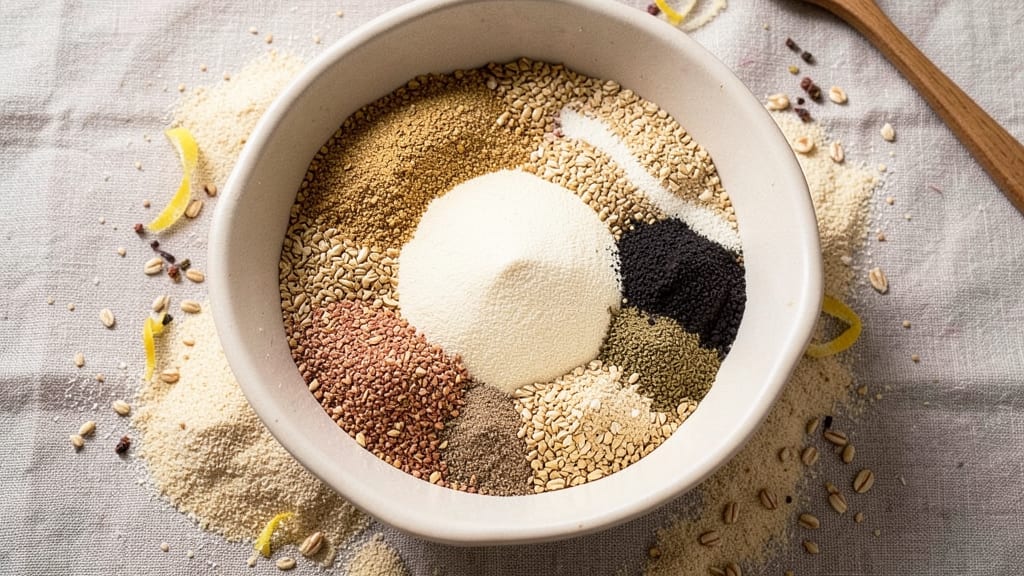
This 7-grain bread machine recipe transforms your kitchen into a bakery with minimal effort—no kneading, no stress, just a hearty loaf packed with nutty, whole-grain goodness.
The secret lies in the blend of wheat, rye, oats, barley, and other whole grains, which work together in your bread machine to create a loaf that’s dense, flavorful, and perfect for sandwiches or toast.
I’ve tested this recipe countless times, and it never fails to deliver a crusty exterior with a tender, slightly chewy interior.
The beauty of this recipe is its simplicity: just mix the ingredients, load them into your bread machine, and let it handle the rest. Whether you’re using a dough or quick bread setting, the machine does all the heavy lifting—kneading, proofing, and baking—while you focus on other tasks.
The result is a loaf that’s rich in fiber, protein, and complex flavors, making it far more nutritious (and delicious) than store-bought options.
What sets this 7-grain bread apart is the depth of flavor—each grain contributes its own texture and taste, from the earthy notes of rye to the slight sweetness of oats. Optional add-ins like seeds or honey can further customize the loaf to your taste, but even as-is, it’s a standout.
The bread stays fresh for days, making it ideal for meal prep or gifting.
Ready to bake? This recipe is designed for foolproof results in any standard bread machine, with precise timing and temperature settings to ensure a perfect rise and golden-brown crust. Let’s get started—your kitchen will smell amazing in under an hour.
Ingredients for 7 grain bread recipe for bread machine
Pantry staples plus a few specialty flours—just toss them in your bread machine.
| Ingredient | Amount | Notes |
|---|---|---|
| All-Purpose Flour 🌾 | 2 cups | For structure and texture |
| Whole Wheat Flour 🌾 | 1 ½ cups | Adds hearty texture |
| Rye Flour 🌾 | ½ cup | Earthy depth of flavor |
| Oat Flour 🌾 | ½ cup | Slightly sweet, nutty |
| Barley Flour 🌾 | ¼ cup | Chewy texture |
| Buckwheat Flour 🌾 | ¼ cup | Rich, robust flavor |
| Spelt Flour 🌾 | ¼ cup | Nutty, ancient grain |
| Milk 🥛 | 1 cup | Warm for best activation |
| Water 💧 | 1 cup | Room temperature preferred |
| Honey 🍯 | 2 tbsp | Or maple syrup for vegan |
| Dry Yeast 🍞 | 2 tsp | Active dry preferred |
| Salt 🧂 | 1 ½ tsp | Kosher or sea salt |
| Olive Oil 🫒 | 2 tbsp | Extra-virgin for richness |
| Sunflower Seeds 🌻 | ¼ cup | Optional for crunch |
The flours are what make this bread special. Rye and buckwheat give that deep, earthy flavor, while oat flour adds a subtle sweetness. Most grocery stores carry rye and whole wheat, but specialty flours like buckwheat and spelt are at Whole Foods or King Arthur Flour. If you can't find oat flour, blend rolled oats in a food processor until it's powdery. The yeast is non-negotiable—make sure it's fresh (test it by dropping in warm water with a pinch of sugar; it should foam in 5-10 minutes).
No honey? Maple syrup or agave works just as well—stick to the same amount. Short on sunflower seeds? Pumpkin seeds or flaxseeds add a nice crunch too. The olive oil can be swapped for vegetable or canola oil, but extra-virgin gives that little extra richness. If you're missing one of the specialty flours, just increase the whole wheat by the same amount. The bread machine does all the hard work, so don't stress over exact measurements—eyeball it if you're a cup short.
This bread keeps for 4-5 days at room temperature wrapped in a towel, or up to 1 week in the fridge. For longer storage, slice and freeze the loaf—it reheats beautifully in the toaster. I usually bake two loaves at once and freeze one for later. The seeds stay crunchy for days if you store it properly. Toast it up and spread with butter for the ultimate comfort food.
Why You'll Love This Recipe
- No-Fuss Mixing: I swear by the 5-minute dump-and-go method—just toss those flours (all-purpose, whole wheat, rye, oat, barley) into the bread machine pan with yeast and water. Honestly, the machine does all the heavy lifting while I sip coffee.
- Earthy Depth: That rye and barley? They add a nutty, almost toasty warmth that plain white bread can’t touch. Between us, it’s the kind of flavor that makes toast taste like a fancy brunch.
- Meal Prep MVP: I bake a loaf on Sundays and it lasts all week—perfect for sandwiches, croutons, or even freezing slices for quick toast. (Yes, even on a Tuesday night.)
- Budget Boost: Using pantry staples like whole wheat and oat flour keeps costs low while packing in fiber and texture. Plus, that barley flour gives it a hearty feel without breaking the bank.
Step-by-step instructions for 7 grain bread machine recipe
Here's how to transform your bread machine into a nutty, hearty loaf masterpiece.
Mix the Dry Ingredients Thoroughly
In a large mixing bowl, combine all the dry ingredients exactly as listed: the 2 cups all-purpose flour, 1.5 cups whole wheat flour, 0.5 cup rye flour, 0.5 cup oat flour, 0.25 cup barley flour, 0.25 cup buckwheat flour, and 0.25 cup spelt flour. Use a whisk to break up any lumps, especially in the whole wheat and oat flour—this ensures even distribution and prevents dense pockets in your bread.
I like to sprinkle the 1.5 teaspoons salt and 2 teaspoons dry yeast over the flour mixture first, then whisk them in. This prevents clumping and helps the yeast activate evenly. Set this bowl aside while you prepare the wet ingredients. The reason we measure everything precisely is that these flours have different hydration needs, and balancing them is key to that perfect crumb structure.
Warm and Combine the Wet Ingredients
In a separate measuring cup, combine the 1 cup warm milk (about 110°F—warm to the touch but not hot) and 1 cup room-temperature water. Stir in the 2 tablespoons honey and 2 tablespoons olive oil until fully incorporated. The honey adds subtle sweetness and helps with browning, while the olive oil contributes richness and tenderness to the final loaf.
Here's the thing—warm milk activates the yeast faster, but don't let it get too hot or you'll kill the yeast. If your milk isn't warm enough, microwave it for 10-15 seconds and check the temperature with your finger. The mixture should feel pleasantly warm, not scalding. This step is crucial because the yeast needs the right environment to do its job properly.
Add Wet to Dry and Mix in the Bread Machine
Pour the wet ingredient mixture into the dry ingredients and stir with a wooden spoon until just combined. You'll notice the dough will be shaggy and sticky—that's normal with these whole grain flours. Add the 0.25 cup sunflower seeds and mix them in gently. Transfer everything to your bread machine pan, making sure to scrape up any dough clinging to the bowl.
Don't worry if it looks messy. The bread machine will handle the kneading for you. Select the "Basic White Bread" setting on your machine—this cycle typically includes a 1-2 hour kneading phase followed by 1-1.5 hours of rising and baking. The machine's paddle will work its magic, developing gluten and creating that perfect texture we're after. Here's where the magic happens without any effort from you.
Let It Rise and Bake to Golden Perfection
Start your bread machine cycle and let it do its thing. While it's working, you'll hear the kneading phase begin—this is when the dough transforms from sticky to smooth. After kneading, the machine will automatically switch to rising mode. You'll know it's ready when the dough has roughly doubled in size and the machine beeps to indicate it's time to bake.
During baking, the bread will develop that beautiful golden-brown crust and fill your kitchen with an amazing aroma. The cycle typically takes about 3-4 hours total, depending on your specific bread machine model. You'll know it's done when the loaf springs out of the pan with a satisfying thump and the machine signals completion. Let it cool on a wire rack for at least 30 minutes before slicing—that's when the flavors really develop.
Slice and Serve for Maximum Enjoyment
Once cooled, slice your 7-grain loaf to reveal a beautiful open crumb with pockets of air and visible flecks from the different flours. The crust should be crisp and golden, while the interior remains soft and slightly chewy. This bread pairs perfectly with soups, stews, or even as a base for open-faced sandwiches—its nutty, hearty flavor makes it incredibly versatile.
I like to store any leftovers wrapped in a clean kitchen towel in an airtight bag. This helps maintain freshness for up to 5 days, though I rarely have any leftovers. The combination of these ancient grains creates a bread that's not just delicious, but also packed with nutrients. Each slice tells a story of the different flours working together in harmony—something you just can't get with standard white bread.
Pro Tips For Making 7 Grain Bread Recipe For Bread Machine
- WEIGH YOUR FLOURS: After measuring by volume, I learned the hard way—those fluffy cups of oat or barley flour pack differently than all-purpose. Use a kitchen scale for accuracy, especially with whole wheat and rye, which absorb moisture faster. A 10-gram difference in your 7-grain mix throws off the texture.
- HYDRATE OAT FLOUR FIRST: Oat flour soaks up water like a sponge. Mix it with the wet ingredients (yeast, water, honey) before adding dry flours—this prevents a gummy, dense loaf. Let it sit for 5 minutes while you measure the rest; it’ll save you from over-kneading later.
- DON’T OVERMIX THE DOUGH: Once the bread machine starts kneading, resist the urge to peek or press the pause button. Whole wheat and rye flours develop gluten slower than all-purpose, so let the machine do its thing for the full cycle. Overworking the dough makes it tough—like chewing cardboard.
- ADD SEEDS LAST: If your recipe includes seeds (chia, flax, sunflower), toss them in during the final 2 minutes of kneading. They’ll distribute evenly without sinking to the bottom or burning during baking. (I used to forget this and ended up with a loaf that looked like it had a secret stash.)
Flavor customization for this dish
Sweet Variations
Add 1-2 tablespoons of maple syrup or agave nectar to the wet ingredients for a subtly sweet loaf that pairs beautifully with butter. I often swap the honey for molasses (just 1 tablespoon) to deepen the caramel notes—this works especially well with rye and buckwheat.
For a dessert-style bread, fold in ½ cup chopped dried fruit like raisins or cranberries during the final mixing stage. 🍯
Herb & Seed Boosts
Incorporate 1 tablespoon fresh rosemary or thyme into the dry ingredients for an aromatic twist that complements the nutty grains. I love adding 2 tablespoons chopped walnuts or pecans for extra texture and richness.
For a Middle Eastern-inspired variation, mix in 1 tablespoon sesame seeds alongside the sunflower seeds—they toast beautifully during baking.
Cheesy & Savory Twists
Fold ½ cup shredded cheddar or Gruyère into the dough during the final mixing stage for a cheesy loaf that’s perfect for sandwiches. I’ve also had great success with 1 tablespoon nutritional yeast (for a cheesy flavor without dairy) plus 2 tablespoons chopped sun-dried tomatoes.
The tangy, umami notes balance the grain’s earthiness beautifully. 🧀
Gluten-Free Adaptations
Replace 1 cup of the all-purpose flour with a 1:1 gluten-free flour blend (like Bob’s Red Mill) to make this bread accessible for gluten-sensitive eaters. For best results, also reduce the water by 2 tablespoons—gluten-free flours absorb moisture differently.
The texture will be slightly denser but still hearty. I’ve tested this with King Arthur gluten-free flour and found it works well.
Spiced & Warm Flavors
Add ½ teaspoon cinnamon or pumpkin pie spice to the dry ingredients for a cozy, autumnal loaf. A pinch of cardamom (just ¼ teaspoon) adds an unexpected but delightful complexity.
For a smoky depth, sprinkle ½ teaspoon smoked paprika into the wet ingredients. These spices enhance the bread’s natural nuttiness without overpowering it. 🌿
Nutrition facts
Frequently asked questions
Can I substitute any of the specialty flours in this 7-grain bread?
Yes! If you're missing one of the specialty flours, simply increase the whole wheat flour by the same amount. For example, if you can't find buckwheat, add an extra 0.25 cup of whole wheat instead. The bread machine will still create a delicious loaf, though the flavor profile will be slightly different.
Why does my bread machine dough look too sticky?
Whole grain flours absorb more moisture, so sticky dough is normal. Don't add extra flour—the bread machine needs time to develop gluten. If it's extremely sticky, try using a slightly smaller pan or adding 1 tablespoon extra olive oil to help with mixing. The machine will handle the texture during kneading.
How do I know if my yeast is still active?
Test it by mixing 1 teaspoon yeast with ¼ cup warm water and ½ teaspoon sugar. If it foams within 5-10 minutes, it's active. Fresh yeast is crucial—old yeast won't activate properly and can ruin your bread. Check expiration dates on the package.
Can I make this bread without a bread machine?
Yes, but you'll need to handle kneading and proofing manually. Mix all ingredients, knead for 8-10 minutes until smooth, then let rise for 1-2 hours until doubled. Shape into a loaf, place in a greased pan, and bake at 375°F for 35-40 minutes until golden. The texture will be slightly different but still delicious!
What's the best way to store this bread to keep it fresh?
Wrap the cooled loaf in a clean kitchen towel, then place it in an airtight bag or container. This method keeps it fresh for 4-5 days at room temperature. For longer storage, slice and freeze—it reheats beautifully in the toaster. The towel helps maintain moisture better than plastic alone.