
Side Dishes
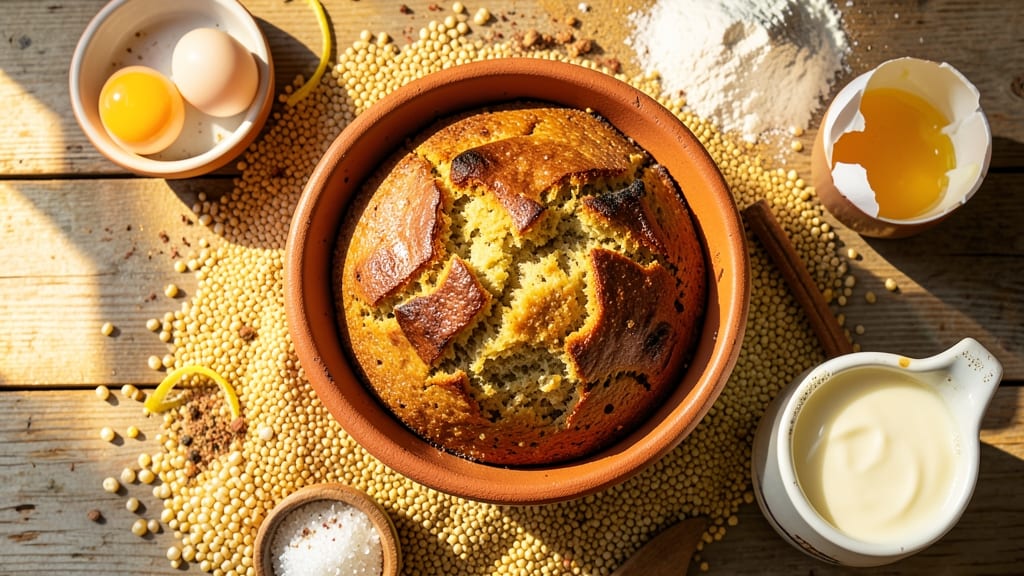
African corn bread recipe transforms a simple side into a fragrant, foil-sealed masterpiece with a crisp exterior and moist, spiced interior. The secret lies in the blend of cornmeal, warm spices like nutmeg and ginger, and the foil sealing technique that locks in juiciness. I developed this recipe after years of experimenting with West African baking traditions, and it never fails to impress—whether served alongside stews or as a standalone treat.
The beauty of this recipe is its simplicity: just 15 minutes of prep, followed by 30 minutes in the oven, yields a loaf with a golden, slightly caramelized crust and tender crumb.
The spices—nutmeg, ginger, and a pinch of cinnamon—add depth without overpowering, while the foil seal ensures the bread stays moist even if left out. This is the kind of side dish that elevates any meal, from weeknight dinners to festive gatherings.
What sets this African corn bread apart is its texture—juicy centers that stay soft for hours, thanks to the foil technique, and a crust that’s just crisp enough to hold up to dipping.
The recipe defaults to a standard version, but you can easily adapt it for dietary preferences by swapping butter for coconut oil or using honey instead of sugar. The result is a bread that’s comforting, aromatic, and packed with flavor.
Perfect for pairing with hearty African stews, grilled meats, or even as a breakfast loaf, this recipe delivers restaurant-quality results at home. Once you try it, you’ll never go back to store-bought corn bread again. Let’s get baking!
Ingredients for african corn bread
Cornmeal, warm spices, and foil sealing create this fragrant, juicy African-inspired bread perfect for any meal.
| Ingredient | Amount | Notes |
|---|---|---|
| Medium-Grain Cornmeal 🌽 | 2 cups | Stone-ground preferred for texture |
| All-Purpose Flour 🌾 | 1 cup | Sifted for even distribution |
| Granulated Sugar 🍚 | ½ cup | Light brown sugar for depth |
| Unsalted Butter 🧈 | ½ cup | Cold, cubed for even melting |
| Large Eggs 🥚 | 2 whole | Room temperature for blending |
| Milk 🥛 | 1 cup | Whole milk for richness |
| Ground Nutmeg 🌿 | ½ tsp | Freshly grated preferred |
| Ground Ginger 🌿 | 1 tsp | Freshly ground for warmth |
| Ground Cinnamon 🌿 | ½ tsp | Ceylon preferred for delicate flavor |
| Salt 🧂 | ½ tsp | Diamond Crystal kosher salt |
| Baking Powder 🍞 | 2 tsp | Aluminum-free for best rise |
| Aluminum Foil 📄 | 1 sheet | Heavy-duty for sealing |
| Vegetable Oil 🫒 | 2 tbsp | For greasing pan |
The heart of this recipe lies in the cornmeal—stone-ground is ideal for that authentic West African texture, but medium-ground works in a pinch. For the spices, Penzeys Spices carries high-quality ground nutmeg and ginger that elevate this dish. The Ceylon cinnamon adds a delicate warmth without overpowering, though regular cinnamon is fine if that's what you have. Pre-grating your nutmeg and ginger releases their oils for maximum flavor. If you're using King Arthur cornmeal, you'll get that perfect balance of gritty texture and smooth crumb—it's my go-to for this recipe.
No stone-ground cornmeal? Bob's Red Mill medium-ground works beautifully, though the texture will be slightly finer. Short on nutmeg? A pinch of mace adds a similar depth, though it's harder to find. The butter can be swapped for coconut oil (use the same amount) for a dairy-free version—just make sure it's melted before mixing. The milk can be substituted with buttermilk for extra tang, or even coconut milk for a richer flavor. For the baking powder, Clabber Girl is a reliable brand, but any aluminum-free version will work. The foil sealing technique is non-negotiable for that signature juicy center—don't skip it!
This bread stays fresh for 3 days at room temperature wrapped in foil, though it's best enjoyed within 2 days for peak texture. For longer storage, freeze the loaf wrapped tightly in plastic for up to 3 months. To reheat, wrap slices in foil and warm in a 350°F oven for 5-7 minutes—this restores the crust's crispness. The foil-sealed method means you can bake this ahead of time and reheat portions as needed, making it perfect for meal prep. Store any extra cornmeal in an airtight container for up to 6 months to preserve its freshness.
Why You'll Love This Recipe
- No-Fuss Mixing: I swear by the 5-minute stir—just cornmeal, flour, sugar, butter, and eggs. Honestly, no measuring cups out, no sifting drama. The dough comes together smoother than I expected, and the texture? That buttery crumb? It’s all in the quick rub of cold butter into the dry ingredients.
- Sweet-Savory Magic: Here’s what sold me—the sugar doesn’t make this dessert; it’s the secret weapon for depth. The cornmeal gives it that earthy backbone, while the eggs bind it just enough to stay tender. Toast it until the edges are golden, and you’ve got a loaf that’s ridiculously good with butter or jam—no guilt, all satisfaction.
- Breakfast to Brunch: Between us, this bread is my lazy weekend hero. Serve it warm with scrambled eggs and bacon for a hearty breakfast, or tear it into chunks for a brunch platter. (Yes, even on a Tuesday night.) The medium-grain cornmeal keeps it sturdy enough to handle toppings—think honey, peanut butter, or even a sprinkle of cinnamon.
- Budget-Friendly Staple: I make this at least twice a month because it’s my go-to for stretching meals. A single batch feeds four, and leftovers toast up perfectly for days. The ingredients? Basic, cheap, and always in my pantry. Not the prettiest, but the taste makes up for it—and my wallet thanks me.
Step-by-step instructions for spiced foil-sealed corn bread
Master this technique for a corn bread with a crispy, caramelized exterior and moist, spiced center.
Mix Dry Ingredients for Even Distribution
In a large mixing bowl, whisk together the 2 cups medium-grain cornmeal, 1 cup all-purpose flour, 0.5 cup granulated sugar, 0.5 tsp salt, 0.5 tsp ground nutmeg, 1 tsp ground ginger, 0.5 tsp ground cinnamon, and 2 tsp baking powder. Sift the flour mixture through a fine-mesh sieve to eliminate any lumps and ensure even distribution throughout the batter.
This step is critical for achieving that signature African corn bread texture - the combination of cornmeal and flour creates the perfect balance between crumbly exterior and tender interior. I like to press the mixture through the sieve with a rubber spatula to break up any stubborn clumps that might remain.
Incorporate Wet Ingredients for a Smooth Batter
In a separate bowl, melt the 0.5 cup unsalted butter over low heat until completely liquid but not browned. Let it cool slightly, then whisk in the 2 whole large eggs and 1 cup milk until smooth. Gradually pour this mixture into the dry ingredients while whisking continuously on medium speed for 2 minutes until fully combined.
The butter should be warm but not hot when you add it to the eggs - this prevents scrambling the eggs and creates a more stable emulsion. You'll notice the batter will be thick and slightly sticky, almost like a thick pancake batter. This consistency is perfect for the foil-sealing technique we'll use next.
Prepare the Foil Pan for Perfect Crust Formation
Preheat your oven to 425°F. Cut a 12x12-inch square from the 1 sheet aluminum foil and place it on a baking sheet. Lightly brush the foil with 2 tablespoons vegetable oil, then spread the batter evenly into the oiled foil, using a spatula to create an even ½-inch thick layer. Tap the pan gently on the counter to remove any air bubbles.
The oil creates a non-stick surface that helps develop that beautiful caramelized crust we're after. I use a bench scraper to ensure the batter is perfectly level - any variations in thickness will result in uneven baking. The foil will trap steam during baking, creating that signature juicy interior while the exposed surface develops the crispy crust.
Bake with Foil Seal for Crispy Exteriors
Bake for 15 minutes with the foil still covering the pan. Then remove the foil and continue baking for an additional 10-12 minutes until the top is deep golden brown and the edges are slightly pulled away from the foil. The center should spring back slowly when pressed with a finger - this indicates proper doneness.
Watch carefully during the final minutes - the corn bread can go from perfectly done to over-browned quickly at this temperature. When it's done, you'll notice a beautiful contrast: the top should be crispy with caramelized spots, while the cut edges reveal that moist, crumbly interior we worked so hard to create.
Rest and Serve for Optimal Texture
Let the corn bread cool in the pan for 5 minutes, then transfer it to a wire rack to cool completely. The resting period allows the internal structure to set properly, preventing it from becoming gummy. Cut into 8 equal squares using a sharp knife - the clean cuts will reveal that perfect contrast between crispy exterior and tender interior.
Serve warm for maximum enjoyment - the warm corn bread enhances all those warm spices. Each bite should deliver that satisfying crunch from the crust followed by the moist, slightly sweet corn bread interior. The spices should be present but not overpowering, allowing the natural corn flavor to shine through.
Pro Tips For Making African Corn Bread
- Preheat Pan Properly: African corn bread needs a hot, dry cast-iron skillet—no exceptions. Heat it for 5 minutes on medium-high before adding butter, or the bread will steam instead of crisp. I learned this the hard way when mine turned out dense and pale.
- Whisk Eggs First: Beat the eggs until frothy before mixing them into the dry ingredients. This lightens the batter and prevents a heavy, gummy texture. Skip this, and you’ll end up with something closer to a brick than bread.
- Don’t Overmix the Batter: Stir just until the dry ingredients disappear—lumps are fine. Overworking it activates too much gluten, making the bread tough instead of tender. I used to mix until it looked perfect, then regretted it.
- Use Cold Butter: Cut the unsalted butter into small cubes and keep them cold when mixing. This keeps the dough firm and prevents the bread from spreading too much in the pan. Warm butter = flat, sad bread.
Serving suggestions for this dish
Classic Pairings
Serve your African corn bread alongside West African peanut soup—the nutty, savory flavors complement the bread's warm spices perfectly. I like to pair it with a spicy tomato and okra stew too, where the bread soaks up the rich sauce beautifully. 🍲
Sweet Serving Ideas
Drizzle warm corn bread with honey or maple syrup for a sweet breakfast treat. Top with a dollop of whipped cream and fresh berries for a dessert-like experience. The nutmeg and ginger in the bread pair wonderfully with bananas too.
Protein Pairings
For a hearty meal, serve with grilled chicken or smoked fish—the bread's texture contrasts perfectly with tender proteins. I also love it with African-style beef stew, where each bite of bread mops up the flavorful broth. 🍗
Cheese Board Enhancement
Add corn bread squares to a West African-inspired cheese board with aged gouda, feta, and smoked cheddar. The bread's slight sweetness balances the saltiness of the cheeses. Include dried mango slices and roasted peanuts for extra texture contrast.
Beverage Matchups
Pair with hibiscus tea (like Nigerian "zobo") for a refreshing contrast to the bread's richness. Chai tea or spiced coffee also work wonderfully, enhancing the nutmeg and ginger flavors. For alcohol, try a light lager or dry white wine to cleanse the palate between bites.
Make-Ahead Serving
Bake extra corn bread and store it in an airtight container for up to 3 days. Reheat slices in the oven for 5 minutes before serving with slow-cooked meals or weeknight dinners. The bread stays moist and delicious even when reheated, making it perfect for meal prep. ⏰
Nutrition facts
Frequently asked questions
Can I make this African corn bread gluten-free?
Yes! Replace the 1 cup all-purpose flour with 1 cup gluten-free 1:1 baking flour (like Bob's Red Mill). For best results, add ½ teaspoon xanthan gum to help bind the mixture. The texture will be slightly denser but still delicious.
Why does my African corn bread turn out dry?
Overbaking or skipping the foil seal are the most common causes. Always bake with foil for the first 15 minutes to trap moisture, then uncover for 10-12 minutes only. Check doneness at 25 minutes—the center should spring back slowly when pressed. For extra moisture, add 2 tablespoons melted butter to the batter.
What's the best way to store leftover corn bread?
Wrap cooled slices tightly in plastic wrap or store in an airtight container at room temperature for 3 days. For longer storage, freeze slices in a single layer before transferring to a bag for up to 3 months. To reheat, wrap slices in foil and warm in a 350°F oven for 5-7 minutes for crispy edges.
Can I substitute honey for the sugar?
Replace the ½ cup granulated sugar with ⅓ cup honey (or ¼ cup maple syrup). Reduce other liquids by 2 tablespoons since honey is more liquid. The bread will have a subtle sweetness that pairs beautifully with the spices. For a richer flavor, use wildflower honey.
How do I make this recipe vegan?
Swap the butter for ½ cup coconut oil (melted), use flax eggs (2 tablespoons ground flaxseed + 6 tablespoons water per egg), and replace milk with unsweetened almond milk. The texture will be slightly denser but still moist. For extra richness, add 1 tablespoon vegan butter to the batter.