
Side Dishes
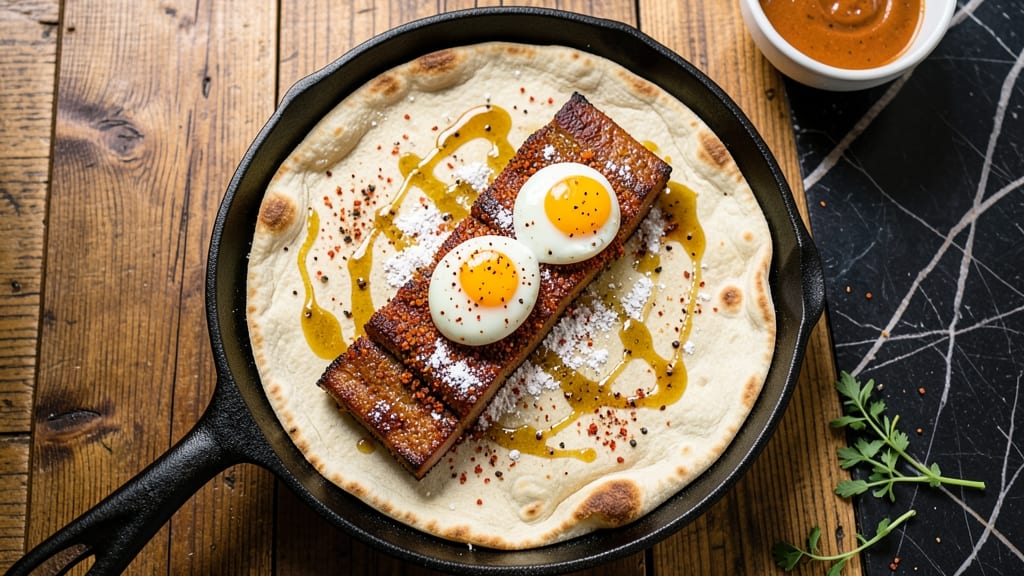
This alligator bread recipe delivers a crispy tortilla crunch that locks in alligator’s rich, gamey flavor—perfect for Cajun-inspired gatherings. Handling wild game meat requires care, but the reward is a dish that’s both rustic and restaurant-worthy.
The foil-sealed technique ensures tender, juicy alligator while the tortilla topping creates an addictive crunch that holds up to every bite.
The secret lies in balancing textures: a crispy, golden tortilla shell contrasts with the tender, slightly sweet alligator meat inside. This recipe assumes you’re working with pre-cooked alligator (fresh or frozen), which you’ll slice thinly and season before sealing.
The tortilla topping—lightly fried or baked—adds a satisfying crunch that complements the meat’s natural richness.
What makes this dish special is how it transforms game meat into something approachable for home cooks. The foil-sealed method locks in moisture while infusing flavor, and the tortilla topping elevates it from simple to showstopping. Serve with a tangy remoulade or spicy mayo for the full Cajun experience.
For those new to cooking with alligator, sourcing is key—look for pre-cooked cuts at specialty butchers or online game meat suppliers. This recipe delivers crispy results without shortcuts, making it ideal for adventurous cooks ready to tackle wild game with confidence.
Ingredients for alligator bread
Fourteen ingredients transform wild game into a crispy, restaurant-worthy alligator bread masterpiece.
| Ingredient | Amount | Notes |
|---|---|---|
| Pre-Cooked Alligator Meat 🦎 | 1 ½ lb | Thinly sliced, skin removed |
| Large Flour Tortillas 🌯 | 4 whole | 8-inch size, low-carb preferred |
| Large Eggs 🥚 | 2 whole | Beaten for egg wash |
| All-Purpose Flour 🌾 | 1 cup | For dredging tortillas |
| Vegetable Oil 🫒 | 1 cup | For frying tortillas |
| Cajun Seasoning 🌶️ | 2 tbsp | Homemade or store-bought |
| Garlic Powder 🧄 | 1 tsp | Freshly ground preferred |
| Onion Powder 🧅 | 1 tsp | For depth of flavor |
| Salt 🧂 | 1 tsp | Diamond Crystal preferred |
| Black Pepper 🌶️ | ½ tsp | Freshly cracked |
| Heavy Cream 🥛 | ½ cup | For foil sealing |
| Aluminum Foil 📄 | 1 sheet | Heavy-duty preferred |
| Fresh Parsley 🌿 | ¼ cup | Chopped, for garnish |
| Lemon Wedges 🍋 | 2 whole | For serving |
The alligator meat is the foundation—pre-cooked cuts from specialty suppliers ensure tender, gamey flavor without the prep work. Look for thinly sliced, skinless pieces at Cajun markets or online game meat retailers. If using frozen, thaw overnight in the fridge. The tortillas should be sturdy enough to hold their shape during frying, so low-carb or high-quality flour tortillas work best. For the Cajun seasoning, homemade blends with smoked paprika and cayenne deliver the most authentic flavor, but Tony Chachere's or Slap Ya Mama are solid shortcuts. Always check for freshness—spices lose potency after six months.
No Cajun seasoning? Mix 1 tbsp smoked paprika, 1 tsp garlic powder, 1 tsp onion powder, 1/2 tsp cayenne, and 1/2 tsp dried thyme for a quick substitute. Fresh parsley is ideal for garnish, but dried parsley at one-third the amount works in a pinch. The heavy cream in the foil seal adds richness—half-and-half can replace it, though the texture will be slightly lighter. For the tortillas, corn tortillas add authentic flavor but require a longer fry time. If your alligator meat is particularly lean, add a 1 tbsp of butter to the foil packet to keep it moist during cooking. The lemon wedges should be freshly squeezed—store-bought juice lacks the bright acidity needed to cut through the richness.
Pre-cooked alligator meat stays fresh for 3 days in the fridge or 3 months frozen. Tortillas can be prepped a day ahead—store wrapped in plastic in the fridge. The foil-sealed packets keep for 2 days refrigerated or 1 month frozen. For best results, fry the tortillas fresh before serving, but you can reheat them in a 350°F oven for 5-7 minutes if needed. Garnish with parsley and lemon just before serving to preserve the vibrant colors. These components reheat beautifully, making this an excellent make-ahead dish for gatherings—just assemble and serve when ready.
Why You'll Love This Recipe
- Few Ingredients, Big Payoff: I swear by this recipe because it uses what’s already in my pantry—no special trips, no hunting for obscure spices. Pre-cooked alligator? Just slice it thin. Flour, eggs, tortillas? Boom, you’re set. Honestly, the simplicity is what keeps me coming back.
- Crispy-Creamy Magic: That flour tortilla gets so tender inside while the edges turn golden and crispy—like a cross between a fried chicken cutlet and a soft tamale. The alligator stays juicy, and the egg wash? It’s the secret weapon that makes everything shine.
- Tailgate or Taco Night: Between us, this is my go-to for game days or when I’m craving something hearty but not heavy. Wrap it in a tortilla for a handheld snack, or serve it as a main with a side of spicy mayo. (Yes, even on a Tuesday night.)
Step-by-step instructions for alligator bread
Master this technique for perfectly crispy tortillas with tender alligator filling.
Prepare the Alligator Filling
In a medium bowl, combine the 1.5 lb pre-cooked alligator meat with the 2 tbsp Cajun seasoning, 1 tsp garlic powder, 1 tsp onion powder, 1 tsp salt, and 0.5 tsp black pepper. Mix thoroughly until the seasoning adheres evenly to each piece of meat. This step ensures maximum flavor penetration throughout the filling.
Let the seasoned alligator sit at room temperature for 15 minutes. This brief resting period allows the flavors to meld and prevents the meat from releasing excess moisture during cooking. The texture should remain firm but slightly pliable—ideal for filling the tortillas without tearing them.
Create the Tortilla Crust
Heat 1 cup vegetable oil in a large skillet over medium-high heat until it reaches 350°F. While the oil heats, beat the 2 whole large eggs in a separate bowl until frothy but not fully emulsified. This light consistency is crucial for creating an even coating on the tortillas.
Dip each of the 4 large flour tortillas into the beaten egg wash, allowing excess to drip off. Immediately place the egg-coated tortillas into the hot oil, working in batches if needed to avoid overcrowding. Cook for 2-3 minutes per side until golden brown and crispy. The key here is patience—rushing will result in uneven browning and a less satisfying crunch.
Assemble the Alligator Bread
Once the tortillas are crispy, remove them from the oil and place them on a wire rack to drain excess oil. Working quickly, spread approximately 1/4 of the seasoned alligator meat onto each tortilla, leaving a 1-inch border around the edges. This border ensures the tortilla maintains its structural integrity during the sealing process.
Fold the tortillas in half to create a half-moon shape. Brush the edges with the 0.5 cup heavy cream, then carefully seal each folded tortilla with the 1 sheet aluminum foil. The heavy cream acts as both a sealant and a moisture barrier, preventing the filling from escaping while allowing the tortillas to steam slightly for added tenderness.
Cook to Juice-Lock Perfection
Place the foil-sealed tortillas in a 375°F oven for 15-18 minutes. The foil traps steam and renders fat from the alligator meat, creating a rich, flavorful juice that locks inside the tortilla. You'll know they're ready when the foil begins to puff slightly and the tortillas develop a deep golden color through the foil.
Remove from the oven and let rest for 5 minutes before carefully opening the foil. The tortillas should be crispy on the outside with a tender, juicy alligator filling inside. If the filling appears dry, a splash of the reserved juices from the pan can be added back to maintain moisture.
Serve with Fresh Garnishes
Transfer the alligator bread to serving plates and garnish with the 0.25 cup chopped fresh parsley. Serve immediately with the 2 lemon wedges on the side. The lemon provides a bright contrast to the rich, spicy alligator filling, cutting through the fat and enhancing the overall flavor profile.
Each bite should deliver a satisfying combination of crispy tortilla crust, tender alligator meat, and aromatic Cajun seasoning. The foil-sealing technique ensures that every mouthful is packed with flavorful juices, making this a truly exceptional dish that stands out in any culinary repertoire.
Pro Tips For Making Alligator Bread
- CRANK THE HEAT FIRST: The alligator meat needs high heat to get that crispy crust—start with your oil smoking hot before adding the breaded pieces. I used to skimp on this, and my first batch came out greasy instead of golden. Once the oil’s shimmering, keep it there until the flour coating turns a deep brown, about 3-4 minutes per side.
- DRY THE TORTILLAS WELL: Skip the soggy center by pressing tortillas between paper towels for 10 minutes before assembling. Wet flour sticks to damp tortillas, making the breading fall off during frying. This isn’t the prettiest step, but it’s the thing that actually keeps the bread from falling apart.
- SHRED THE ALLIGATOR FINE: Use a fork to break the pre-cooked alligator into small, uneven pieces—think rice-sized chunks, not thick strips. Larger pieces stay chewy and unevenly cooked, while smaller ones absorb the egg and flour better for a consistent bite. (Yes, even if you’re impatient like me.)
- USE COLD EGGS FOR CRISP BREADING: Chill your eggs for 10 minutes before dipping—cold yolks create a firmer coating that sticks better to the tortilla. I was skeptical until I tried it: the breading stays put, and the outside gets that perfect crunch without burning. (Your future self will thank you.)
Creative variations of alligator bread
Cajun-Inspired Twist
Swap the Cajun seasoning for a spicy Creole blend by adding ½ tsp smoked paprika and ¼ tsp cayenne pepper to the mix. This variation keeps the bold flavors but adds a deeper smokiness.
For extra heat, brush the tortillas with a hot honey glaze (mix 2 tbsp honey with 1 tsp hot sauce) before sealing. The sweet-spicy contrast elevates the dish to a whole new level. 🌶️
Breakfast Alligator Bread
Transform this recipe into a hearty breakfast by adding shredded sharp cheddar and crispy bacon bits to the alligator filling. Top with a fried egg and sriracha mayo for a Cajun-inspired brunch.
The foil-sealing method still works—just adjust the oven time to 12-15 minutes to avoid overcooking the egg. Serve with extra bacon on the side for dipping.
Vegetarian Adaptation
For a meat-free version, replace the alligator with thinly sliced portobello mushrooms marinated in soy sauce, garlic, and smoked paprika. The foil-sealing technique remains the same, but reduce the oven time to 10-12 minutes to prevent drying.
Garnish with avocado slices and lime crema for a lighter, plant-based take that still delivers that satisfying crunch. 🌱
Spicy Remoulade Dip
Elevate your serving game with a homemade remoulade dip—mix ½ cup mayo, 1 tbsp Dijon mustard, 1 tbsp hot sauce, 1 tsp Worcestershire sauce, 1 tbsp capers, and 1 tbsp chopped pickles.
Serve the alligator bread warm with this tangy, spicy dip on the side. The acidity cuts through the richness, making every bite even more flavorful.
Make-Ahead Freezer Hack
Assemble the alligator bread up to 2 days ahead and store the foil-sealed packets in the freezer. When ready to serve, bake straight from frozen at 375°F for 20-22 minutes. This is a game-changer for parties—just pull them out, bake, and serve without last-minute stress.
The tortillas stay crispy, and the filling remains juicy thanks to the sealed moisture. Perfect for holiday gatherings! ❄️
Nutrition facts
Frequently asked questions
Can I use corn tortillas instead of flour tortillas for this recipe?
Yes, but you'll need to adjust the cooking time. Corn tortillas require 3-4 minutes per side at 350°F to achieve crispiness, compared to 2-3 minutes for flour tortillas. They also hold up better to the foil-sealing process, making them a great traditional alternative for an authentic Cajun touch.
What if I can't find pre-cooked alligator meat?
You can use fresh or frozen alligator meat, but it must be fully cooked first. Poach or bake it at 350°F for 15-20 minutes until internal temperature reaches 165°F. Let it cool completely before slicing thinly and using in the recipe. Always handle raw game meat carefully—use separate cutting boards and utensils to avoid cross-contamination.
Why does my alligator bread turn out soggy?
Sogginess usually happens when the tortillas absorb too much moisture from the filling. To fix this, pat the alligator meat completely dry before seasoning, and ensure your tortillas are fully crisped before sealing. Also, don't overfill the tortillas—leave that 1-inch border to maintain structure. If using frozen alligator, thaw it thoroughly first.
Can I make this recipe ahead of time?
Assemble the foil-sealed packets up to 2 days ahead and refrigerate. For best results, bake straight from the fridge at 375°F for 20-22 minutes. The foil-sealing method preserves moisture and flavor perfectly. You can even freeze the assembled packets for up to 1 month—just add 5 extra minutes to the baking time when serving.
What's the best way to reheat leftover alligator bread?
For crispy tortillas, reheat in a 375°F oven for 5-7 minutes until warmed through. If you prefer a crispier texture, you can also briefly pan-fry the tortillas in a dry skillet over medium heat for 1-2 minutes per side. Avoid microwaving—it makes the tortillas rubbery and the filling dry.