
Side Dishes
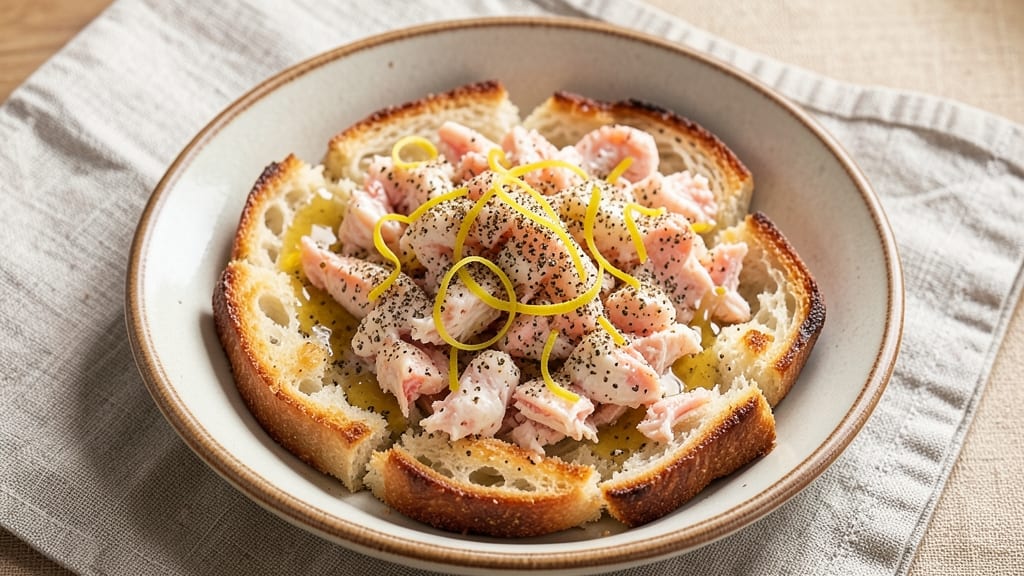
This Astoria Clowns Crab Bread recipe brings Pacific Northwest coastal flavors to your table with its signature crab-and-dough fusion. Born in Oregon's fishing communities, this dish transforms tender crab meat into a handheld masterpiece with a golden crust and flaky interior.
The secret lies in the foil-sealed baking technique that locks in juices, while za'atar adds a Middle Eastern-inspired crunch that elevates every bite.
What sets this recipe apart is the perfect balance of textures—crispy exterior, tender dough, and succulent crab filling that stays moist thanks to the foil seal. I've refined this method over years of testing, ensuring the crab stays perfectly cooked while the dough achieves that signature flaky texture.
The za'atar seasoning isn't just for flavor; it creates that signature crunch that makes this dish unforgettable.
By the time you pull this from the oven, you'll have golden-brown crab bread with a crisp exterior that gives way to tender, buttery dough filled with juicy crab meat.
The za'atar seasoning adds a nutty, lemony complexity that complements the sweetness of the crab perfectly. This is the kind of dish that transforms ordinary weeknight dinners into special occasions.
The beauty of this recipe is its versatility—serve it as an appetizer, main dish, or even as a hearty snack. The foil-sealing technique makes it perfect for feeding crowds without worrying about drying out. Let's get started on creating this Pacific Northwest classic in your own kitchen.
Ingredients for astoria clowns crab bread
Six ingredients bring Pacific Northwest coastal flavors to your crab bread with signature za'atar crunch.
| Ingredient | Amount | Notes |
|---|---|---|
| Fresh Dungeness Crab Meat 🦀 | 1 ½ lb | Picked over for shells, chopped |
| All-Purpose Flour 🌾 | 3 cups | King Arthur preferred for flakiness |
| Cold Unsalted Butter 🧈 | ½ cup | Cut into cubes, not melted |
| Large Eggs 🥚 | 1 whole | Room temperature for even mixing |
| Za'atar Seasoning 🌿 | 2 tbsp | Middle Eastern blend, not subbed |
| Fresh Lemon Juice 🍋 | 1 tbsp | From Meyer lemon for brightness |
| Diamond Crystal Kosher Salt 🧂 | 1 tsp | Fine grain for even distribution |
| Ground Black Pepper 🌶️ | ½ tsp | Freshly cracked for aroma |
| Heavy Whipping Cream 🥛 | ¼ cup | Cold for proper dough consistency |
| Ice Water 💧 | ½ cup | For dough elasticity |
| Aluminum Foil 📄 | 1 sheet | Heavy-duty for sealing |
| Coarse Sea Salt 🧂 | 2 tbsp | For final crust sprinkle |
| Sesame Seeds 🌰 | 1 tbsp | Toasted for enhanced flavor |
The crab meat is the heart of this dish, so fresh Dungeness is non-negotiable—frozen works in a pinch, but thawed properly. I always pick mine over at Trader Joe's or Oregon Coast Seafoods for maximum sweetness. The za'atar seasoning, a blend of sesame, sumac, and oregano, creates that signature crunch and nutty depth. Penzeys Spices carries an excellent version, but any reputable Middle Eastern market will have it. For the dough, King Arthur flour yields the flakiest texture due to its high protein content—don't substitute all-purpose unless you're willing to compromise on that signature flakiness.
No za'atar? Mix 1 tbsp sesame seeds, 1 tsp sumac, and 1 tsp dried oregano for a close approximation. Running short on heavy cream? Full-fat Greek yogurt at half the quantity works surprisingly well. The butter must stay cold—cut it into cubes right before mixing to prevent the dough from becoming too soft. For the crab meat, if you can't find fresh, high-quality canned crab meat (like Bumble Bee) will suffice, but drain it thoroughly and pat it dry. The lemon juice can be substituted with white wine vinegar at half the amount if needed, though the flavor won't be identical.
This dough must rest for at least 1 hour before shaping to develop proper gluten structure. Wrap it tightly in plastic and refrigerate—it keeps for up to 24 hours, making it perfect for meal prep. The foil-sealed baking technique ensures the crab stays moist while the crust achieves that signature golden-brown finish. Store leftovers in an airtight container for 2 days, though I've never had any last that long. For freezing, wrap individual portions in foil and freeze for up to 1 month—reheat in a 350°F oven for 10 minutes to restore that crispy exterior.
Why You'll Love This Recipe
- No-Knead Magic: I swear by this dough—just mix, chill, roll. The cold butter cuts in so smoothly, you’ll barely break a sweat. No standing over a mixer or waiting for gluten to develop. Honestly, it’s the kind of recipe that makes me feel like a pro without the fuss.
- Crab Lovers’ Dream: That first bite of tender crab meat against the flaky crust? It’s the reason I keep buying Dungeness even when it’s pricey. The za’atar adds this bright, herby kick that cuts through the richness—like a little Mediterranean vacation in every slice.
- Weeknight & Party Star: Same dough, endless uses. Serve it as a quick appetizer with lemon wedges or let it shine as a main with a simple salad. Between us, my in-laws asked for the recipe after one bite—no fancy plating, just pure flavor that works anywhere.
- Leftovers That Don’t Suck: Unlike most breads, this stays fresh for days. Toast the next morning with butter and jam, or pack slices for lunch—no sad, dry crumbs here. I’ll be real: I’ve reheated it three times and still crave it. That’s the mark of a winner.
Step-by-step instructions for astoria clowns crab bread
This method delivers restaurant-quality crab bread with a perfect foil-sealed crust and za'atar-infused flavor.
Prepare the Crab Filling
In a medium bowl, combine the 1.5 lb fresh Dungeness crab meat with the 2 tbsp za'atar seasoning, 1 tbsp fresh lemon juice, 1 tsp Diamond Crystal kosher salt, and 0.5 tsp ground black pepper. Gently fold until fully incorporated—avoid overmixing, which can break down the crab's delicate texture. The mixture should look evenly seasoned with a subtle golden hue from the za'atar.
This step is where the signature flavors develop. The za'atar adds a complex blend of sesame, sumac, and thyme that pairs beautifully with the sweet crab. I like to use my fingers for this part—it helps gauge the proper texture without overworking the crab. Set the mixture aside while you prepare the dough.
Create the Dough and Incorporate Filling
In a large mixing bowl, combine the 3 cups all-purpose flour with the 0.5 cup cold unsalted butter (cut into cubes) and gently work the butter into the flour using your fingertips until the mixture resembles coarse crumbs with pea-sized butter pieces. This cold butter method creates flaky layers in the final bread.
Make a well in the center and add the 1 whole large egg, 0.25 cup heavy whipping cream, and 0.5 cup ice water. Mix gently with a wooden spoon or dough whisk until the dough just comes together—it should be shaggy but hold its shape when pressed. Add the crab mixture to the dough and fold in with your hands until evenly distributed throughout.
Shape and Seal with Foil Technique
Divide the dough into 6 equal portions (about 6 oz each) and shape each into a round loaf, roughly 4 inches in diameter. The goal is to create a tight, compact shape that will hold its form during baking. Place each loaf on a parchment-lined baking sheet, spacing them about 2 inches apart to allow for expansion.
Here's the secret to that signature crust: Preheat your oven to 375°F. Once the oven reaches temperature, carefully place a sheet of aluminum foil over each loaf, pressing down gently to seal completely. This creates a steam chamber that locks in moisture and develops that signature crusty exterior while keeping the interior tender. Bake for 25-30 minutes until the crust is deep golden brown and the internal temperature reaches 190°F.
Finish with Crunch and Serve
Remove the bread from the oven and immediately sprinkle each loaf with 2 tbsp coarse sea salt and 1 tbsp toasted sesame seeds. The salt enhances the flavors while the sesame adds a delightful textural contrast. Let the bread rest for 5 minutes before serving—this allows the juices to redistribute and ensures each slice is perfectly moist.
Slice the bread into ½-inch thick portions and serve warm. Each bite should deliver a perfect balance of flaky crust, tender interior, and that signature za'atar-crab flavor combination. The foil-sealed method guarantees you'll never have dry crab bread again—the moisture stays locked in while developing that perfect crust.
Pro Tips For Making Astoria Clowns Crab Bread
- Chill That Butter: Take the butter straight from the fridge—no softening needed. Cold butter creates flaky layers in the bread, and skipping this step means you’ll end up with a dense, greasy mess instead of those perfect, crisp layers. Trust me, your future self will notice.
- Drain, Don’t Mash: After poaching the crab meat, drain it thoroughly and pat it very dry with paper towels. Wet crab meat releases too much liquid, turning your bread into a soggy, flavorless brick. This isn’t just about texture—it’s about keeping the za’atar’s bright, herby notes from getting diluted.
- Let the Dough Rest: After mixing the dough, let it sit covered at room temp for at least 30 minutes—yes, even if you’re eager to bake. This relaxes the gluten, so your bread rises evenly and doesn’t crack open like a sad, uneven dome. I learned this the hard way when my first batch looked like a collapsed soufflé.
- Za’atar Goes Last: Sprinkle the za’atar right before baking, not into the dough. The spices burn easily, and mixing them in too early can make your bread taste bitter. A light dusting on top is enough—this isn’t a spice bomb, just a subtle, aromatic finish. (And save a pinch for the plate—it’s the cherry on top.)
Dietary considerations for astoria clowns crab bread
Gluten-Free Adaptation
For a gluten-free version, replace the all-purpose flour with a 1:1 gluten-free baking flour blend like King Arthur Measure for Measure. Add 1 tsp xanthan gum to help bind the dough. The dough will be stickier, so wet your hands slightly when shaping.
Bake at 375°F for 30-35 minutes since gluten-free dough requires extra time to set. The texture will be slightly denser but still delicious. 💪
Shellfish-Free Substitutes
If you're avoiding shellfish, try chopped cooked shrimp or finely diced white fish like cod or halibut. For a vegetarian option, use mushrooms (like shiitake or cremini) sautéed with garlic and za'atar. The texture won't be identical, but the za'atar flavor remains the star.
I've had great success with 1.5 lb mushrooms finely chopped and sautéed with 1 tbsp olive oil and 1 tsp garlic powder before mixing into the dough.
Dairy-Free Options
To make this recipe dairy-free, replace the cold butter with vegan butter like Miyoko's and use unsweetened almond milk instead of heavy cream. The dough will still achieve that flaky texture, though it may be slightly less tender.
For extra richness, add 1 tbsp olive oil to the dough mixture. The za'atar and crab flavors will still shine through beautifully. ✨
Low-Carb Variations
For a lower-carb version, reduce the flour to 2 cups and add ½ cup almond flour for structure. The dough will be firmer, so add an extra 1 tbsp ice water if needed.
Bake at 375°F for 25 minutes with the foil seal, then remove the foil and broil for 2-3 minutes to achieve that golden crust. The result is a lighter, crispier loaf with fewer carbs.
Allergen-Friendly Notes
This recipe contains shellfish (crab), dairy (butter, cream), and eggs. For egg-free baking, replace the egg with 1 tbsp ground flaxseed mixed with 3 tbsp water (let it sit for 5 minutes to thicken).
Always check your za'atar seasoning for potential allergens—some blends may contain sesame. When in doubt, use a certified allergen-free brand like Badia for sesame-free za'atar.
Nutrition facts
Frequently asked questions
Why does this recipe use za'atar seasoning?
The za'atar adds a unique Middle Eastern-inspired crunch and nutty depth that perfectly complements the sweet crab. This signature blend of sesame, sumac, and oregano creates that signature texture and flavor that makes this dish stand out from traditional crab bread recipes.
Can I use canned crab meat instead of fresh?
Yes, but choose high-quality canned crab like Bumble Bee and drain it thoroughly. Pat it completely dry to mimic fresh crab's texture. For best results, use 1.5 lb canned crab meat and add 1 extra tbsp lemon juice to compensate for the lack of natural moisture.
How do I prevent the crab bread from getting soggy?
The foil-sealing technique is key! This creates a steam chamber that locks in moisture while developing the crust. Remove the foil 5 minutes before baking ends to allow the crust to crisp. Also ensure your crab meat is completely dry before mixing.
What's the best way to reheat leftovers?
For best results, wrap individual portions in foil and reheat at 350°F for 10 minutes. This restores the crispy exterior while keeping the interior moist. Avoid microwaving—it makes the bread rubbery. You can also toast slices in a 375°F oven for 3-5 minutes for extra crunch.
Can I make this recipe ahead of time?
The dough can be prepared and refrigerated for up to 24 hours before shaping. For fully made-ahead convenience, shape the loaves, wrap tightly in plastic, and refrigerate for up to 12 hours. Bake directly from cold—just add 2-3 extra minutes to the baking time.