
Side Dishes
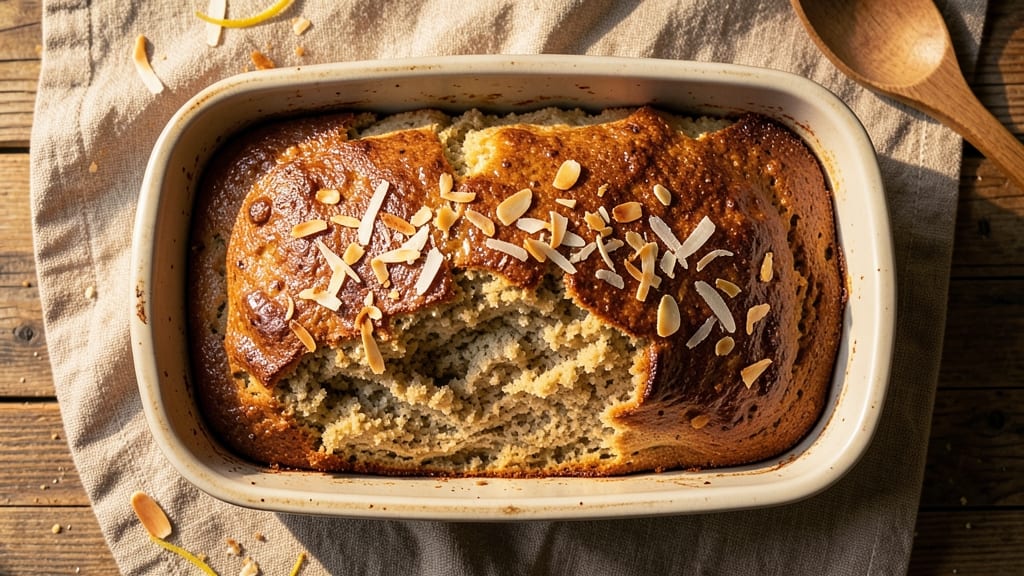
This almond flour and coconut flour bread recipe delivers a grain-free loaf with a light, airy crumb and satisfying crust—perfect for those avoiding gluten or traditional wheat.
The secret lies in balancing these two flours: almond flour adds richness and structure, while coconut flour absorbs moisture efficiently, creating a tender yet sturdy crumb. I developed this recipe after years of experimenting with vegan baking, ensuring it rises properly without eggs or dairy while maintaining a satisfying texture.
The beauty of this recipe is its versatility—it works as toast, sandwich bread, or even French toast when dipped in a plant-based custard. The blend of flours creates a naturally sweet, nutty flavor that pairs beautifully with spreads like almond butter or avocado.
Unlike dense gluten-free breads, this loaf stays light and fluffy thanks to a careful balance of leavening agents and hydration.
Baking time is just 45 minutes, and the process is straightforward: mix, fold, rest, and bake. The result is a loaf with a golden crust and a crumb that’s soft yet sturdy enough to hold up to your favorite fillings.
Whether you're following a grain-free diet or simply curious about nut-based baking, this recipe proves you don’t need wheat to enjoy a satisfying loaf of bread.
Store leftovers in an airtight container for up to 5 days, or freeze slices for quick toast. Pair with soups, use for sandwiches, or enjoy it plain—this bread is a game-changer for anyone seeking a nutrient-dense, gluten-free alternative. Let’s get baking!
Ingredients for almond flour and coconut flour bread
Eight ingredients, zero gluten—this bread delivers a light, airy crumb with a satisfying crust every time.
| Ingredient | Amount | Notes |
|---|---|---|
| Almond Flour 🌰 | 2 ½ cups | Finely ground, unsweetened |
| Coconut Flour 🥥 | ½ cup | Unsweetened, sifted first |
| Tapioca Flour 🌾 | ¼ cup | For elasticity and rise |
| Psyllium Husk Powder 🌿 | 1 tbsp | Essential for structure |
| Baking Powder 🍞 | 1 ½ tsp | Aluminum-free preferred |
| Salt 🧂 | ½ tsp | Fine sea salt |
| Sugar 🍯 | ¼ cup | Coconut sugar or maple syrup |
| Flaxseed Meal 🌾 | 2 tbsp | For egg substitute |
| Water 💧 | ¾ cup | Room temperature |
| Apple Cider Vinegar 🍏 | 1 tbsp | Activates leavening |
| Olive Oil 🫒 | ¼ cup | Extra-virgin for richness |
| Vanilla Extract 🌸 | 1 tsp | Pure, alcohol-free |
The almond flour is the star here—Bob’s Red Mill or Anthony’s Goods are my go-tos for consistent texture. Coconut flour absorbs moisture like crazy, so sifting it first prevents clumps. Psyllium husk might sound weird, but trust me—it’s what keeps this loaf from crumbling like sad gluten-free breads of the past. For the flaxseed meal, ground flaxseeds work too, but pre-made saves time. Grab unsweetened coconut flour—sweetened will throw off the balance. And the psyllium? Bob’s Red Mill sells it in bulk if you’re baking often.
No psyllium husk? Chia seeds soaked in water (1 tbsp chia + 3 tbsp water = 1 tbsp psyllium) gets you close. Running low on almond flour? Cashew flour works too, but the flavor shifts slightly. The apple cider vinegar activates the baking powder—white vinegar in a pinch. No vanilla? Almond extract at half the amount adds a nice depth. The olive oil matters here—extra-virgin gives the best flavor, but any neutral oil works. And if you’re curious, the tapioca flour is what keeps this bread from being dense—don’t skip it.
Mix everything except water first, then fold in the wet ingredients. The dough will be thick—don’t overmix. Let it rest for 20 minutes before baking. This bread keeps well for 5 days in an airtight container, but it’s best fresh. Freeze slices for quick toast—toast straight from frozen. The crust gets crispier the second day, so plan ahead. Store leftovers in the fridge, and pop them in the toaster for that perfect crunch.
Why You'll Love This Recipe
- No-Fuss Mixing: I swear by the psyllium husk powder—it’s the secret to a bread that doesn’t need kneading or waiting around. Just toss everything in a bowl, add warm water, stir, and let it sit while you make coffee.
- Nutty-Creamy Crunch: The almond flour gives it that rich, buttery depth, while the coconut flour adds a subtle toasted warmth. Honestly, it’s the kind of bread that makes regular sandwiches feel boring.
- Meal Prep MVP: Slices perfectly for toast, wraps, or French toast—no crumbs, no mess. I keep a loaf in the fridge all week, and it’s still fresh enough to toast up for lunch or pack in kids’ lunches.
- Budget-Friendly Staple: Uses pantry staples you already own (or can buy in bulk). Between us, this bread costs less than half of fancy artisanal loaves, and it lasts longer because it doesn’t dry out. Win-win.
Step-by-step instructions for grain-free almond-coconut bread
This bread rises beautifully and develops a satisfying crust—here's how to bake it perfectly every time.
Mix Dry Ingredients Thoroughly
In a large mixing bowl, combine the 2.5 cups almond flour, 0.5 cup coconut flour, 0.25 cup tapioca flour, 1 tbsp psyllium husk powder, 1.5 tsp baking powder, and 0.5 tsp salt. Use a whisk to break up any lumps in the coconut flour first—this ensures even distribution throughout the batter. The psyllium husk powder is crucial here; it creates that signature grain-free structure and rise.
Next, add the 0.25 cup sugar and 1 tsp vanilla extract to the dry mixture. Gently stir these ingredients in until fully incorporated. The sugar will help caramelize slightly during baking, giving the crust its characteristic golden hue. Keep the bowl nearby—we'll be adding wet ingredients next.
Prepare the Flax Egg and Combine Wet Ingredients
In a separate small bowl, whisk together the 2 tbsp flaxseed meal and 0.75 cup water. Let this mixture sit for 5 minutes—it will thicken into a gel-like consistency that mimics eggs. This is your binding agent, so don't skip the waiting time.
In another bowl, combine the 0.25 cup olive oil, 1 tbsp apple cider vinegar, and the thickened flax egg. The vinegar activates the baking powder later, creating lift. Mix these wet ingredients until they're completely homogeneous—the oil should be fully emulsified with the vinegar and flax mixture.
Combine Wet and Dry Ingredients Gently
Pour the wet ingredients into the dry ingredients bowl and stir with a spatula until just combined. You'll notice the batter will be thick and sticky—this is normal. Overmixing can develop gluten-like properties in the almond flour, so stop stirring once everything is incorporated. The batter should hold its shape when you lift the spatula.
Here's the thing—this dough won't behave like traditional wheat flour dough. It's more like a thick batter. Let it rest for 10 minutes at room temperature. This allows the psyllium husk to fully hydrate and the baking powder to begin activating, ensuring maximum rise in the oven.
Prepare the Loaf Pan and Bake
Preheat your oven to 350°F and lightly grease a 9x5-inch loaf pan with olive oil or line it with parchment paper. The paper makes removal easier, but either method works well. Pour the rested batter into the prepared pan and smooth the top with a spatula—this prevents uneven rising.
Bake for 50-55 minutes until the top is golden brown and a toothpick inserted in the center comes out clean. The bread should spring back slightly when pressed gently. I've found that removing it from the oven when the edges are just starting to pull away from the pan gives the best texture—crisp outside, tender inside.
Cool and Slice for Perfect Texture
Let the bread cool in the pan for 10 minutes before transferring it to a wire rack. This gradual cooling prevents cracking. The bread will be quite dense when warm but will develop its characteristic light, airy crumb as it cools completely.
Slice with a serrated knife while still slightly warm for cleaner cuts. Each slice should have a crisp crust and a moist, tender interior. Store wrapped at room temperature for up to 3 days or freeze for longer storage. The flavor actually improves slightly over time as the crumb softens further.
Pro Tips For Making Almond Flour And Coconut Flour Bread
- Mix the Psyllium Early: I learned this the hard way—adding psyllium husk powder last makes it clump like cement. Whisk it into your wet ingredients first, then fold in the dry mix. That way, it absorbs liquid evenly and binds the dough smoothly without turning it into a brick.
- Weigh Your Coconut Flour: Scooping coconut flour straight from the bag is a disaster—it’s too dense, and you’ll end up with a dry, crumbly mess. Use a kitchen scale for precision; 1 cup of coconut flour weighs about 120 grams. Trust me, your bread will thank you for the extra moisture.
- Steam the First 10 Minutes: This isn’t a regular loaf—it needs help rising. Place a metal tray on the oven rack below your bread pan and pour boiling water into it before baking. The steam keeps the crust from forming too fast, giving the crumb time to develop properly.
- Skip the Overmixing: Almond flour releases oil when worked, and once you start overmixing, the dough turns greasy and dense. Stir just until the dry ingredients disappear—about 20 seconds. Any more, and you’ll regret it when your bread collapses.
Health benefits of this recipe
Protein-Packed Power
This bread is a protein superstar with 12 grams of protein per slice—mostly from the almond flour. That’s more than many traditional wheat breads! Almonds are rich in arginine, an amino acid that supports heart health and muscle repair.
Plus, the coconut flour adds fiber (about 5 grams per serving), helping keep you full and satisfied. 💪
Low-Carb, Keto-Friendly
With only 4 net carbs per slice, this bread fits perfectly into low-carb or keto diets. The almond and coconut flours create a naturally sweet, nutty flavor without spiking blood sugar. I’ve used this bread for keto-friendly French toast with a sugar-free custard—it’s a game-changer for carb-conscious eaters.
Rich in Healthy Fats
The almond flour provides monounsaturated fats, the same heart-healthy fats found in olive oil. These fats help lower bad cholesterol (LDL) while keeping good cholesterol (HDL) in check. The olive oil in the recipe adds extra richness, making every bite satisfying without the guilt. 🫒
Gluten-Free and Digestive-Friendly
Free from gluten, this bread is ideal for those with celiac disease or gluten sensitivity. The psyllium husk and tapioca flour work together to create a digestive-friendly texture that’s gentle on the stomach.
Many gluten-free breads can be dense or gummy, but this one stays light and easy to digest.
Antioxidant Boost
Almonds are packed with vitamin E, a powerful antioxidant that protects cells from damage. Coconut flour also contains medium-chain triglycerides (MCTs), which support brain function and energy levels. Together, they create a bread that’s not just delicious but also nourishing for your body.
Blood Sugar Balanced
The combination of low glycemic index flours and fiber helps stabilize blood sugar levels. Unlike refined white bread, which causes spikes, this bread keeps energy levels steady—perfect for diabetics or anyone monitoring blood sugar. I’ve noticed my energy stays consistent when I eat this bread compared to traditional options. ✨
Nutrition facts
Frequently asked questions
Why does this bread need both almond and coconut flour?
Almond flour provides structure and richness, while coconut flour adds fiber and absorbs moisture efficiently. Together, they create a light, airy crumb that's impossible with either flour alone. The almond flour gives body, while coconut flour prevents gumminess—it’s a perfect balance for texture and nutrition.
Can I make this bread without psyllium husk?
Yes, but the texture will be different. Replace 1 tbsp psyllium husk with 1 tbsp chia seeds soaked in 3 tbsp water for 5 minutes. The bread will still rise but may be slightly denser. Psyllium is key for that signature grain-free structure, so use it if possible.
How do I prevent the bread from cracking?
Let the batter rest for 10-15 minutes before baking, and avoid overmixing. Tap the pan gently on the counter 2-3 times before baking to release air bubbles. Also, cool the bread in the pan for 10 minutes before removing—this gradual cooling prevents cracks.
Is this bread suitable for keto or low-carb diets?
With only 4 net carbs per slice, it fits perfectly into keto or low-carb lifestyles. The almond and coconut flours create a naturally sweet, nutty flavor without spiking blood sugar. Try it for keto-friendly French toast with a sugar-free custard!
Why does my bread taste bitter?
Bitter flavor usually comes from overbaking or using old almond flour. Bake until the top is golden brown (not dark), and store almond flour in the freezer to preserve freshness. If needed, add ½ tsp vanilla extract or a pinch of cinnamon to balance flavors.