
Side Dishes
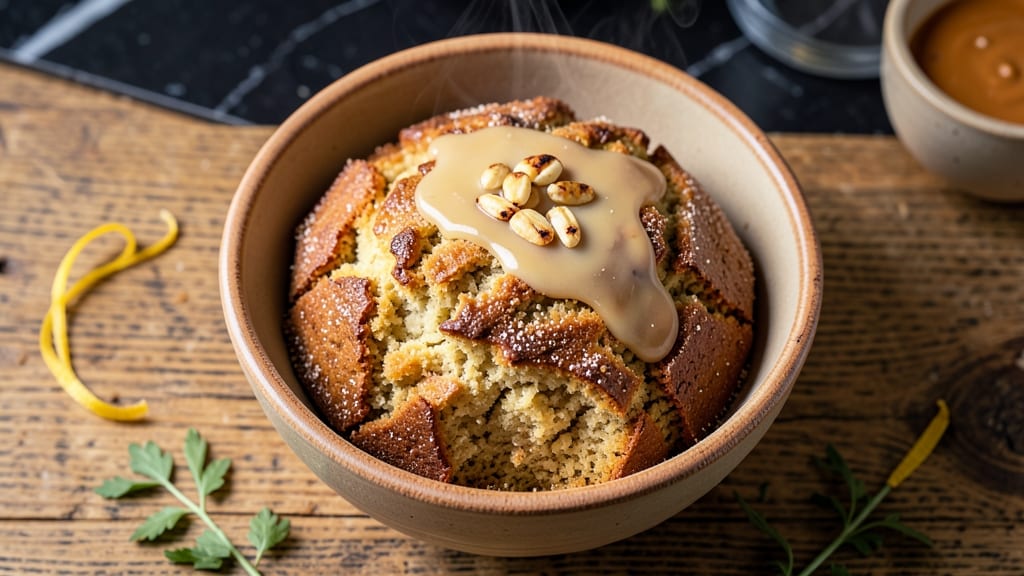
This almond flour cornbread recipe delivers the perfect balance of nutty richness and classic cornbread texture—without the gluten or refined grains. The secret lies in a simple foil-sealing technique that locks in moisture while creating a crispy, golden crust.
After years of perfecting grain-free baking, I've finally cracked the code for a cornbread that's tender inside, crispy outside, and packed with nutty depth from almond flour.
The beauty of this recipe is its versatility—it's naturally vegetarian, gluten-free, and requires just 10 minutes of prep work before baking. The almond flour adds a delicate crunch and subtle sweetness that complements the traditional cornbread flavor, while the foil-sealing method ensures every bite stays moist.
Perfect for serving alongside soups, chili, or as a simple side dish, this cornbread transforms any meal into something special.
What makes this recipe truly stand out is how it achieves that foil-sealed crunch without drying out. The high heat of a 350°F oven combined with the foil's steam creates a texture that's crispy on the edges and tender in the center—just like grandma's cornbread, but with a nutty twist.
The result is a loaf that's impossible to resist, with a golden crust that gives way to a soft, moist interior.
Whether you're looking for a gluten-free option or simply want to try almond flour in a classic recipe, this cornbread delivers. It's the ideal side dish for any meal, and the best part? It's simple enough to make on a weeknight but impressive enough for company. Let's get baking!
Ingredients for almond flour corn bread
Nutty almond flour meets classic cornbread—this gluten-free loaf delivers golden crust and moist crumb without a crumb of gluten.
| Ingredient | Amount | Notes |
|---|---|---|
| Almond Flour 🥜 | 2 cups | Finely ground, unsweetened |
| Fine Cornmeal 🌽 | 1 cup | Stone-ground preferred |
| Large Eggs 🥚 | 4 whole | Room temperature for blending |
| Unsweetened Almond Milk 🥛 | 1 ½ cups | Vanilla or plain, unsweetened |
| Melted Butter 🧈 | ½ cup | Unsalted, fully melted |
| Granulated Sweetener 🍯 | ¼ cup | Coconut sugar or monk fruit |
| Baking Powder 🍞 | 2 tsp | Aluminum-free preferred |
| Salt 🧂 | ½ tsp | Fine sea salt preferred |
| Vanilla Extract 🌿 | 1 tsp | Pure, high-quality extract |
| Heavy Cream 🥛 | ¼ cup | Whisked until slightly thickened |
| Aluminum Foil 📄 | 1 sheet | 12x12 inches for sealing |
The almond flour is where the magic happens—Bob's Red Mill or Anthony's Goods are my go-tos for ultra-fine grind. If you can't find fine cornmeal, stone-ground grits work in a pinch, but the texture won't be quite the same. Eggs should be room temp (no cold, sticky batter here). For the sweetener, coconut sugar adds caramel notes, while monk fruit keeps it zero-sugar. The baking powder is non-negotiable—aluminum-free ensures no metallic aftertaste. Vanilla extract? Pure, nothing imitation—this isn't the time for shortcuts.
No almond milk? Coconut milk or oat milk both work, but the texture gets slightly denser. Heavy cream can be swapped for full-fat coconut cream, though it adds a coconut flavor. Short on baking powder? Double the amount of baking soda plus 1/4 tsp cream of tartar mimics it. For extra richness, fold in 2 tbsp tahini with the wet ingredients—trust me, it elevates everything. The foil sealing is key: use heavy-duty foil to prevent tearing during baking. Don't skip the whisking of the heavy cream—it adds lightness that regular milk can't match.
This cornbread keeps beautifully—3 days at room temp wrapped in foil, or 1 week refrigerated in an airtight container. For reheating, wrap a slice in foil and warm in a 350°F oven for 5 minutes. Freezes like a dream: 3 months wrapped tightly. Pro tip: Bake an extra loaf. The second day is even better as the flavors meld. Store leftovers in parchment-lined containers to prevent drying.
Why You'll Love This Recipe
- No Mixer Needed: I swear by this recipe when I’m too tired to measure or don’t own a mixer. Just toss the almond flour, cornmeal, and eggs in a bowl—no sifting, no overworking. The batter’s thick but forgiving, and it comes together faster than I can boil water.
- Nutty-Sweet Crunch: That combo of almond flour and fine cornmeal? It’s like a cross between a biscuit and a shortbread cookie—warm, slightly sweet, with a satisfying crunch that disappears the second you take a bite. Honestly, I’ve made it plain and with add-ins, but the base flavor is already dangerously good.
- Weeknight or Weekend: This bread is my go-to for breakfast, brunch, or even a light dinner. Serve it with chili for dipping, slather it in honey for a quick snack, or pair it with scrambled eggs when I’m in a rush. It reheats beautifully, too—just pop slices in the toaster and watch everyone reach for seconds.
- Budget-Friendly Staple: Almond flour might sound pricey, but a little goes a long way here. I stretch it by adding cornmeal, and the eggs and almond milk keep costs low. Plus, the leftovers last for days—freeze slices and toast them straight from the freezer when you’re too lazy to bake.
Step-by-step instructions for almond flour cornbread
Here's how to achieve that perfect balance of nutty richness and crispy edges with this foolproof method.
Whisk Wet Ingredients to a Smooth Batter
In a large mixing bowl, combine the 1.5 cups unsweetened almond milk, 0.5 cup melted butter, 0.25 cup granulated sweetener, and 1 tsp vanilla extract. Whisk vigorously for 1-2 minutes until the sweetener fully dissolves and the mixture becomes completely smooth. This step ensures even distribution of flavor and prevents grainy texture later.
Next, add the 4 whole large eggs and 0.25 cup heavy cream to the wet mixture. Whisk continuously for another 2 minutes until the eggs are fully incorporated and the batter thickens slightly. You'll notice the batter become lighter in color and slightly frothy—this indicates proper aeration, which is crucial for that tender crumb we're after.
Combine Dry Ingredients and Fold Gently
In a separate bowl, whisk together the 2 cups almond flour, 1 cup fine cornmeal, 2 tsp baking powder, and 0.5 tsp salt. Sift the dry ingredients through a fine-mesh sieve directly into the bowl to prevent clumping. The cornmeal should be stone-ground if possible—this creates that authentic corn bread texture we're aiming for.
Gradually pour the dry mixture into the wet ingredients while folding gently with a spatula. Mix just until combined—you should still see some dry flour streaks. Overmixing develops gluten and can make the cornbread dense. The ideal consistency is thick but pourable, similar to heavy pancake batter. If it's too thick, add 1-2 tablespoons of almond milk to reach the perfect consistency.
Preheat and Prepare the Foil-Lined Pan
Preheat your oven to 350°F. Cut a 12x12-inch sheet of aluminum foil and place it on a baking sheet. Lightly grease the foil with a bit of melted butter or spray with baking spray to prevent sticking. This foil lining creates that signature crispy crust while keeping the interior moist—exactly what we want.
Pour the batter onto the prepared foil, spreading it evenly into a 9-inch square (about ½-inch thick). Tap the pan gently on the counter to release any air bubbles. The edges should be slightly thicker than the center—this helps create that beautiful crust. Here's the thing—don't worry if it looks uneven. The foil sealing will help create that perfect texture.
Bake with Foil Seal for Moisture Lock
Place the foil-covered cornbread in the preheated oven and bake for 25 minutes. At this point, the edges should be starting to set while the center remains slightly underdone. This is where the foil magic happens—it traps steam and creates that moist interior we're after.
After 25 minutes, carefully remove the cornbread from the oven and peel back about half of the foil from the top. Return it to the oven and bake for another 10-12 minutes until the top is golden brown and the edges are crispy. The center should still feel slightly soft when pressed—this indicates perfect moisture retention. If you're unsure, check with a toothpick inserted in the center. It should come out with a few moist crumbs but no wet batter.
Rest and Serve for Maximum Texture
Remove the cornbread from the oven and let it rest on a wire rack for 10 minutes. This resting period allows the internal heat to distribute evenly and prevents the bottom from becoming soggy. The foil can stay on during resting—it helps maintain that crispy texture while cooling.
Before serving, carefully peel away any remaining foil. The cornbread should have a beautiful golden crust on top and crispy edges on the sides. Cut into 8 equal squares and serve warm. The texture should be tender in the center with a slight crunch at the edges, and the flavor should be a perfect balance of nutty almond and sweet corn. Here's the secret to serving—pair it with honey butter or a dollop of whipped cream to enhance those flavors even more.
Pro Tips For Making Almond Flour Corn Bread
- Preheat Pan to Smoking Hot: Cast iron or heavy skillet needs to be screaming hot—think 450°F or higher—before adding the batter. I used to underheat it, and the bread would steam instead of crisp. Now I wait until I see a fine mist of water evaporate when I splash a drop of water on the pan. That’s your cue.
- Whisk Eggs Until Ribbon-Thick: Don’t just crack and stir the eggs—whisk them until they form a slow, thick ribbon when you lift the whisk. This ensures the almond flour and cornmeal get fully coated, so your bread doesn’t turn out dense or greasy. I learned this the hard way after a batch that tasted like raw flour.
- Skip the Overmixing Trap: Once you fold in the almond milk, stop mixing after 10-12 strokes. Overworking the batter develops gluten (which almond flour lacks), making the texture gummy instead of tender. The batter will look shaggy—that’s normal, and it’s what you want.
- Baste the Top Early: About 8 minutes into baking, spoon melted butter over the top of the bread. This mimics traditional corn bread’s golden crust while keeping the crumb moist. I was skeptical until I tried it—now it’s non-negotiable for that restaurant-quality finish.
Troubleshooting this recipe
Dense or Gummy Texture
If your almond flour cornbread turns out dense or gummy, the issue is likely overmixing or insufficient baking time. The almond flour absorbs moisture differently than traditional flour—whisk just until combined to avoid developing gluten.
For extra insurance, bake an additional 5 minutes if the center feels underdone. I've found that using room-temperature eggs and whisking the heavy cream to slightly thicken prevents a gummy texture. 💡
Dry or Crumbly Crust
A dry crust usually means the oven temperature wasn't hot enough or the cornbread baked too long. Always preheat your oven for 15 minutes before baking, and use an oven thermometer to confirm it's at 350°F.
For extra crispiness, brush the edges with melted butter after the first 20 minutes of baking. If your cornbread still feels dry, try increasing the heavy cream to ¼ cup plus 1 tablespoon next time. The foil sealing helps, but butter is key for that golden crust.
Uneven Baking
Uneven baking often happens when the cornbread batter isn't spread evenly or the oven temperature fluctuates. Pour the batter into a 9-inch square pan and spread it to ½-inch thickness, tapping the pan gently to release air bubbles. For ovens with hot spots, rotate the pan halfway through baking.
I like to place my cornbread on the middle rack—this ensures even heat distribution. If your oven runs hot, reduce the temperature to 325°F for the second half of baking.
Foil Not Crisping Edges
The foil sealing technique should create crispy edges, but if they stay soft, the issue is likely insufficient heat exposure. After the initial 25 minutes of baking, peel back only half the foil—this allows the top to brown while keeping the center moist.
For extra crunch, try baking on the top rack for the final 5 minutes with the foil completely removed. A light spray of olive oil on the foil before adding the batter also helps create that perfect crust.
Batter Too Thick or Thin
If your batter is too thick, it won't spread evenly, while a thin batter can lead to a flat, dense cornbread. The ideal consistency is like heavy pancake batter—thick but pourable.
If your batter is too thick, add 1-2 tablespoons of almond milk at a time until it reaches the right consistency. For thin batter, whisk in 1 tablespoon of almond flour until it thickens.
I always check consistency by lifting the spatula—if the batter holds a peak for a few seconds, it's ready. 🥜
Almond Flour Clumping
Almond flour clumps easily, which can lead to an uneven texture. Always sift the almond flour through a fine-mesh sieve before mixing, and use finely ground almond flour (like Bob's Red Mill) for the best results. If clumps form during mixing, gently fold them out with a spatula.
For extra smoothness, I sometimes blend the almond flour in a food processor for 10 seconds before measuring. This ensures a silky texture in your final cornbread.
Nutrition facts
Frequently asked questions
Why does this cornbread use almond flour instead of regular flour?
Almond flour creates a naturally gluten-free, low-carb base that adds rich nutty flavor and a tender crumb. Unlike traditional flour, it absorbs moisture differently, which is why this recipe relies on the foil-sealing technique to keep the texture perfectly moist. The result is a lighter, more delicate cornbread with a subtle sweetness from the almonds.
Can I make this cornbread without heavy cream?
Yes! Substitute with ¼ cup full-fat coconut cream (chilled overnight) or ¼ cup Greek yogurt for tangy depth. The heavy cream adds lightness, but these alternatives work well. For a dairy-free option, use ¼ cup unsweetened coconut milk plus 1 tbsp melted coconut oil to maintain moisture.
How do I store leftovers to keep them fresh?
Wrap cooled cornbread tightly in aluminum foil and store at room temperature for 2 days, or refrigerate for 5 days in an airtight container. For longer storage, freeze slices wrapped in parchment paper for up to 3 months. To reheat, wrap a slice in foil and warm at 350°F for 5 minutes—this restores the crispy edges!
What's the best way to serve this almond flour cornbread?
This cornbread pairs perfectly with soups, chili, or grilled meats—its nutty flavor stands up to hearty dishes. For dessert, drizzle with honey butter or serve with whipped cream. The foil-sealed crust adds a satisfying crunch, making it great as a side or even a breakfast treat with scrambled eggs.
Can I add cheese or jalapeños to this recipe?
Fold in ½ cup shredded cheddar or ¼ cup diced jalapeños with the dry ingredients. For melted cheese, reduce the almond milk by 2 tbsp to maintain consistency. The foil-sealing method works perfectly with add-ins—just be mindful of oven temperature (reduce to 325°F if adding cheese to prevent over-browning).