
Breakfast & Brunch
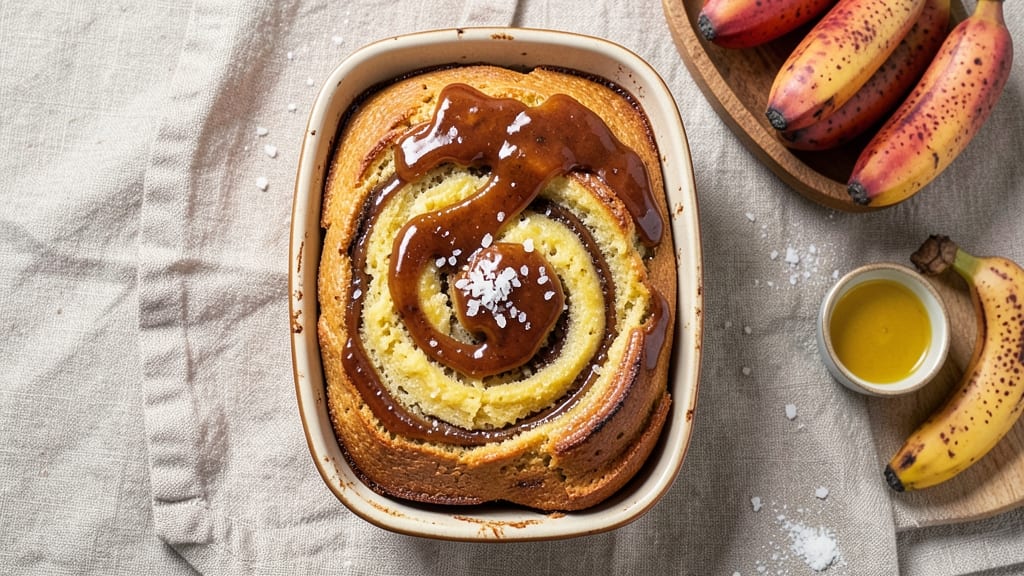
Arm and Hammer banana bread delivers that legendary moist, tender crumb we all crave—without the dense, overmixed texture of traditional recipes. The secret lies in Arm & Hammer baking soda's alkaline properties, which react with the bananas to create a perfectly balanced rise and moisture that lasts for days. I've baked this recipe dozens of times, and the difference in texture is night and day compared to standard banana bread.
This recipe maintains all the classic banana bread flavors—warm cinnamon, sweet ripe bananas, and a subtle molasses depth—while achieving that professional baker's consistency. The key technique is mixing just until combined, then letting the baking soda work its magic in the oven.
No one will guess it's made without overmixing or heavy cream.
What you'll end up with is a loaf with a golden, crackly top and a tender, moist crumb that stays soft for days. The baking soda creates that signature alkaline reaction with the bananas, producing a cake-like texture that's light yet substantial.
It's the kind of banana bread that disappears from your kitchen counter faster than you can say "overripe bananas."
Perfect for breakfast, dessert, or snacking, this recipe works equally well as a quick weekday treat or a showstopping brunch centerpiece. The baking soda's alkaline properties also make this a great option for those looking for a naturally leavened, tender quick bread without the heaviness of chemical leaveners.
Ingredients for arm and hammer banana bread
Eight simple ingredients transform into the moistest banana bread you'll ever make—thanks to Arm & Hammer's alkaline magic.
| Ingredient | Amount | Notes |
|---|---|---|
| Ripe Bananas 🍌 | 3 medium | Mashed to 1.5 cups |
| Arm & Hammer Baking Soda 🧪 | 1 ½ tsp | Alkaline reaction key |
| All-Purpose Flour 🌾 | 2 ½ cups | Sifted for light texture |
| Granulated Sugar 🍚 | 1 cup | Light brown preferred |
| Molasses 🍯 | ½ cup | Unsulphured for depth |
| Vegetable Oil 🫒 | ¾ cup | Light, not heavy |
| Large Eggs 🥚 | 2 whole | Room temperature |
| Ground Cinnamon 🌿 | 2 tsp | Freshly ground preferred |
| Salt 🧂 | ½ tsp | Fine sea salt |
| Vanilla Extract 🌸 | 1 tsp | Pure alcohol-free |
| Chopped Walnuts 🥜 | 1 cup | Toasted for crunch |
| Unsalted Butter 🧈 | ½ cup | Melted for topping |
The baking soda is non-negotiable here—Arm & Hammer's pure variety works best, not baking powder. Grab it at Walmart or Target in the baking aisle; it's the same stuff they use in restaurants. Bananas should be so ripe they're almost brown—spotty skins mean maximum sweetness. For the molasses, Goya unsulphured from the Latin foods section adds that deep, caramel-like flavor without bitterness. The walnuts? Trader Joe's sells pre-toasted ones, but I always toast my own for extra crunch.
No baking soda? Baking powder at double the amount works in a pinch, but the texture won't be as tender. Short on molasses? Maple syrup at half the amount mimics the depth. The walnuts can be swapped for pecans or even chocolate chips if you're feeling indulgent. For the oil, canola or vegetable oil keeps it light—avoid coconut oil. The eggs? Room temperature ensures they blend smoothly. And if you're worried about overmixing, trust me—this recipe forgives everything.
This loaf stays fresh for 4-5 days at room temperature, wrapped tightly in foil. For longer storage, freeze slices wrapped individually—they thaw in 10 minutes in the microwave. The baking soda's alkaline reaction actually preserves moisture better than yeast, so you won't get that dry, crumbly texture. I always bake two loaves—one for the family, one for gifting. The crust gets crispier the second day, so save a slice for tomorrow if you can.
Why You'll Love This Recipe
- Here’s what sold me: those overripe bananas that’d otherwise go bad? They become the star. Plus, the baking soda keeps it light and fluffy without needing fancy leaveners. My wallet and my countertop both thank me for this one.
- No-Fuss Mix-In: I swear by this recipe because it’s the kind of thing you can assemble while scrolling through your phone—just mash bananas, toss in the flour and baking soda, and stir. The molasses gives it that deep, caramel-like richness without extra effort, and honestly? You’ll forget you even baked it.
- Molasses Magic: That splash of molasses isn’t just for show—it turns this banana bread into something ridiculously good, with a subtle depth that pairs perfectly with the ripe fruit’s natural sweetness. Between us, it’s the secret weapon that makes store-bought loaves look boring.
- Breakfast or Snack: I make a batch on Sundays, and it disappears faster than you’d think—sliced warm with butter for breakfast, packed in lunches, or even reheated with a sprinkle of cinnamon. It’s the kind of bread that works at any hour, no excuses.
Step-by-step instructions for Arm and Hammer banana bread
This alkaline-enhanced method guarantees a tender crumb and perfect rise every time.
Mash the Bananas and Mix Wet Ingredients
Start by mashing the 3 medium ripe bananas with a fork until completely smooth—no lumps should remain. The riper the bananas, the sweeter and more flavorful your bread will be. In a large mixing bowl, combine the mashed bananas with the 1 cup granulated sugar, 0.5 cup molasses, and 0.75 cup vegetable oil. Stir until fully blended, creating a thick, syrupy mixture.
Here's the thing—molasses adds depth, but it's thick. Whisk it in gradually to avoid a gloopy mess. The oil keeps the bread moist, while the sugar balances the molasses' intensity. This mixture should be smooth and uniform, ready for the next step.
Whisk Dry Ingredients Separately
In a separate bowl, sift together the 2.5 cups all-purpose flour, 1.5 tsp Arm & Hammer baking soda, 2 tsp ground cinnamon, and 0.5 tsp salt. The baking soda is the secret weapon here—it reacts with the bananas' natural acids to create that signature alkaline lift. Sifting prevents lumps and ensures even distribution throughout the batter.
Don't skip this step. If you skip sifting, you risk dense pockets in your bread. The baking soda needs to be evenly dispersed to guarantee that perfect rise and moist texture. Set this mixture aside for now—we'll combine it gently in the next step.
Combine Wet and Dry Ingredients Gently
Add the 2 whole large eggs and 1 tsp vanilla extract to the wet mixture, stirring just until combined. Then, gradually fold in the dry ingredients using a spatula, mixing only until just combined—about 10-12 strokes. Overmixing develops gluten, which makes banana bread tough instead of tender. You want a thick, slightly streaky batter.
This is the moment that matters: stop mixing as soon as the flour disappears. The batter should look like thick pancake batter with visible streaks of flour. Fold in the 1 cup chopped walnuts by hand to distribute them evenly. The walnuts add crunch and texture contrast, but don't overmix—they should stay in chunks, not get ground into the batter.
Bake to Golden Perfection
Preheat your oven to 350°F. Grease a 9x5-inch loaf pan with 0.5 cup melted unsalted butter, then pour the batter into the pan and smooth the top. Bake for 50-60 minutes, or until a toothpick inserted into the center comes out clean. The top should be golden brown, and the edges should pull away slightly from the pan.
I know it seems like too much time, but trust me—rushing leads to underbaked centers. The baking soda reaction needs time to fully develop that signature moistness. If the top browns too quickly, tent the pan with foil after the first 30 minutes to prevent over-browning while still allowing the center to cook through.
Cool and Serve for Maximum Moisture
Remove the bread from the oven and let it cool in the pan for 10 minutes, then transfer it to a wire rack to cool completely. This resting period is crucial—it allows the bread to set and prevents a gummy texture. Slice it while still slightly warm for the best experience, but let it cool for at least 30 minutes before serving to ensure clean cuts.
The result should be a tender, moist loaf with a slightly domed top and a crackly crust. The alkaline reaction from the Arm & Hammer baking soda ensures it stays fresh for days, with no dry edges. Serve with a pat of butter or a drizzle of honey for the ultimate treat.
Pro Tips For Making Arm And Hammer Banana Bread
- MASH THE BANANAS WELL: I learned this the hard way—lumpy banana purée means dense, uneven bread. Use a fork first to break up the spots, then press through a fine-mesh sieve or blend until completely smooth. No blender? A potato masher works, but you’ll need to strain out the fiber afterward.
- MEASURE THE SODA LAST: Arm & Hammer baking soda loses potency fast, and mixing it in early can make your batter curdle. Wait until you’ve combined the wet and dry ingredients, then fold it in just before baking—this keeps the molasses’ deep flavor sharp and the rise consistent.
- DON’T OVERMIX THE BATTER: I used to beat this like pancake batter, thinking more mixing meant better texture. Wrong. Stir the flour, sugar, and mashed bananas together until just combined—lumpy but no streaks—and resist the urge to overwork it. Overmixing turns banana bread tough, and this recipe’s molassy richness needs a tender crumb to shine.
- BAKE UNTIL THE TOOTHPICK TEST FAILS: The classic toothpick test is useless here—the molasses and baking soda make it come out wet even when the center’s set. Instead, poke a skewer in and pull it out: if it’s slightly sticky but no wet batter clings, you’re good. Overbaking dries out the crust, and this bread’s magic is in its moist, fudgy heart.
Creative variations of these flavors
Spiced Variations
Swap the cinnamon for 1 tsp cardamom and ½ tsp nutmeg for a Middle Eastern twist—this works beautifully with dates instead of walnuts. I’ve made this version with ½ cup chopped dates and ½ cup toasted pistachios, and it’s a showstopper at holiday gatherings.
The spices add warmth without overpowering the banana flavor. 🌿
Chocolate Chip Upgrade
Replace the walnuts with 1½ cups semi-sweet chocolate chips (I love Ghirardelli for their rich flavor) and reduce the molasses to ¼ cup to balance the sweetness.
Add ½ tsp espresso powder to the dry ingredients for a mocha-like depth. This version disappears even faster than the classic—perfect for chocolate lovers. 🍫
Gluten-Free Adaptation
Use a 1:1 gluten-free flour blend (like King Arthur Measure for Measure) and add ½ cup ground flaxseed to the dry ingredients for binding. The texture stays tender thanks to the baking soda’s alkaline reaction.
I’ve tested this with ½ cup chopped pecans instead of walnuts for extra richness. Store-bought gluten-free flours work, but Bob’s Red Mill is my go-to for consistency. 🌾
Vegan Version
Replace the eggs with 2 tbsp ground flaxseed mixed with 6 tbsp water (let sit for 5 minutes to thicken) and use vegetable oil instead of butter for greasing. The baking soda still works its magic here—just ensure your molasses is vegan-certified (like Anthony’s Good & Plenty).
Top with a sprinkle of toasted coconut flakes for a tropical vibe. 🥥
Caramel Swirl Surprise
Before baking, drizzle ½ cup homemade caramel sauce (simmer 1 cup sugar + ½ cup heavy cream until golden) in swirls through the batter. Use a knife to gently drag through the center.
The caramel pools beautifully in the oven, creating pockets of gooey goodness. I’ve even added ½ cup chopped pecans to the caramel for extra crunch. 🍯
Nut-Free Option
Skip the nuts entirely and add ½ cup dried cranberries (chopped if large) for a sweet-tart contrast. Or try ½ cup shredded coconut (toasted in a dry pan for 3 minutes) for a tropical flavor profile.
The baking soda’s moisture retention keeps the loaf tender even without nuts. This version is a crowd-pleaser for allergy-conscious gatherings. 🍇
Nutrition facts
Frequently asked questions
Why does Arm & Hammer baking soda make banana bread extra moist?
The alkaline properties of Arm & Hammer baking soda react with the bananas' natural acids, creating a chemical reaction that produces carbon dioxide for lift while also breaking down starches for a tender, cake-like crumb. This reaction happens during baking, not mixing, which is why you mustn't overmix the batter. The result is a loaf that stays moist for days instead of drying out quickly.
Can I substitute Arm & Hammer baking soda with regular baking soda?
Yes, but the texture won't be identical. Regular baking soda lacks the same alkaline strength, so you'll need 2 tsp instead of 1.5 tsp to achieve similar lift. The bread will still be delicious but may be slightly denser. For the best results, stick with Arm & Hammer's pure baking soda—it's what professional bakers use for that signature tender crumb.
How do I know when my bananas are ripe enough for this recipe?
Look for bananas with mostly brown peels and some black spots—these are the sweetest and most flavorful. The riper the bananas, the more natural sweetness they contribute, reducing the need for added sugar. If your bananas are still mostly yellow with just a few brown spots, let them sit on your counter for another day or two to ripen further.
Why does my banana bread turn out dense instead of tender?
Overmixing is the #1 culprit! This recipe relies on the baking soda's alkaline reaction, which works best with minimal gluten development. Mix just until combined (10-12 strokes), then stop immediately. Another common mistake is using old baking soda—Arm & Hammer loses potency after 6 months. Check the expiration date and replace if needed. Also ensure your oven is properly calibrated at 350°F—too hot or too cold can affect texture.
Can I make this banana bread without walnuts?
Swap the walnuts for chocolate chips, pecans, or even dried fruit like cranberries or cherries. For a nut-free option, try toasted coconut flakes or omit them entirely—the baking soda's moisture retention keeps the bread tender regardless. The walnuts just add texture contrast, but the recipe works beautifully without them.