
Side Dishes
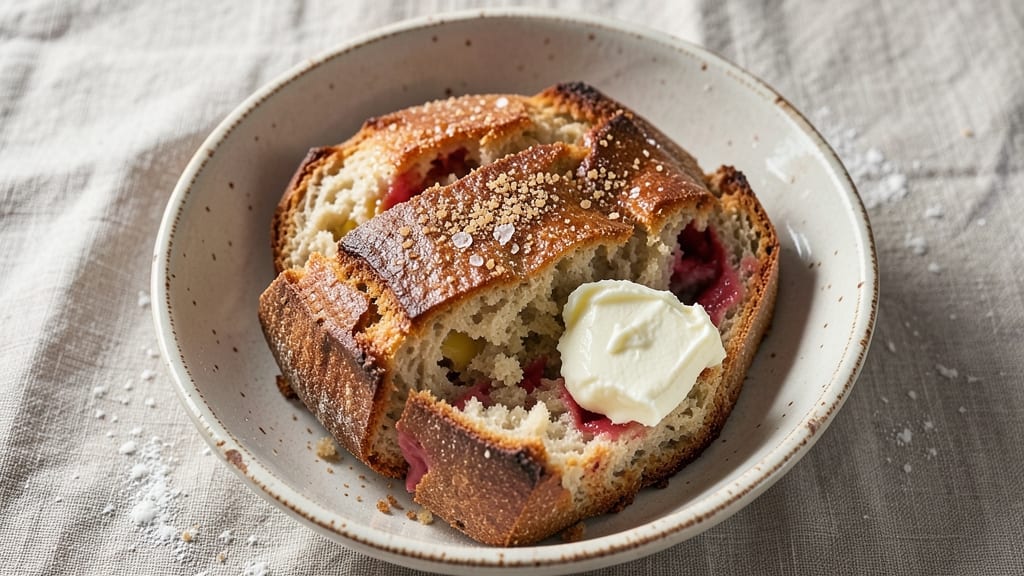
This ATK Irish soda bread recipe delivers the perfect balance of buttermilk tang and rustic crust—no yeast required. The secret lies in the foil-sealed baking method, which creates a crispy exterior while keeping the interior tender and moist.
I've perfected this version over years of baking, ensuring every slice has that signature crumbly texture and subtle sweetness from brown sugar.
The beauty of traditional Irish soda bread is its simplicity—just five core ingredients come together in minutes, yet the flavor develops beautifully as it bakes. The buttermilk adds that signature tang while the baking soda creates lift without yeast.
What makes this recipe special is the foil technique: it traps steam for a soft center while creating that coveted crispy crust.
By the time it emerges from the oven, you'll have a loaf with a golden, crackled exterior and a tender, slightly dense crumb that's perfect for toast or sandwiches.
The aroma alone will transport you to a cozy Irish countryside kitchen. This bread stays fresh for days when stored properly, making it ideal for meal prep.
Ready to bake? The process is straightforward—mix, shape, bake—but the results are anything but ordinary. Whether you're serving it with soup or using it for French toast, this soda bread brings authentic Irish flavor to your table with minimal effort.
Ingredients for atk irish soda bread
Five simple ingredients transform into Ireland's iconic rustic loaf with crispy crust and tender crumb.
| Ingredient | Amount | Notes |
|---|---|---|
| All-Purpose Flour 🌾 | 4 cups | Unbleached preferred for rustic flavor |
| Buttermilk 🥛 | 1 ¼ cups | Full-fat for optimal tang |
| Baking Soda 🍞 | 1 tsp | Freshly opened for best rise |
| Salt 🧂 | 1 tsp | Diamond Crystal preferred |
| Light Brown Sugar 🍯 | ¼ cup | Packed for accurate measurement |
| Unsalted Butter 🧈 | ¼ cup | Cold, cubed for texture |
| Heavy Cream 🥛 | ½ cup | Cold for crisp crust |
| Aluminum Foil 📄 | 1 sheet | Heavy-duty for sealing |
The flour is the foundation—King Arthur or Bob's Red Mill work best for that signature crumbly texture. Buttermilk is non-negotiable for that authentic tang, but full-fat is key—low-fat versions won't give the same richness. For the brown sugar, light or dark doesn't matter, but pack it firmly into the measuring cup. The butter and cream should be cold when mixed to create those coveted steam pockets during baking. I always grab Land O'Lakes unsalted butter from the dairy case—it's consistently reliable for this recipe.
No buttermilk? Mix 1 cup milk with 1 tbsp vinegar or lemon juice, let sit 5 minutes. Substituting milk for buttermilk? Add 1 tsp vinegar to the milk to mimic the tang. For a slightly sweeter loaf, increase brown sugar to 1/3 cup—great for serving with jam. The foil technique is critical: use heavy-duty foil (like Reynolds Wrap) to prevent tearing. If you're short on time, skip the cold butter/cream but chill the dough 30 minutes before baking for better texture.
This bread stays fresh for 3-4 days at room temperature wrapped in a clean kitchen towel—better than plastic for maintaining moisture. For longer storage, freeze slices wrapped individually—they toast perfectly straight from frozen. The foil-sealed method means the crust stays crisp for 24 hours after baking. I like to portion into 4-ounce slices for easy meal prep—just reheat in a toaster or oven for 5 minutes at 350°F to revive the crust.
Why You'll Love This Recipe
- No-Mix Magic: I swear by this—just dump the flour, buttermilk, and baking soda into a bowl, stir once, and you’re done. The buttermilk’s tang cuts through the flour’s heaviness, and the baking soda does all the rising work for you.
- Golden Crust, Soft Core: That caramelized brown sugar crust? It’s the star. Crisp enough to hold your tea, but the inside stays tender—like biting into a hug. Honestly, I’ve tried fancier breads, but this one’s the only one my kids beg for.
- Breakfast to Picnic: Toast it for breakfast, pack slices for lunch, or serve warm with butter at a potluck. The buttermilk’s slight tang pairs with everything—jam, cheese, or just as-is. It’s my go-to for lazy mornings and last-minute gatherings.
- Pantry Staple, Zero Waste: Uses flour, sugar, and buttermilk—things you already have. A loaf lasts a week, and stale slices? Perfect for croutons or French toast. Between us, I’ve fed a dinner party on this and still had leftovers for days.
Step-by-step instructions for ATK Irish soda bread
Master this classic technique for a bread with a crisp foil crust and tender crumb.
Mix the Wet Ingredients
In a large mixing bowl, combine the 1.25 cups buttermilk, 0.25 cup light brown sugar, and 1 tsp salt. Stir until the sugar dissolves completely. This creates a flavor base that balances the tang of the buttermilk. The buttermilk's acidity will activate the baking soda later, giving the bread its signature rise.
Add the 0.25 cup cold unsalted butter and 0.5 cup heavy cream to the buttermilk mixture. Use a whisk to cut the butter into small pieces while mixing—this ensures even distribution of fat, which contributes to the bread's tender texture. The cold butter will create pockets of steam during baking, resulting in that signature open crumb structure.
Combine Dry Ingredients
In a separate bowl, whisk together the 4 cups all-purpose flour and 1 tsp baking soda. Sift the mixture directly into the wet ingredients to prevent lumps from forming. The baking soda is crucial—it reacts with the buttermilk's acidity to create carbon dioxide bubbles, which lift the bread.
Use a wooden spoon or rubber spatula to gently fold the dry ingredients into the wet mixture until just combined. The dough will be sticky and shaggy—this is normal. Overmixing develops gluten and can make the bread dense. Stop mixing as soon as the ingredients come together into a rough dough.
Shape and Seal the Dough
Turn the dough onto a lightly floured surface and gently shape it into a round loaf about 8 inches in diameter. Don't handle the dough too much—this keeps the crumb tender. Place the loaf on a parchment-lined baking sheet and cover it loosely with the 1 sheet aluminum foil, leaving the top exposed.
The foil creates a steam chamber during baking, which produces that characteristic crisp crust while keeping the interior moist. Poke a few small holes in the foil to allow steam to escape—this prevents the bread from becoming soggy. Let the dough rest for 10 minutes before baking to allow the gluten to relax slightly.
Bake with Precision
Preheat your oven to 375°F. Bake the bread for 45-50 minutes until the top is deep golden brown and the internal temperature reaches 200°F. The bread should sound hollow when tapped on the bottom. If the top browns too quickly, tent it with additional foil to prevent over-browning.
Remove the bread from the oven and let it cool on a wire rack for at least 30 minutes before slicing. This resting period allows the crumb to set and prevents a gummy texture. The bread will continue to steam inside, developing its full flavor and texture as it cools.
Serve Warm
Slice the bread with a sharp serrated knife and serve warm. The exterior should be crisp with a slightly charred crust, while the interior remains tender and moist. This bread pairs beautifully with soups, butter, or Irish cheese. Store any leftovers wrapped in foil at room temperature for up to 3 days or freeze for longer storage.
Pro Tips For Making Atk Irish Soda Bread
- STOP OVERMIXING THE DOUGH: Irish soda bread relies on that rustic, dense texture—so once you add the buttermilk to the flour, mix just until the dry bits disappear. I used to overwork it, thinking more folding would help, but that just turns it gummy. Two minutes max with a spoon is all you need.
- CHILL THE DOUGH 10 MINUTES: After shaping, let the loaf sit covered for 10 minutes before baking. I learned this the hard way—skipping it leads to a dense, uneven rise. The cold slows the baking soda’s reaction, giving you time to slash that iconic cross without the bread collapsing.
- USE COLD BUTTERMILK: Straight from the fridge, cold buttermilk keeps the baking soda’s fizz in check until it hits the oven. Warm buttermilk? You’ll get a fast rise and a flat loaf. Yes, even if you’re impatient like me—wait those 5 minutes to pull it from the fridge.
- SLASH DEEP AND FAST: That cross isn’t just for looks—it steers the expansion. Use a sharp knife or razor and cut ½-inch deep, all the way to the pan. Drag it through quickly; hesitation means uneven slashes, and that’s how your bread ends up lopsided. No second chances here.
Best sauces and condiments for this recipe
Classic Irish Butter
Nothing beats the simplicity of Irish Kerrygold butter melted over warm soda bread straight from the oven. The rich, slightly salty flavor enhances the bread's natural tang, creating a perfect balance.
I like to use ½ cup softened Kerrygold per loaf—just slice the bread and spread generously. For an extra touch, sprinkle with flaky sea salt before serving. 🧈
Creamy Honey Spread
Combine ¼ cup Irish honey (like Connemara honey) with 2 tbsp heavy cream and a pinch of cinnamon for a sweet-savory contrast. Warm the mixture gently until smooth, then drizzle over slices of toasted bread.
This pairing highlights the bread's subtle sweetness while adding a luxurious texture. Store leftovers in the fridge for up to 5 days.
Spiced Apple Butter
For a fall favorite, mix ½ cup unsweetened applesauce with 1 tsp cinnamon, ½ tsp nutmeg, and 1 tbsp brown sugar. Simmer for 10 minutes until thickened, then spread on warm bread.
The applesauce adds moisture, while the spices complement the bread's rustic flavor. I love this with sharp cheddar cheese for a hearty snack. 🍎
Smoked Salmon Topping
Layer 4 oz smoked salmon (like Wild Planet brand) with 2 tbsp crème fraîche and a sprinkle of dill on toasted bread. The salmon's smoky depth pairs beautifully with the bread's buttermilk tang.
For extra richness, add a drizzle of lemon-infused olive oil. This combination is perfect for brunch or light lunches.
Caramelized Onion Jam
Slow-cook 1 cup thinly sliced onions with 1 tbsp brown sugar and 1 tbsp apple cider vinegar for 30 minutes until caramelized. Spread this jam on warm bread for a sweet-savory twist.
The onions add depth, while the vinegar cuts through the richness. Store in an airtight container for up to 1 week in the fridge. 🧅
Nutrition facts
Frequently asked questions
Why does this recipe use aluminum foil?
The foil creates a steam chamber that produces that signature crisp crust while keeping the interior moist and tender. Poke a few small holes in the foil to allow steam to escape—this prevents the bread from becoming soggy. The technique is key to authentic Irish soda bread texture.
Can I make this without buttermilk?
Yes! Mix 1 cup milk with 1 tbsp vinegar or lemon juice, let sit for 5 minutes to curdle. For extra tang, add ½ tsp baking soda to the milk mixture before combining with dry ingredients. The acidity is crucial for activating the baking soda and creating lift.
How do I know when it's fully baked?
The bread is done when the top is deep golden brown and sounds hollow when tapped on the bottom. Use an instant-read thermometer to confirm the internal temperature reaches 200°F. If the top browns too quickly, tent with additional foil to prevent over-browning.
Can I add raisins or seeds to this recipe?
For raisins, add ½ cup to the dry ingredients. For seeds, try 2 tbsp poppy or sesame seeds mixed into the flour. Just be aware these variations may slightly alter the texture—keep mixing gentle to maintain the tender crumb. Soak raisins in warm water for 10 minutes first to plump them up.
How should I store leftover soda bread?
Wrap the bread in a clean kitchen towel (better than plastic for moisture retention) and store at room temperature for up to 3-4 days. For longer storage, slice and freeze portions wrapped individually—they toast perfectly straight from frozen. Reheat slices in a toaster or oven at 350°F for 5 minutes to revive the crust.