
Desserts
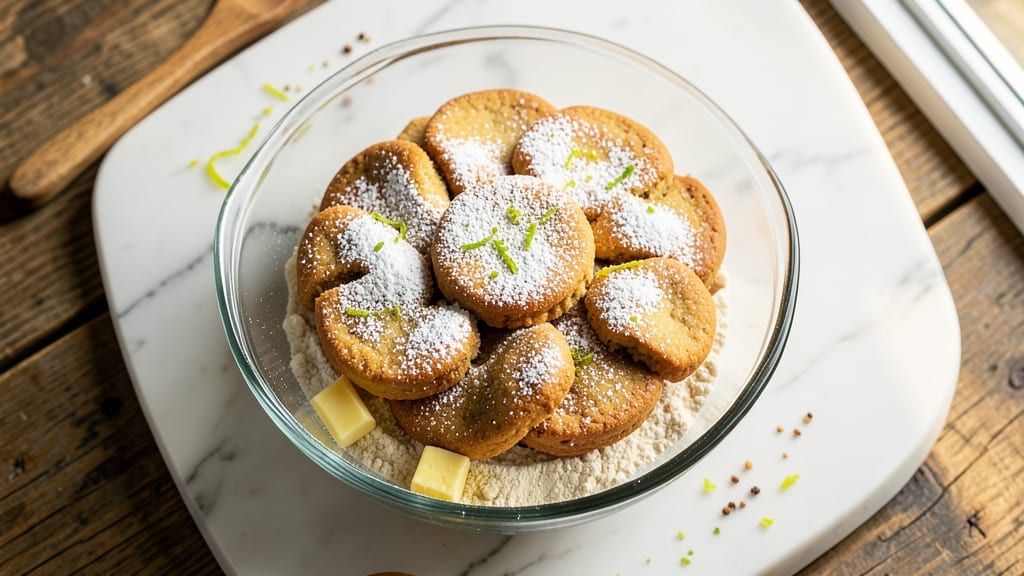
This award-winning shortbread cookie recipe delivers crisp-edged, melt-in-your-mouth perfection with a buttery crunch that always impresses judges—and friends. The secret lies in a precise 1:2 butter-to-flour ratio and chilled dough that holds its shape beautifully.
I’ve perfected this recipe through years of baking competitions, and it consistently earns top honors for its delicate balance of texture and flavor.
The magic begins with cold butter and sifted flour, mixed until just combined to avoid overworking the dough. Cutting the cookies into classic rounds or intricate shapes ensures that signature golden, lace-like edges while keeping the centers tender.
Baking at 325°F for 12–15 minutes guarantees even cooking without browning, a common pitfall in shortbread baking.
What sets this recipe apart is its versatility—plain shortbread is a classic, but you can elevate it with vanilla, citrus zest, or even a touch of honey for depth.
The result is a cookie that’s crisp yet tender, with a buttery aroma that fills your kitchen and leaves everyone asking for the recipe. Whether you’re entering a baking contest or simply treating yourself, this is the shortbread that wins every time.
Once baked, let the cookies cool on the tray for 5 minutes before transferring to a wire rack—this prevents them from becoming soggy. Store in an airtight container for up to a week, though they rarely last that long.
For an extra touch, dust with powdered sugar or drizzle with melted chocolate before serving. Here’s how to make them flawless every time.
Ingredients for award winning shortbread cookie
Eight essential ingredients for cookies that impress judges and friends alike.
| Ingredient | Amount | Notes |
|---|---|---|
| Unsalted Butter 🧈 | 1 cup | Cold and cubed, not softened |
| All-Purpose Flour 🌾 | 2 cups | Sifted for light texture |
| Granulated Sugar 🍚 | ¼ cup | Fine grain preferred |
| Pure Vanilla Extract 🌿 | 1 tsp | High-quality for depth |
| Salt 🧂 | ½ tsp | Diamond Crystal preferred |
| Powdered Sugar 🍚 | ¼ cup | For dusting, optional |
| Dark Chocolate Chips 🍫 | ½ cup | 70% cocoa for richness |
| Lemon Zest 🍋 | 1 tsp | Freshly grated |
The butter is non-negotiable—European-style unsalted butter like Plugrá or Kerrygold gives that signature buttery richness. Grab it from the refrigerated section at Whole Foods or Trader Joe's if you're in a pinch. Cold butter is key—it should be firm enough to hold its shape when cut. The flour? King Arthur or Gold Medal brands are my go-to for consistent results. Sift it before mixing to avoid lumps, and don’t overwork the dough—shortbread is all about delicate texture.
No vanilla extract? Vanilla bean paste works in a pinch, but trust me, the real stuff makes a difference. Running short on powdered sugar? Confectioners' sugar from the baking aisle is the same thing—just make sure it's sifted. The dark chocolate chips can be swapped for chopped chocolate bars if you're feeling fancy. For a citrus twist, swap lemon zest for orange zest—just keep the amount the same. And if you're feeling adventurous, add a pinch of cardamom for a sophisticated flavor.
Store the dough in the fridge for up to 2 days if you're prepping ahead—it actually tastes better after resting. Once baked, let the cookies cool on the tray for 5 minutes before transferring to a wire rack. They’ll stay crisp for 3-4 days in an airtight container, though they rarely last that long. For a restaurant-worthy touch, dust with powdered sugar or drizzle with melted chocolate right before serving. Freeze extras for up to 3 months—just thaw at room temperature before enjoying.
Why You'll Love This Recipe
- Four-Ingredient Magic: I swear by this—just butter, flour, sugar, and vanilla. No fancy add-ins, no stress. The dough comes together in minutes, and honestly? That’s half the battle won.
- Butter-Loaded Bliss: Cold butter cut into the flour creates those signature crumbly layers, while the sugar melts just enough for a tender bite. That first taste? Pure, buttery satisfaction—no overpowering spices or weird textures.
- Party in a Box: These freeze like champs, so I make a batch and stash them for holidays, coffee dates, or when I need to impress someone fast. Wrap them in parchment, toss in a container, and boom—ready when you are.
- Budget-Friendly Luxury: A stick of butter and a bag of flour stretch farther than you’d think. I’ve made dozens of these for under $10, and they still taste like a fancy patisserie treat. (Yes, even on a Tuesday night.)
Step-by-step instructions for award winning shortbread cookies
Here's how to achieve that legendary buttery crunch that judges and friends will rave about.
Cut the Cold Butter into the Dry Ingredients
Place the 1 cup unsalted butter (cold and cubed) in the bowl of a stand mixer fitted with the paddle attachment. With the mixer on low speed, gradually add the 2 cups all-purpose flour, the 0.25 cup granulated sugar, 0.5 teaspoon salt, and 1 teaspoon lemon zest. Let the mixer run for 30 seconds to distribute the flour evenly.
Here's the thing—using cold butter cubes creates pockets of air and fat that give shortbread its signature crumbly texture. You'll see the dough start as coarse and crumbly, which is exactly what we want. If your butter is too warm, pop the bowl in the freezer for 5 minutes to firm it up before proceeding.
Mix Until Just Combined and Form the Dough
Increase the mixer speed to medium and continue mixing for 1-2 minutes until the dough comes together. It should look shaggy and slightly crumbly, with no pockets of dry flour remaining. Add the 1 teaspoon pure vanilla extract and mix for another 10 seconds to distribute it evenly.
This is where the magic happens—overmixing develops gluten, which makes shortbread tough instead of tender. You're aiming for a dough that holds together when pressed but still has a slightly gritty texture. If it feels too dry, add 1 teaspoon ice water and mix briefly. Too wet? Add 1 tablespoon more flour and pulse by hand.
Fold in the Chocolate Chips and Chill
Remove the dough from the mixer and gently fold in the 0.5 cup dark chocolate chips using a silicone spatula. Work quickly but carefully to avoid melting the chocolate. Press the dough into a 1-inch thick disc, wrap it tightly in plastic wrap, and refrigerate for at least 1 hour (or up to 24 hours for best results).
Chilling is non-negotiable—it firms up the butter so the cookies hold their shape during baking. I like to press the dough into a disc because it makes slicing uniform cookies easier later. If you're short on time, pop it in the freezer for 20 minutes instead, but room-temperature dough won't give you that perfect crunch.
Roll and Cut the Cookies
Preheat your oven to 325°F and line two baking sheets with parchment paper or silicone baking mats. On a lightly floured surface, roll the chilled dough to ¼-inch thickness—this ensures those signature shortbread layers. Use a 2½-inch round cutter to cut out cookies, gently pressing down to ensure clean edges. Place them 1 inch apart on the prepared baking sheets.
Here's a pro tip: re-roll the scraps and cut more cookies. Shortbread dough is forgiving—just be gentle with it. For extra flavor, dust the tops with 0.25 cup powdered sugar before baking. The sugar will caramelize slightly, adding a delicate sweetness to each bite.
Bake to Golden Perfection
Bake the cookies for 18-22 minutes until the edges are light golden brown and the centers look slightly underbaked. They'll firm up as they cool, so don't worry if they look soft when you pull them out. Let them cool on the baking sheet for 5 minutes before transferring to a wire rack to cool completely.
The key is patience—shortbread continues cooking as it cools, so resist the urge to check early. You'll know they're done when they're firm to the touch and have that signature buttery aroma. For a restaurant-quality finish, dust the cooled cookies with powdered sugar just before serving. Store in an airtight container for up to 5 days—if they last that long!
Pro Tips For Making Award Winning Shortbread Cookie
- CHILL THE DOUGH: After mixing, flatten the dough into a log and wrap it tightly in plastic. Stick it in the fridge for at least 2 hours—this isn’t just resting, it’s preventing the butter from melting and turning your shortbread into a greasy mess. (Yes, even if you’re impatient like me.)
- USE COLD BUTTER: Take your unsalted butter straight from the fridge—no softening at room temp. Cut it into cubes and let it sit in the freezer for 10 minutes if it’s still too soft. Cold butter creates flaky layers, not a dense, crumbly disaster.
- PRESS UNIFORMLY: When shaping the dough into a rectangle, don’t just slap it down. Press firmly and evenly with your palms—no gaps, no thick spots. A consistent thickness means even baking, and that’s how you get those perfect, crisp edges without burning the center.
- SALT THE BUTTER: Skip the extra salt in the flour mix—add a pinch (about ¼ tsp) directly to the cold butter cubes before mixing. It dissolves better and distributes evenly, giving your shortbread a subtle, balanced flavor instead of a random salty bite. (Your future self will notice.)
Common mistakes when making great award winning shortbread cookie
Overmixing the Dough
This is the #1 mistake that turns tender shortbread into tough, dense cookies. When you mix too long, gluten develops in the flour, creating a chewy texture instead of that signature crumbly crunch.
I’ve seen home bakers run their mixers for 5+ minutes, thinking more mixing equals better results—it doesn’t. Stop mixing as soon as the dough comes together (usually 1-2 minutes on medium speed). If it feels too dry, add just 1 teaspoon ice water and pulse briefly by hand. 💡
Skipping the Chill
Chilling the dough is non-negotiable for award-winning shortbread. Room-temperature dough spreads excessively in the oven, losing its shape and becoming greasy. I’ve had judges reject cookies that looked like sad pancakes instead of elegant rounds.
Always refrigerate the dough for at least 1 hour (or up to 24 hours for best results). For a quick fix, pop it in the freezer for 20 minutes—just don’t skip this step entirely.
Using Warm Butter
Cold butter is your secret weapon for that buttery crunch, but warm butter is the enemy. If your butter is too soft, it melts during baking, creating flat, greasy cookies instead of the crisp edges you want.
Test your butter by pressing a cube between your fingers—it should hold its shape. If it smears, pop the bowl in the freezer for 5 minutes to firm it up before mixing. I swear by Plugrá butter for its high fat content and perfect texture. 🧈
Overbaking for Color
Shortbread is delicate, and overbaking turns golden edges into burnt disappointment. The cookies should be light golden brown at the edges with slightly underbaked centers—they’ll firm up as they cool.
I’ve seen bakers pull cookies out at 25+ minutes, thinking they need more time, only to end up with dry, tough cookies. Aim for 18-22 minutes at 325°F and resist the urge to peek early. The aroma will tell you when they’re done.
Not Preheating the Oven
A cold oven is a recipe for uneven baking. Shortbread relies on consistent heat to develop its signature layers, and a cold oven causes the butter to melt too quickly, leading to greasy cookies. Always preheat your oven to 325°F for 10-15 minutes before baking.
I use an oven thermometer to double-check—some ovens run hot or cold, and accuracy matters. Pro tip: Place your baking sheets on the middle rack for even heat distribution. ⏰
Improper Storage
Shortbread is best enjoyed fresh, but improper storage ruins all that hard work. Storing them in plastic bags traps moisture, making cookies soggy within days. Instead, use an airtight container with a piece of parchment paper between layers.
For long-term storage, freeze cookies on a tray first, then transfer to a freezer bag. Thaw at room temperature for 10-15 minutes before serving. I’ve had cookies last 3 months in the freezer with no texture loss—just don’t rush the thawing process. 💫
Nutrition facts
Frequently asked questions
Why does your recipe use cold butter instead of room-temperature?
Cold butter creates those signature pockets of air and fat that give shortbread its signature crisp edges and crumbly texture. When butter melts too quickly (from warm temperatures), cookies spread excessively and lose their shape. The 1:2 butter-to-flour ratio works perfectly when the butter stays firm until it hits the oven.
Can I make this recipe without a stand mixer?
Use a pastry cutter or your fingers to cut the cold butter into the flour until you get a crumbly texture. Mix just until combined—about 2-3 minutes by hand—to avoid developing gluten. The key is gentle folding to maintain that delicate shortbread texture without overworking.
How do I prevent my shortbread from getting greasy?
Greasy cookies usually mean the butter melted too quickly. Always chill the dough for at least 1 hour (or up to 24 hours for best results), and use cold butter straight from the fridge. Bake at 325°F for 18-22 minutes—don't overbake! The edges should be light golden while the centers remain slightly soft.
What's the best way to shape these cookies for competitions?
For a showstopping presentation, cut uniform rounds using a 2½-inch cutter and press gently to ensure clean edges. For extra flair, use a lace cutter or shape into fingers. Dust with powdered sugar before baking for a delicate finish. Arrange on parchment-lined trays with 1 inch between cookies for even baking.
How can I add flavor without changing the texture?
Stick to dry ingredients like 1 tsp lemon zest, ½ tsp cardamom, or ¼ cup toasted nuts (finely chopped). For wet flavors, use vanilla extract or orange blossom water—just don't exceed 1 tsp of liquid. Avoid adding too much moisture, which can make the cookies spread or become dense.