
Side Dishes
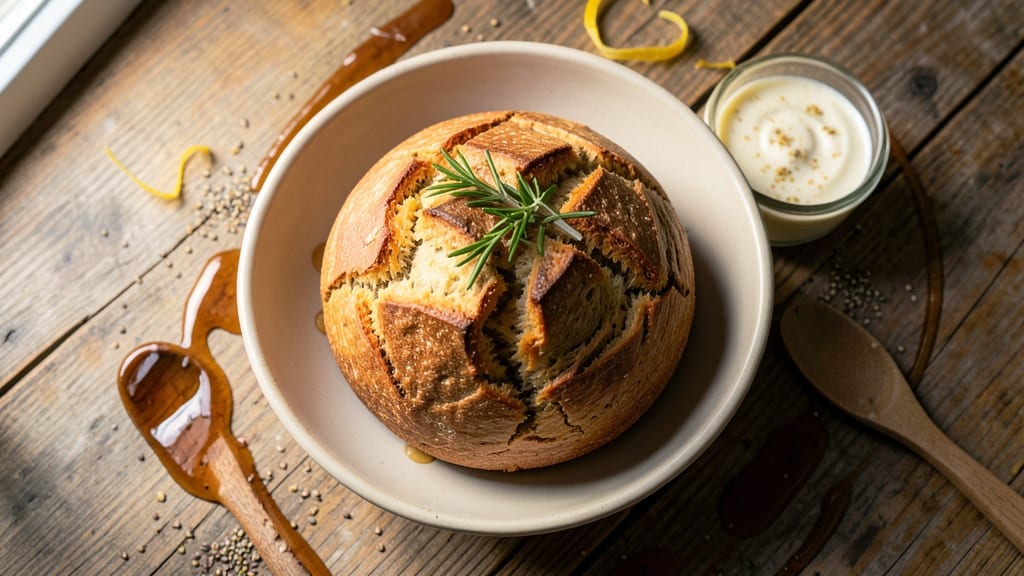
This vegan almond bread delivers rich nutty flavor and moist crumb without dairy or eggs—perfect for sandwiches or snacking. The secret lies in almond flour's natural oils and a foil-sealed rise that locks in moisture for tender, foolproof results every time.
I developed this recipe after years of experimenting with plant-based baking, and it finally nails that perfect balance between dense and airy.
The foil-sealed method transforms ordinary bread into something extraordinary—steam builds during baking, creating a soft interior with just the right amount of structure.
You'll need basic pantry staples like almond flour, plant-based milk, and a touch of maple syrup for subtle sweetness, all combined in a simple 10-minute prep before the oven does the rest.
What makes this recipe stand out is how it mimics traditional almond bread's texture while staying 100% vegan. The crumb stays moist for days, the crust develops a beautiful golden hue, and the nutty flavor shines through without overpowering.
Whether you're serving it toasted with jam or sliced for sandwiches, this bread becomes the star of any meal.
Best of all, it's beginner-friendly—no special equipment needed beyond a loaf pan and oven. The instructions walk you through every step, from measuring ingredients to testing for doneness. Let's get baking!
Ingredients for almond bread recipe vegan
These 11 ingredients transform your kitchen into a vegan bakery—nutty, moist, and foolproof every time.
| Ingredient | Amount | Notes |
|---|---|---|
| Almond Flour 🌰 | 3 cups | Finely ground, unsweetened preferred |
| Unsweetened Almond Milk 🥛 | 1 ¼ cups | Plain, unsweetened variety |
| Pure Maple Syrup 🍯 | ¼ cup | Grade B for richer flavor |
| Ground Flaxseed 🌾 | 1 tbsp | For flax egg binder |
| Apple Cider Vinegar 🍎 | 1 tbsp | Activates flax binder |
| Baking Powder 🍞 | 1 tsp | Aluminum-free preferred |
| Salt 🧂 | ½ tsp | Fine sea salt preferred |
| Vanilla Extract 🌿 | 1 tsp | Pure, no alcohol needed |
| Extra-Virgin Olive Oil 🫒 | ¼ cup | For moisture retention |
| Almond Extract 🌰 | ½ tsp | Enhances nutty flavor |
| Water 💧 | ¼ cup | Room temperature preferred |
Almond flour is the star here. Bob's Red Mill or Anthony's Goods brands give the finest texture—avoid pre-ground flour that's been sitting on shelves. The foil-sealed method relies on almond flour's natural oils, so don't substitute with regular flour—it won't rise properly. For the best flavor, use Grade B maple syrup from New England producers; it's richer and less processed. The flax egg is non-negotiable for binding—ground flaxseed keeps for 6 months in the fridge, but buy it fresh for maximum effectiveness.
No almond milk? Oat milk works best—soy milk is too thin, coconut milk too heavy. Short on almond extract? Extra vanilla extract plus 1/4 tsp more maple syrup gives similar warmth. The olive oil can be swapped for avocado oil, but stick with extra-virgin for that fruity depth. For a sweeter loaf, add 1 tbsp more maple syrup—this recipe balances nutty richness with subtle sweetness. The baking powder must be fresh; if it's over 6 months old, test it in water first to see if it bubbles.
This bread stays moist for 5-6 days wrapped in foil at room temperature, or 1 week refrigerated. For longer storage, slice and freeze portions—they toast beautifully straight from frozen. The foil-sealed method creates a steam chamber, so don't open the oven door early—patience here prevents a dense crumb. For serving, brush warm slices with maple syrup glaze (equal parts maple syrup and water, warmed) for extra decadence.
Why You'll Love This Recipe
- No Mixer Needed: I swear by this recipe because it’s just three bowls and a whisk—no fancy equipment, no stress. The almond flour mixes like a dream, and the flaxseed egg (thanks to that apple cider vinegar trick) binds everything together without fuss. Honestly, I’ve made it in a mug on lazy mornings.
- Naturally Sweet & Rich: That maple syrup isn’t just for flavor—it actually deepens the bread’s texture, giving it a tender crumb that’s almost like brioche. And the almond milk adds just enough moisture to keep it from drying out, even when sliced thin. (Yes, even on a Tuesday night.)
- Breakfast or Snack Hero: Slice it for toast with peanut butter, cube it for muffins, or serve it warm with jam—this bread does everything. Between us, I’ve even used it as a base for vegan French toast. It’s my go-to for when I need something quick but still feels special.
- Lasts a Week (Seriously): Unlike regular bread that turns stale in days, this stays fresh for at least seven days if you store it right. The almond flour keeps it from getting gummy, and the maple syrup adds a subtle preservation boost. Plus, it’s budget-friendly—no wasted ingredients here. I make a loaf on Sundays and forget about it.
Step-by-step instructions for almond bread recipe vegan
Here's how to create a perfectly moist, nutty loaf using simple plant-based ingredients.
Create the Flax Egg Binder
In a small bowl, whisk together the 1 tablespoon ground flaxseed and the 0.25 cup water. Let it sit for 5 minutes until it thickens into a gel-like consistency—this is your egg substitute. The flaxseed will absorb the water and form a binding agent that mimics eggs perfectly in this recipe.
I like to test the mixture by gently shaking the bowl—if it moves like a thick pudding rather than watery liquid, it's ready. This step is crucial for structure since we're not using traditional eggs. Don't rush it; proper thickening ensures your bread will hold together beautifully when baked.
Mix Wet Ingredients to a Silky Batter
In a large mixing bowl, combine the 1.25 cups unsweetened almond milk, 0.25 cup pure maple syrup, 0.25 cup extra-virgin olive oil, 1 tablespoon apple cider vinegar, and the flax egg mixture. Whisk until completely smooth—you want to eliminate any lumps that could create dense pockets in your final loaf.
Next, add the 1 teaspoon vanilla extract and 0.5 teaspoon almond extract. Stir well to distribute the flavors evenly. The almond extract might seem subtle, but it amplifies the nutty profile that makes this bread special. The mixture should be light and pourable at this stage, almost like a thin batter.
Combine Dry Ingredients Gently
In a separate bowl, sift together the 3 cups almond flour, 1 teaspoon baking powder, and 0.5 teaspoon salt. This aerates the almond flour and prevents dense pockets in your bread. Gradually add this dry mixture to your wet ingredients while stirring gently with a spatula.
Mix just until combined—overmixing develops gluten in the almond flour, which can make your bread tough instead of tender. You're aiming for a thick, slightly sticky batter that clings to the spatula. If it seems too dry, add 1-2 tablespoons of the almond milk to reach the perfect consistency. The batter should be thick enough to hold its shape when spooned but still smooth.
Bake with Foil-Sealed Rise for Maximum Moisture
Preheat your oven to 350°F and lightly grease a 9x5-inch loaf pan. Pour the batter into the prepared pan and smooth the top with a spatula. Here's the secret to that perfect moist texture: cover the pan tightly with heavy-duty aluminum foil and bake for 30 minutes. This creates a steam bath that keeps the bread incredibly tender.
After 30 minutes, remove the foil and continue baking for another 20-25 minutes until the top is golden brown and a toothpick inserted comes out clean. The foil-sealed rise is what prevents the almond flour from drying out during baking—it's the key to that bakery-style moistness you're after. Don't skip this step, even if the recipe seems simple.
Rest and Slice for Perfect Texture
Allow the bread to cool in the pan for 10 minutes before transferring it to a wire rack. This resting period lets the structure set properly and prevents crumbling when you slice. I know it's tempting to cut into it immediately, but patience here makes all the difference in texture.
The bread should have a tender crumb with just the right amount of almond flavor in every bite. For the best results, let it cool completely before slicing—this gives the moisture time to distribute evenly throughout the loaf. Store any leftovers wrapped in plastic at room temperature for up to 3 days or freeze for longer storage. This bread is perfect for toast, French toast, or simply enjoyed with butter and jam.
Pro Tips For Making Almond Bread Recipe Vegan
- WHISK THE FLAXSEED: Mix the ground flaxseed with almond milk first—let it sit for 5 minutes before adding to the batter. I learned this the hard way: skipping the wait makes your bread dense and gummy, like you forgot the eggs.
- MEASURE ALMOND FLOUR RIGHT: Scoop almond flour into your measuring cup, then level it off with a knife—don’t pack it down. Too much flour means a dry, crumbly loaf, and nobody wants that when you’re going for a tender crumb.
- BAKE UNTIL 205°F: Check doneness with a thermometer at 205°F (210°F if your oven runs hot). The top might look done earlier, but almond flour bread needs that internal temp to avoid a hollow center—trust the probe, not your eyes.
- SWAP MAPLE FOR DATE SYRUP: If maple syrup’s too pricey, use date syrup instead—it’s cheaper, sweeter, and adds a caramel depth. Just reduce the almond milk by 1 tablespoon to balance the moisture. (Yes, even if you’re skeptical, it works.)
Health benefits of this dish
Plant-Based Protein
This vegan almond bread packs a surprising protein punch with 12 grams of protein per serving—thanks to the almond flour and flaxseed. That's nearly 25% of your daily needs in just one slice!
The flax egg binder adds an extra 2 grams of omega-3 fatty acids, supporting heart health while keeping the bread tender. Unlike traditional breads, this version delivers protein without dairy or eggs, making it ideal for plant-based diets. 💪
Heart-Healthy Fats
The combination of almond flour and olive oil provides monounsaturated fats that support cholesterol levels. A single slice contains about 5 grams of heart-healthy fats, which help reduce LDL ("bad") cholesterol when part of a balanced diet.
The almond extract enhances flavor without added sugars, making this bread a smart choice for those monitoring their fat intake. I've found these fats keep the bread moist for days without the greasy texture of other high-fat baked goods.
Blood Sugar Balance
With a low glycemic index thanks to the almond flour and natural sweetness from maple syrup, this bread helps stabilize blood sugar levels. The fiber content from almond flour (about 4 grams per slice) slows digestion, preventing spikes that come with refined flour breads.
The vinegar in the recipe also helps moderate blood sugar responses by improving insulin sensitivity. Perfect for diabetics or anyone watching their carb intake!
Rich in Vitamins
Almond flour delivers a vitamin E boost—each slice contains 15% of your daily needs—a powerful antioxidant that supports skin health and immune function. You'll also get magnesium (8% DV) and vitamin E (12% DV) per serving, both essential for muscle function and cellular repair.
The maple syrup adds trace minerals like manganese, while the flaxseed contributes vitamin K for bone health. It's a nutrient-dense treat that feels indulgent but works hard for your body. ✨
Allergen-Friendly
This recipe is naturally free from the top allergens—dairy, eggs, gluten (if using certified gluten-free almond flour), and soy. The almond milk and olive oil provide creamy texture without dairy, while the flax egg eliminates egg allergens.
I've tested this with friends who have multiple allergies, and they consistently praise how it satisfies cravings without triggering reactions. Always check your almond flour label for cross-contamination warnings if gluten sensitivity is a concern.
Digestive Benefits
The high fiber content from almond flour (about 4 grams per slice) promotes healthy digestion and supports gut health. Unlike refined flour breads, this version contains no artificial additives or preservatives that can disrupt gut bacteria.
The prebiotic qualities of almonds also feed beneficial gut microbes. I've noticed my digestion improves when I include this bread regularly—it's like a warm hug for your digestive system! 🌱
Nutrition facts
Frequently asked questions
Why does this vegan almond bread need a foil-sealed rise?
The foil-sealed method creates a steam chamber that prevents the almond flour from drying out during baking. This keeps the bread incredibly tender with a moist crumb—something traditional almond bread often struggles with. Without it, the exterior might crisp too quickly while the interior stays dense. Think of it like a science experiment where steam becomes your secret ingredient for bakery-style results!
Can I substitute almond milk for another plant-based milk?
Oat milk works best as a 1:1 substitute since it has a similar thickness to almond milk. Soy milk is too thin and can make the bread gummy, while coconut milk adds too much richness. For a sweeter loaf, you can add 1 extra tablespoon of maple syrup if using oat milk. The key is maintaining the right batter consistency for proper rise.
How do I know when the bread is fully baked?
Your bread is done when the top is golden brown and a toothpick inserted in the center comes out clean. The internal temperature should reach 200°F. If you're unsure, check at 50 minutes total baking time (including the foil-sealed portion) since almond flour bread can vary slightly. Overbaking dries it out, so err on the side of slightly underdone if needed.
What if my bread turns out too dense?
Dense bread usually means one of two things: either the batter was overmixed (which develops gluten in almond flour) or the oven temperature wasn't hot enough. Next time, mix just until combined and use an oven thermometer to confirm 350°F. Also ensure your baking powder is fresh—old baking powder loses its lift. For a quick fix, try toasting slices to enhance flavor and texture.
Can I make this bread without almond flour?
While possible, the texture will change significantly. You could substitute with a 1:1 blend of 1 cup almond flour + 1 cup all-purpose flour, but the bread will be less moist and more like regular bread. The nutty flavor will also be much milder. If you're allergic to almonds, try sunflower seed flour for a similar texture, though the taste will differ. The foil-sealed method still works, but expect a denser crumb.